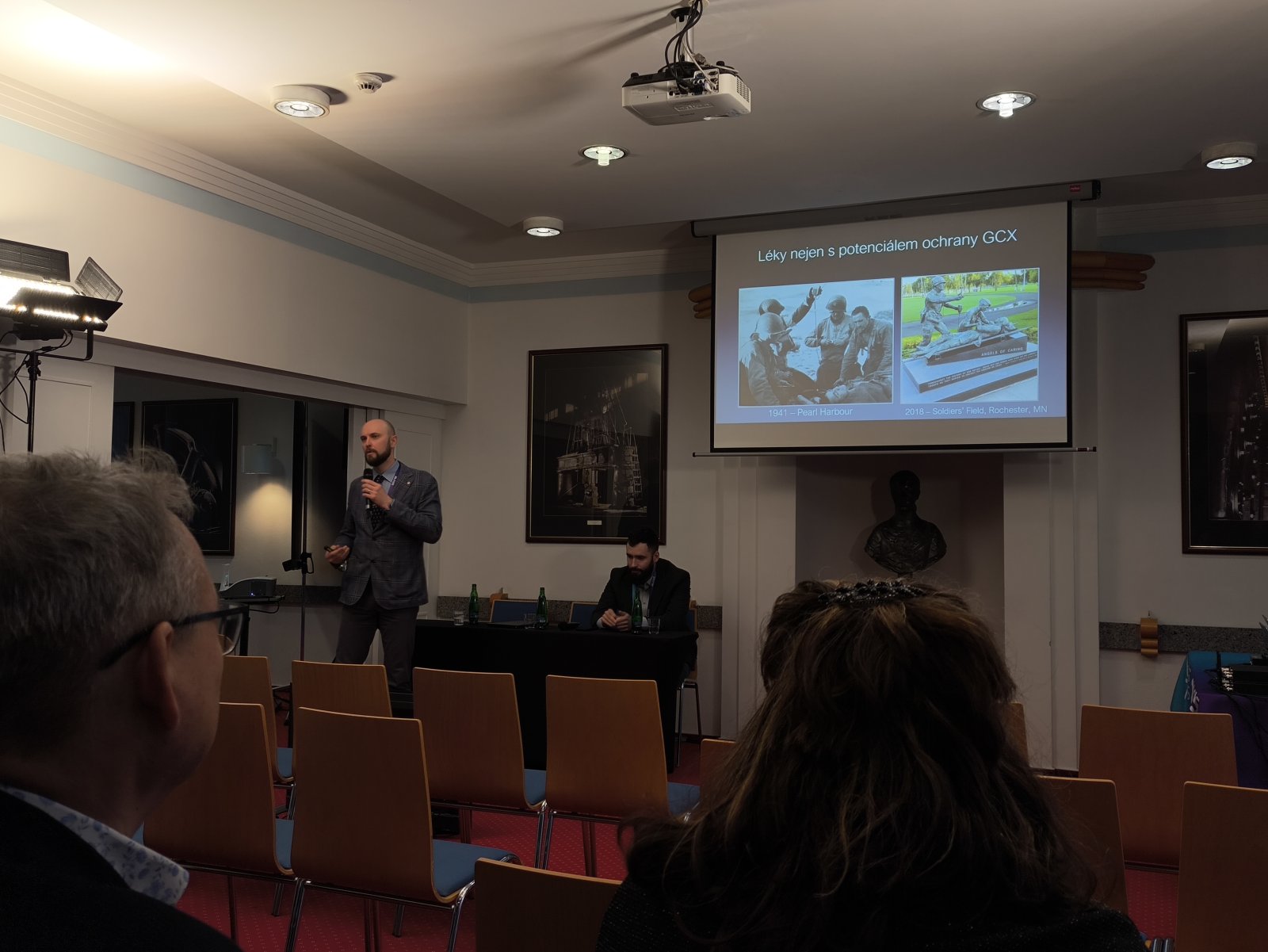
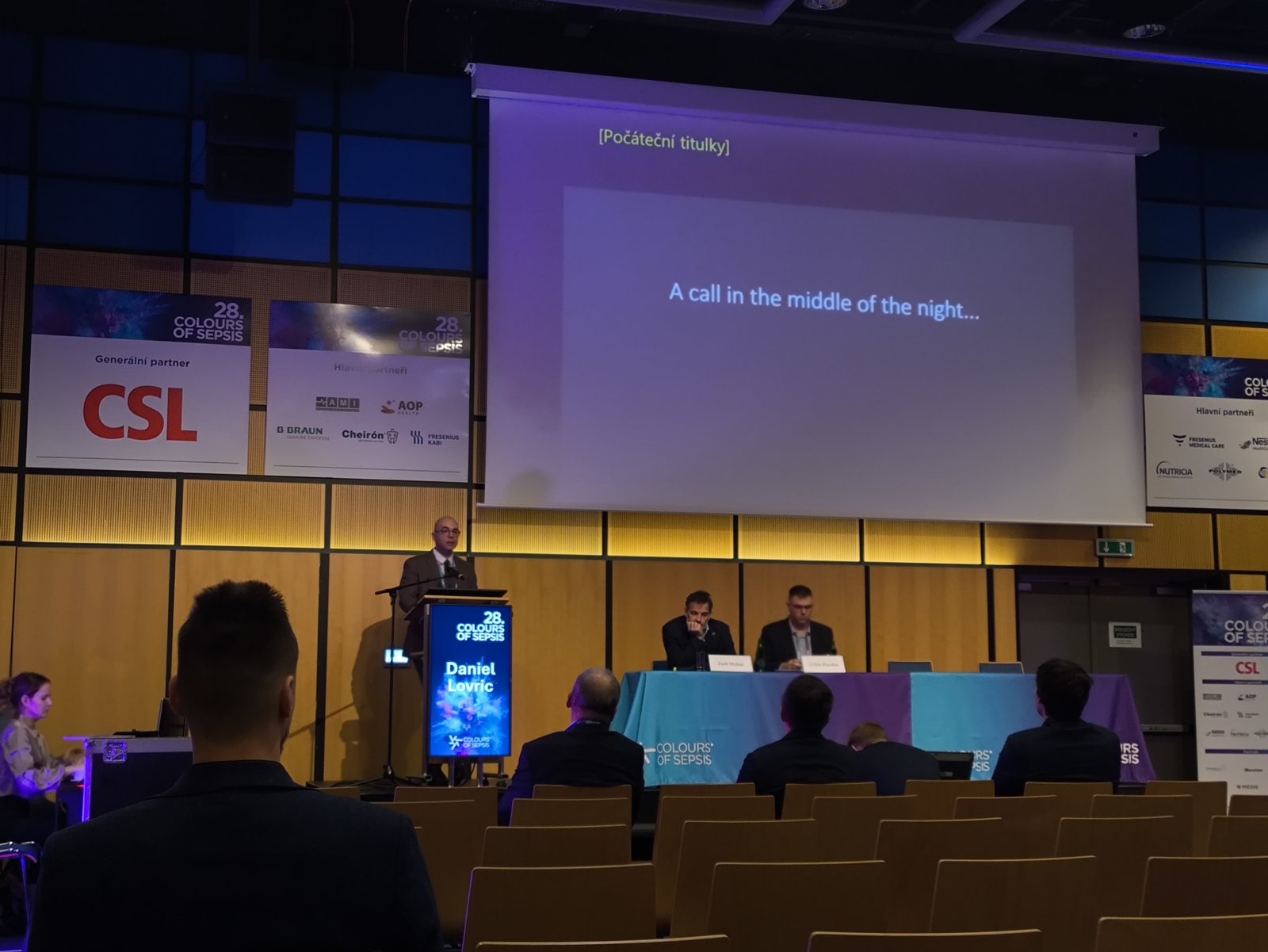
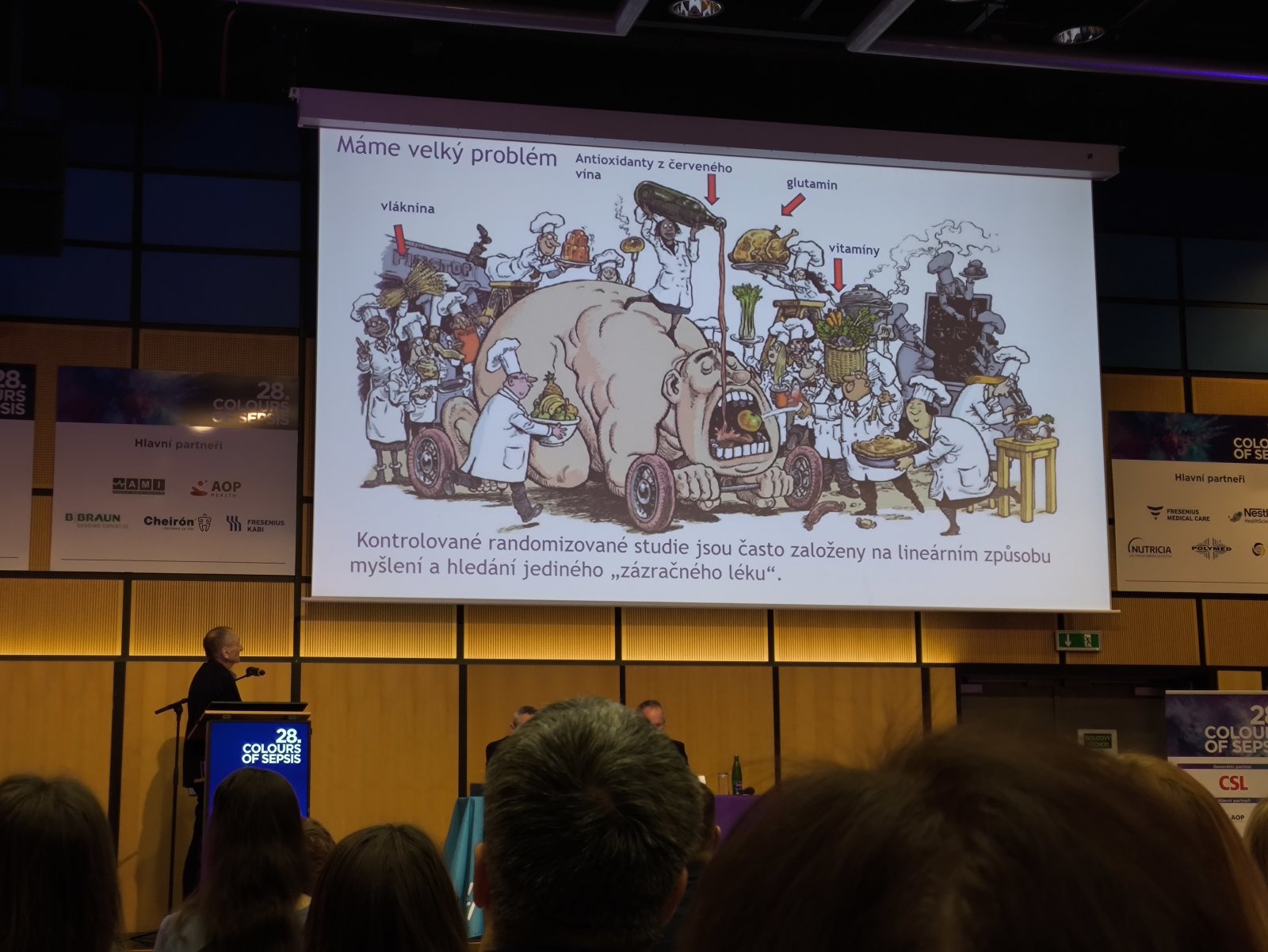
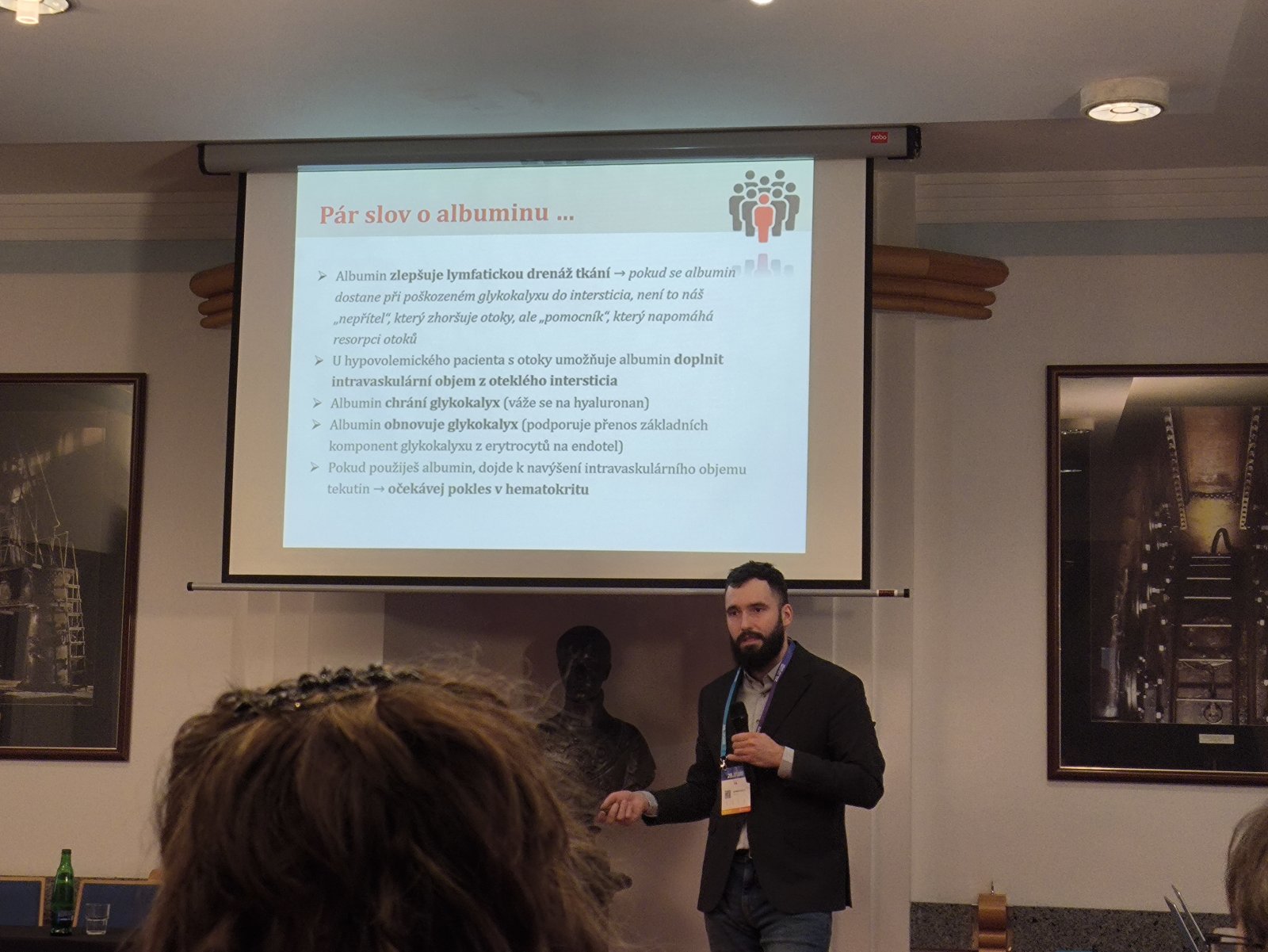
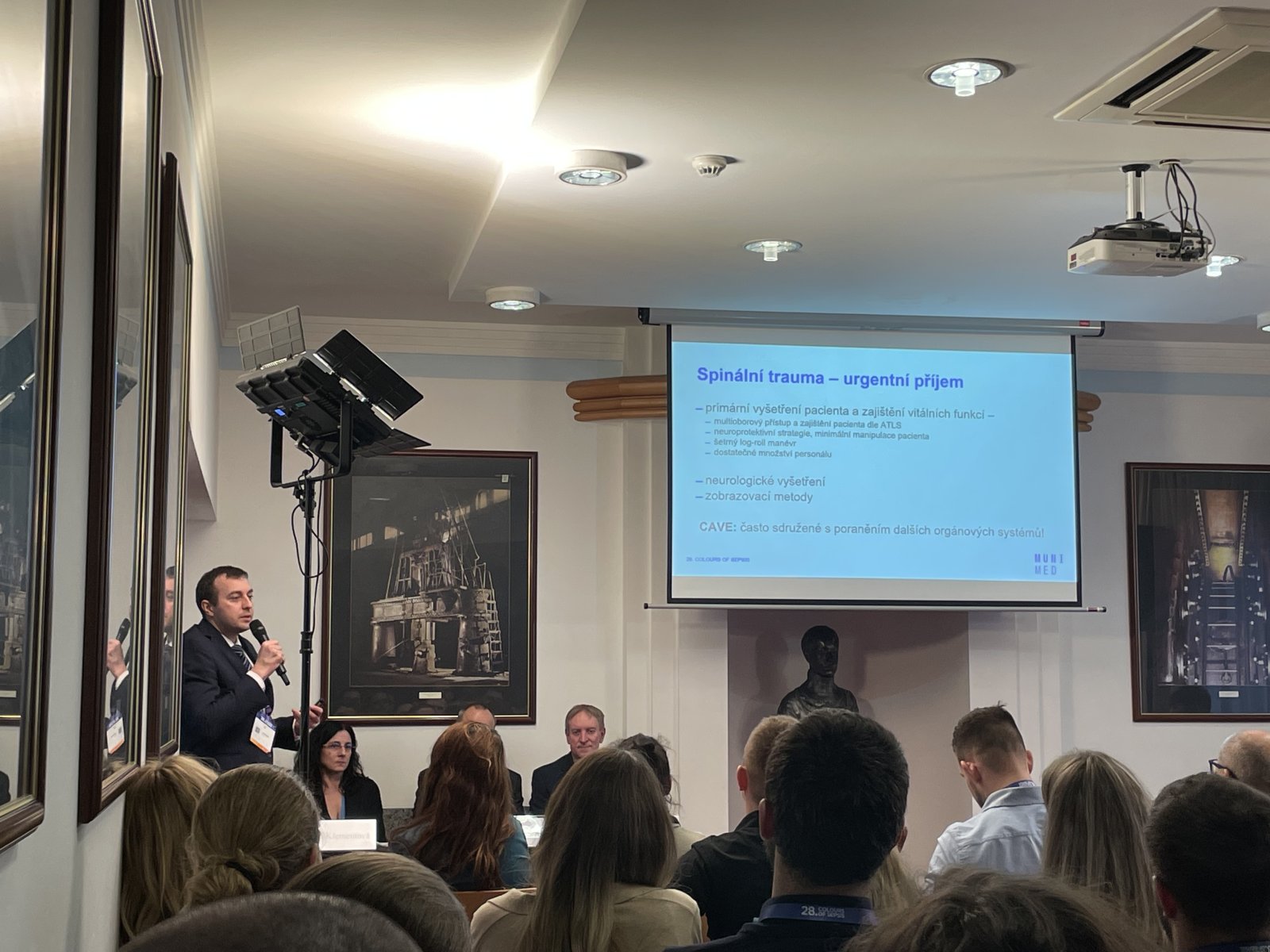
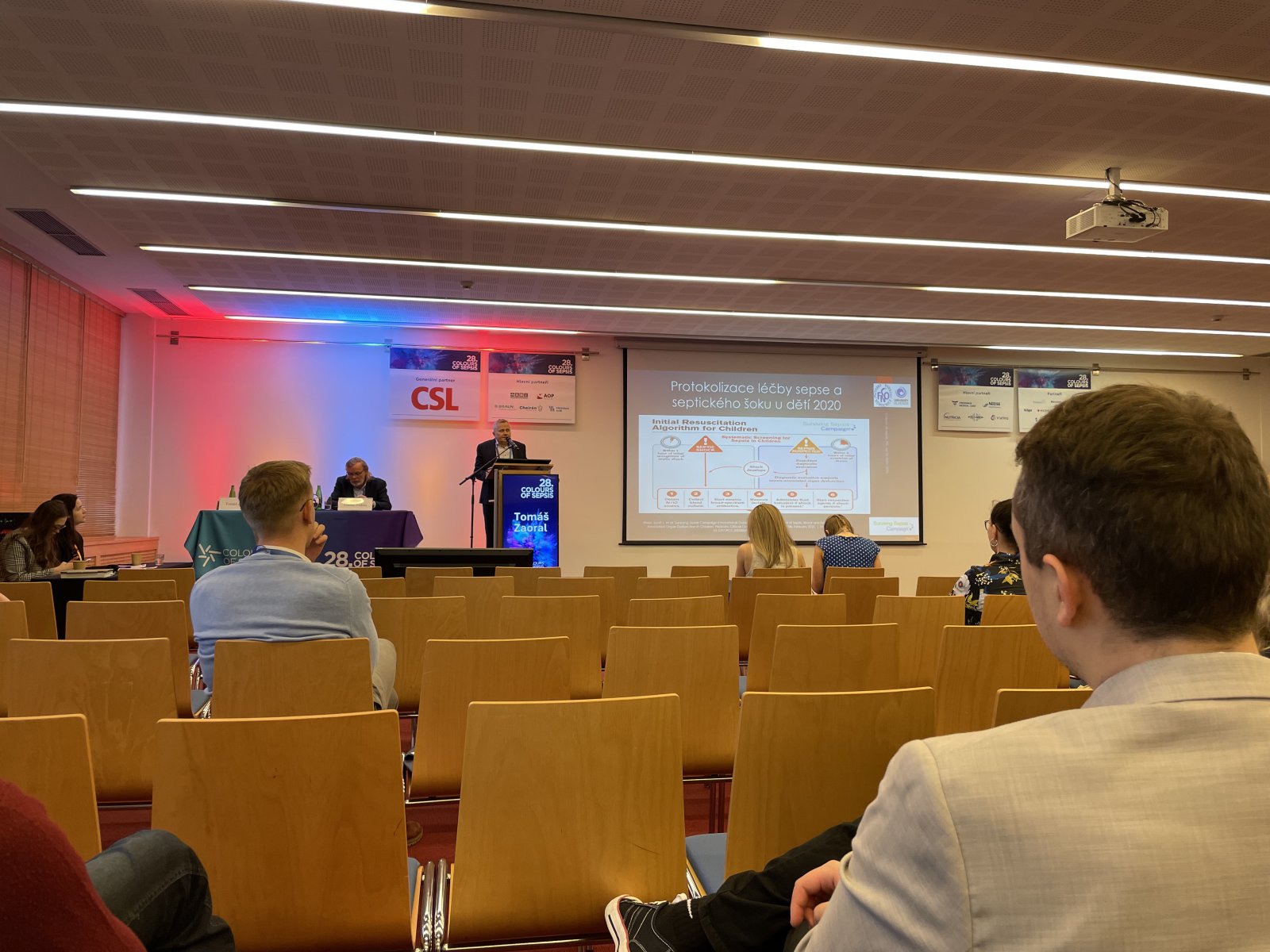
A significant portion of the programme focused on septic and combined shock. Case-based presentations highlighted the need to recognize mixed shock states, for example, the coexistence of septic and cardiogenic components, and stressed the value of advanced hemodynamic monitoring and bedside echocardiography in guiding individualized therapy. Several lectures revisited the pathophysiology of sepsis, including endocrine dysregulation and its potential therapeutic implications. Speakers also discussed practical aspects of vasopressor escalation, the interpretation of lactate and central venous oxygen saturation, and the limitations of relying solely on parameters such as serum creatinine when diagnosing acute kidney injury in critically ill patients.
Antibiotic stewardship and antimicrobial resistance were recurring themes throughout the congress. Experts addressed the management of severe infections caused by multidrug-resistant pathogens, including carbapenem-resistant Enterobacterales and Pseudomonas aeruginosa. Emphasis was placed on early, appropriate empirical therapy in septic shock, followed by timely de-escalation based on microbiological results. The role of rapid diagnostic methods was discussed as a valuable aid in optimizing treatment while avoiding unnecessary broad-spectrum antibiotic use.
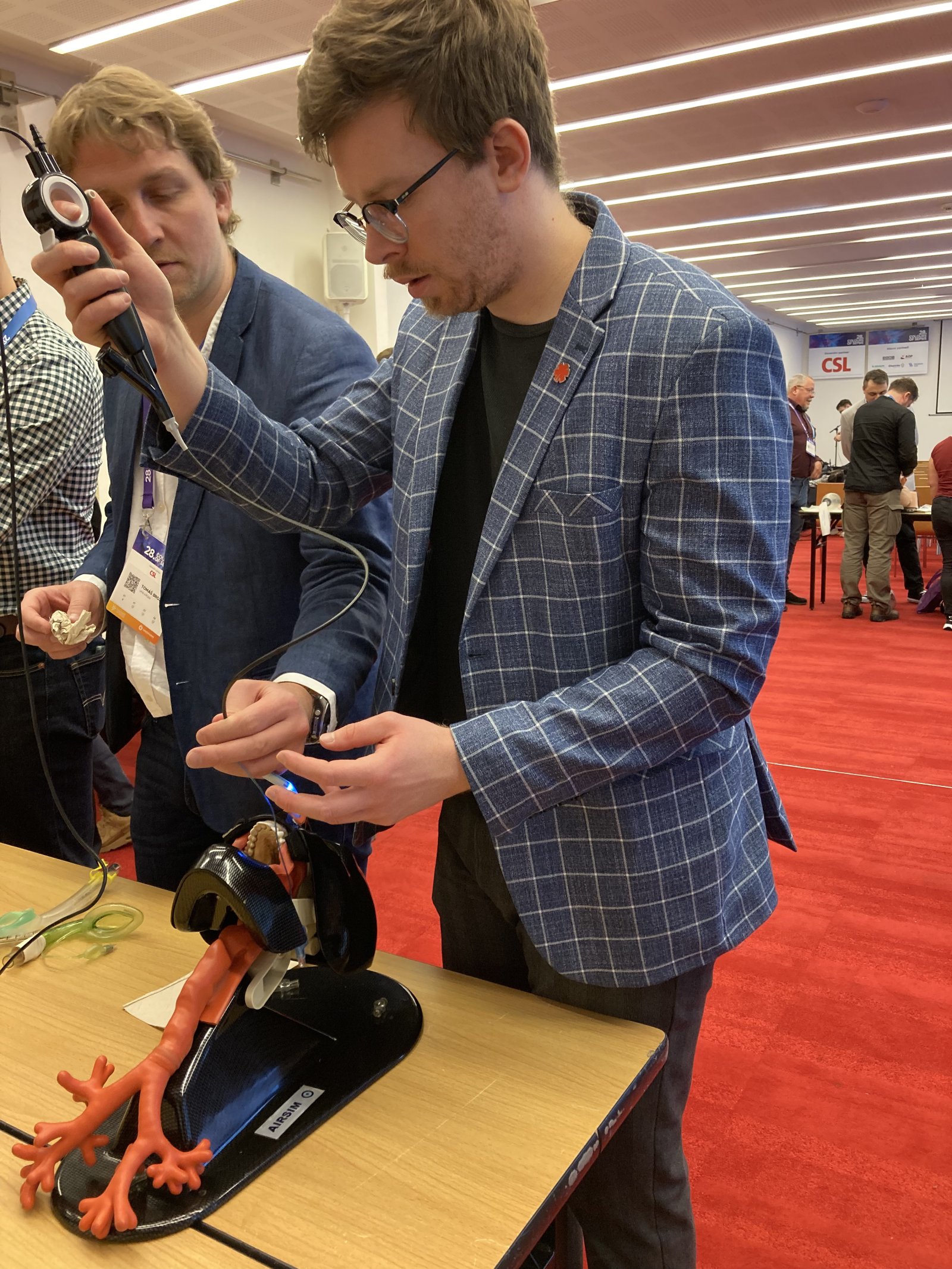
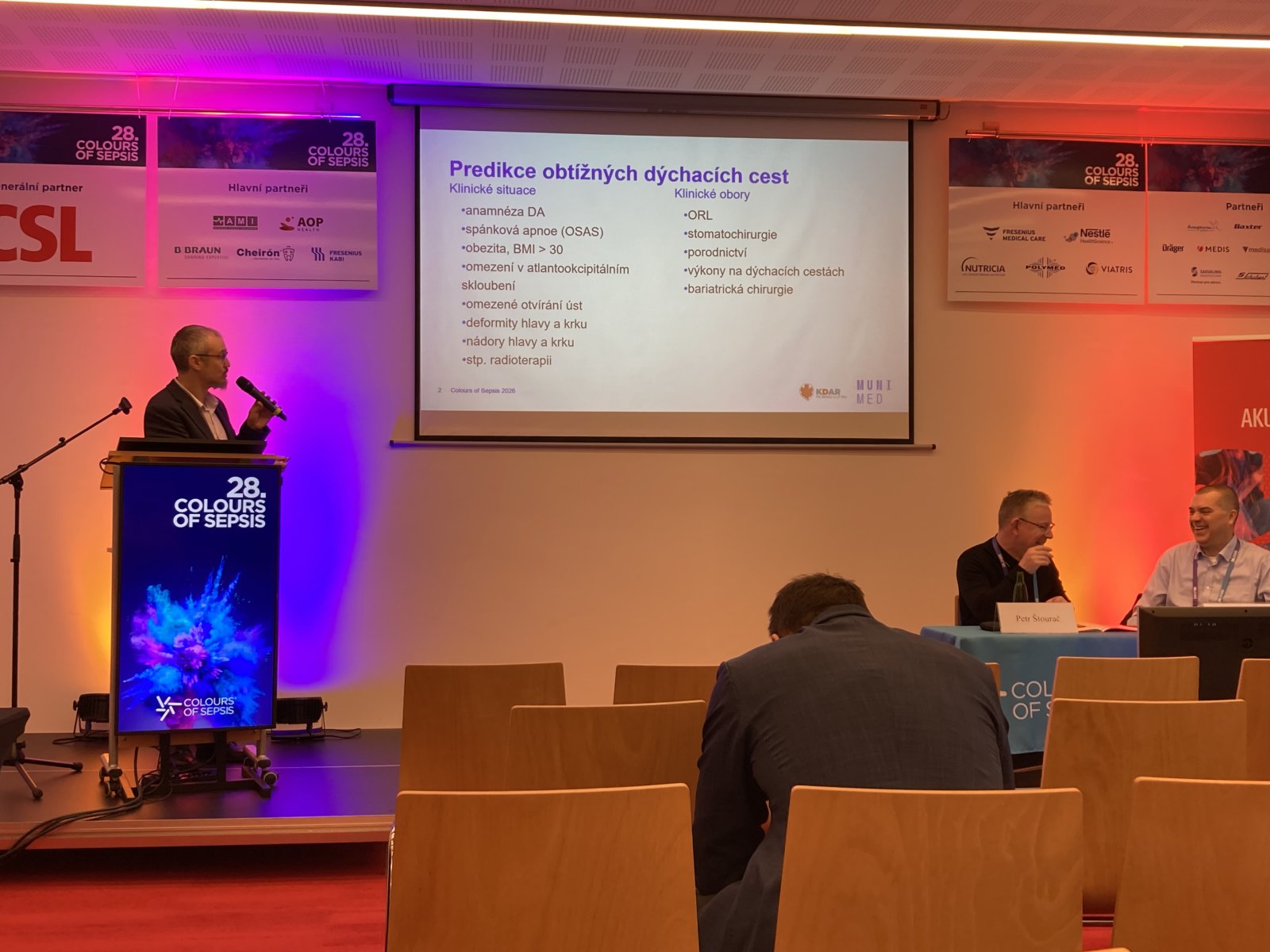
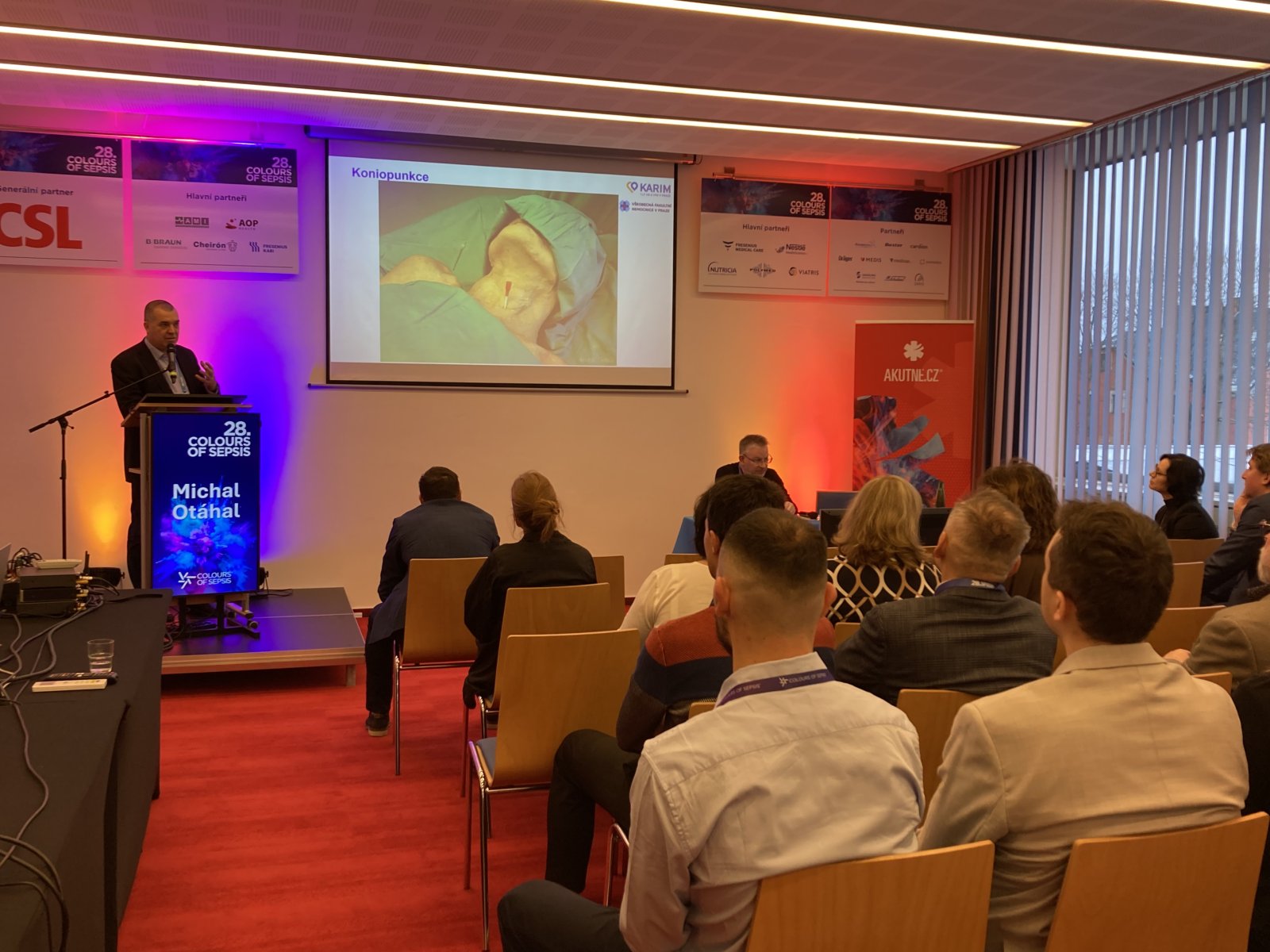
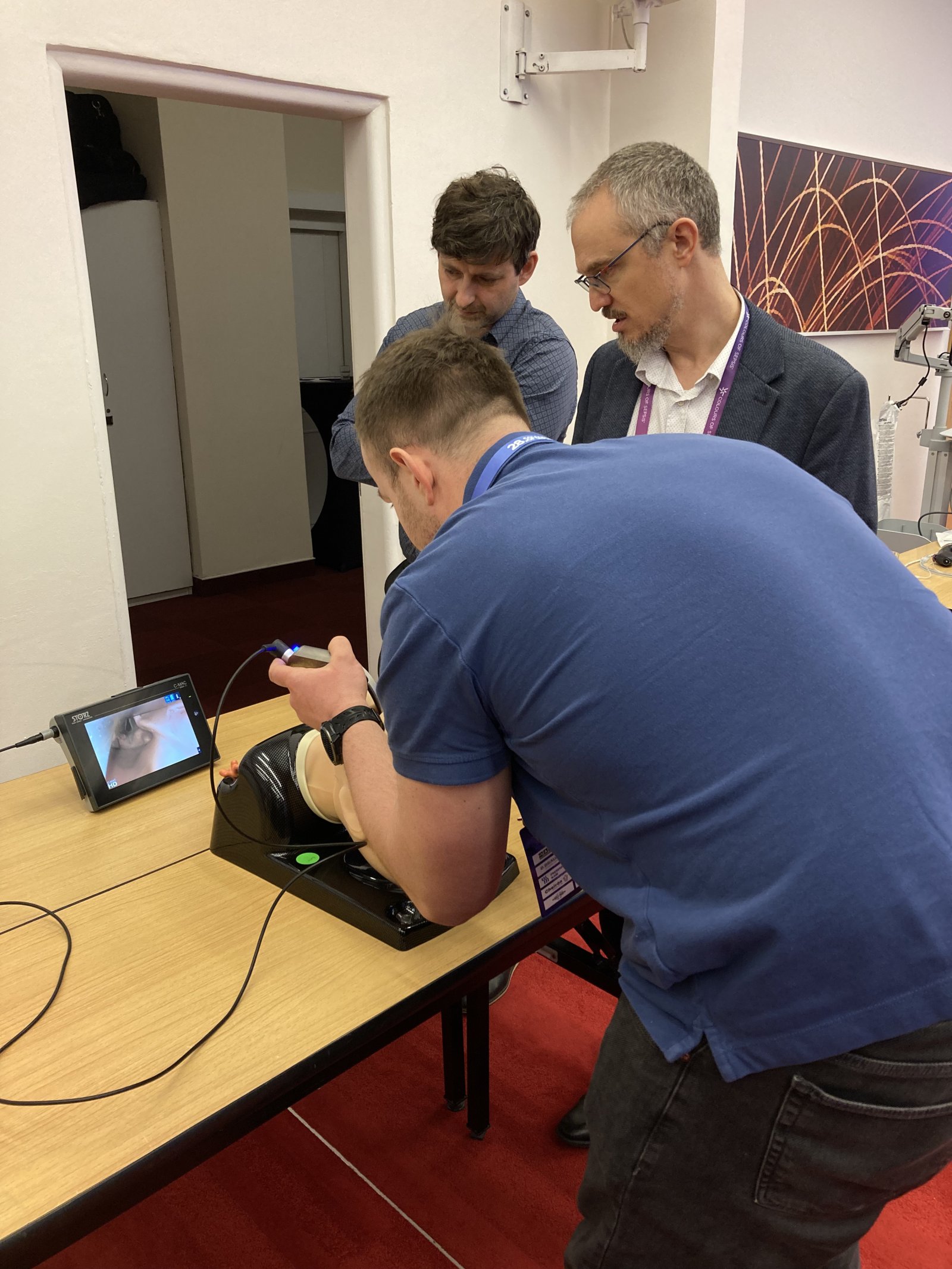
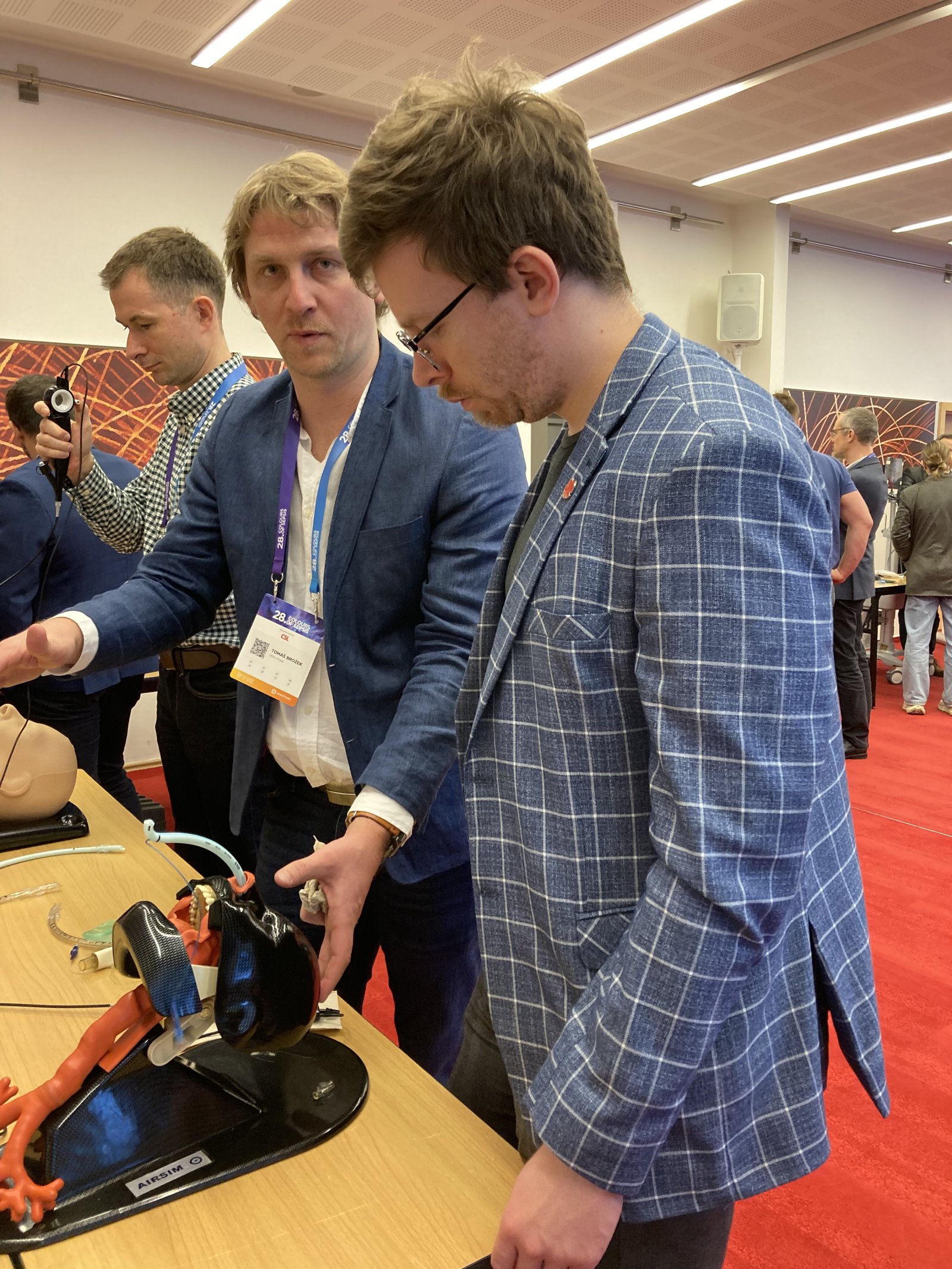
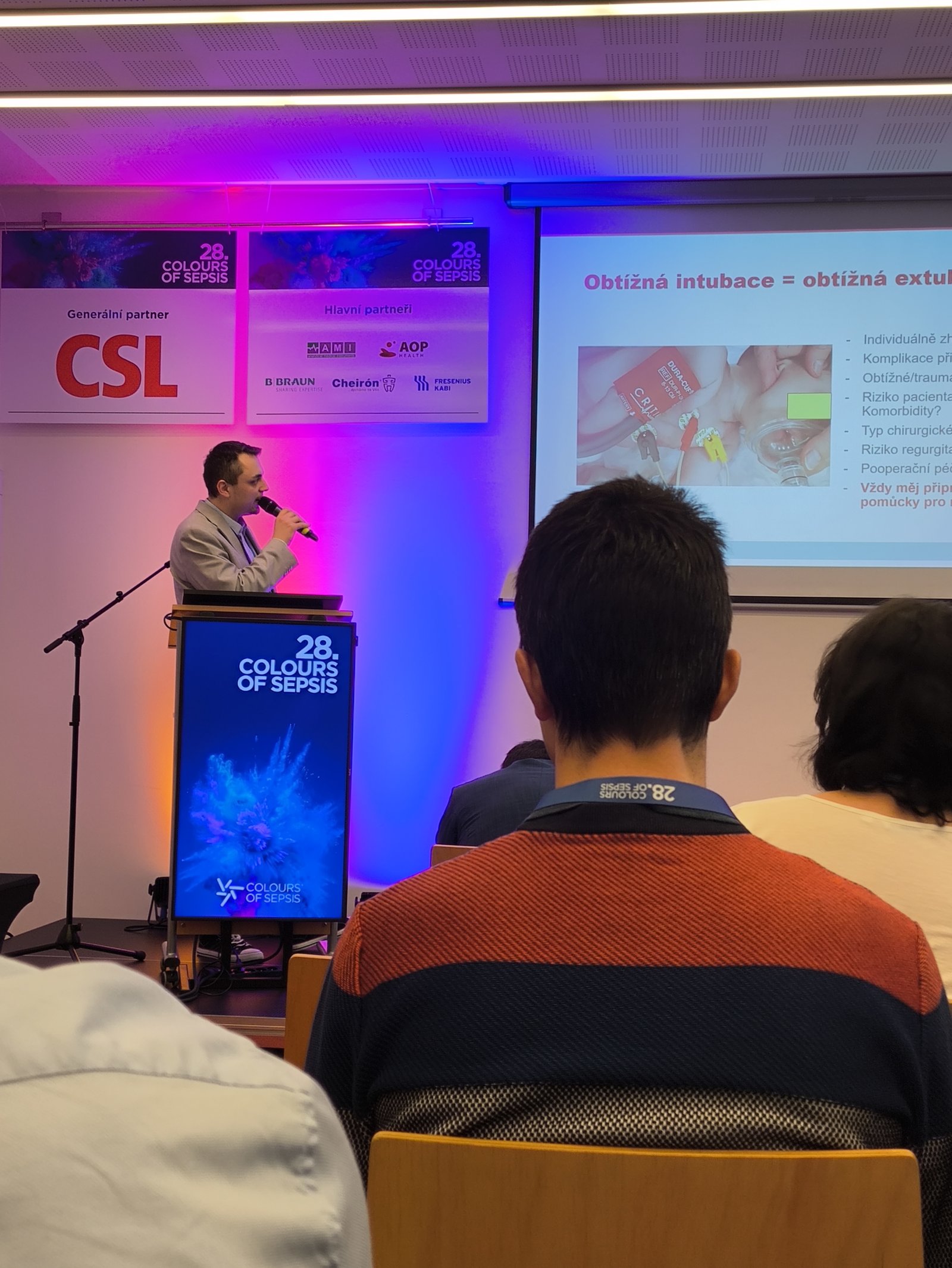
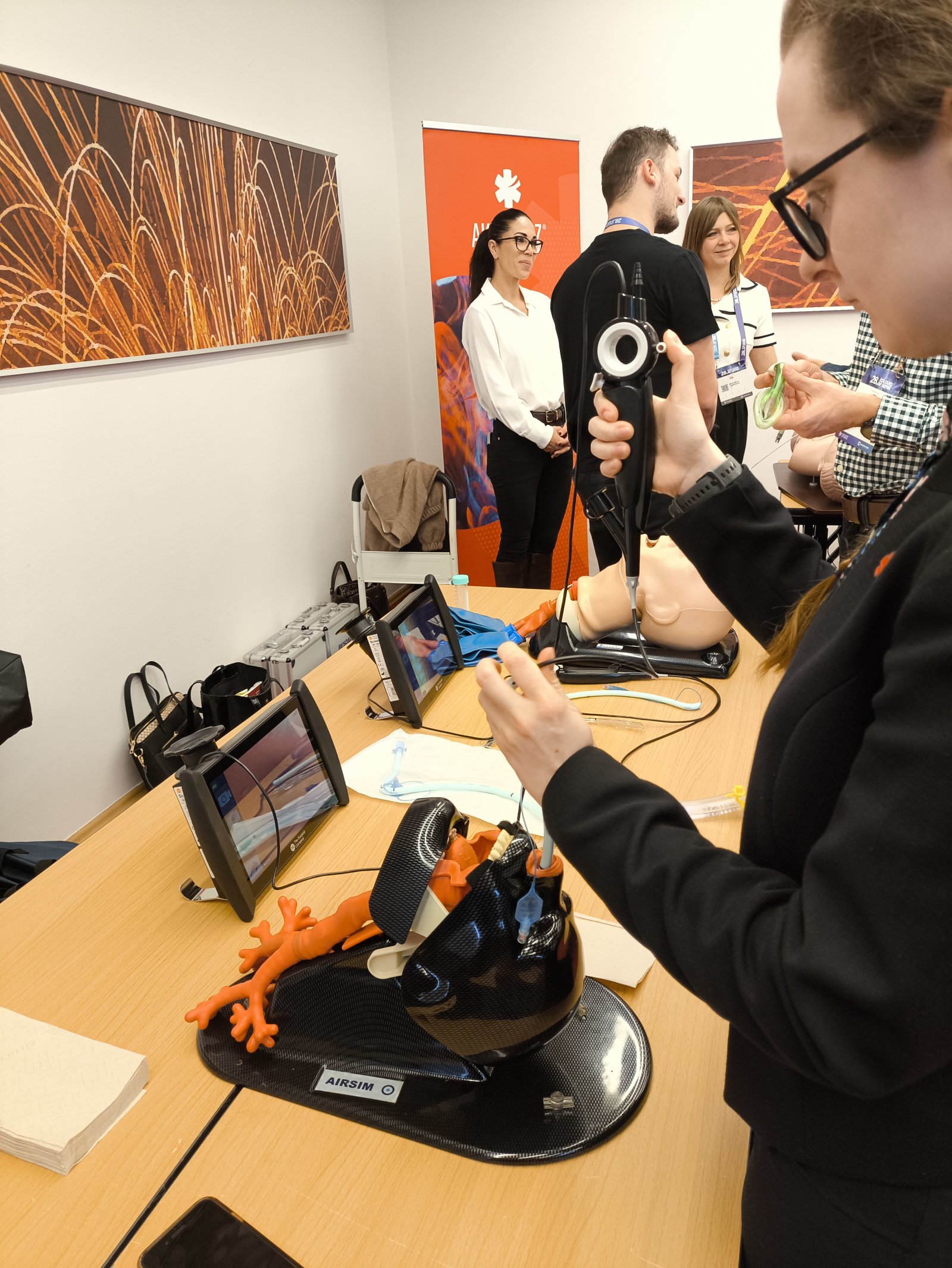
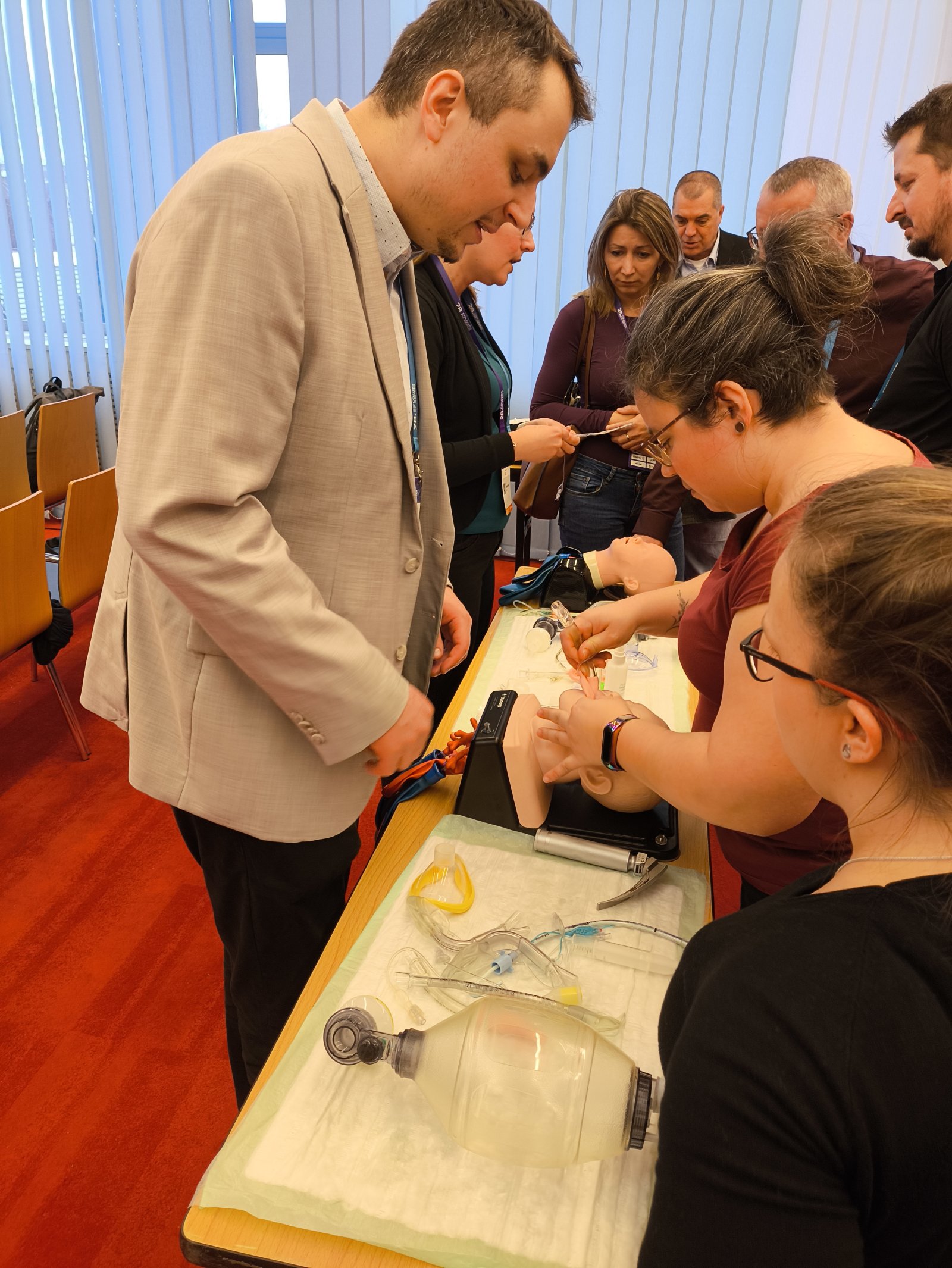
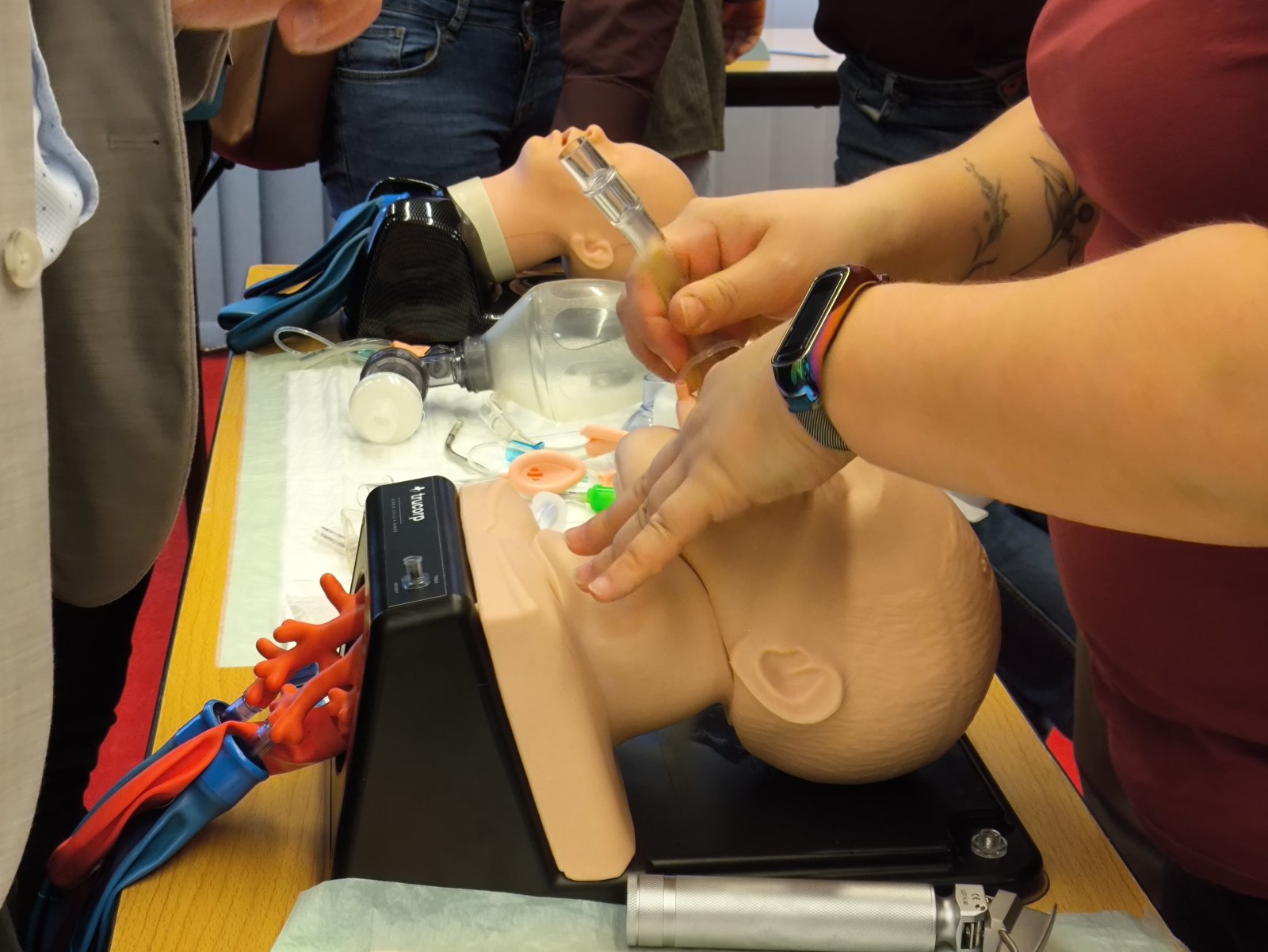
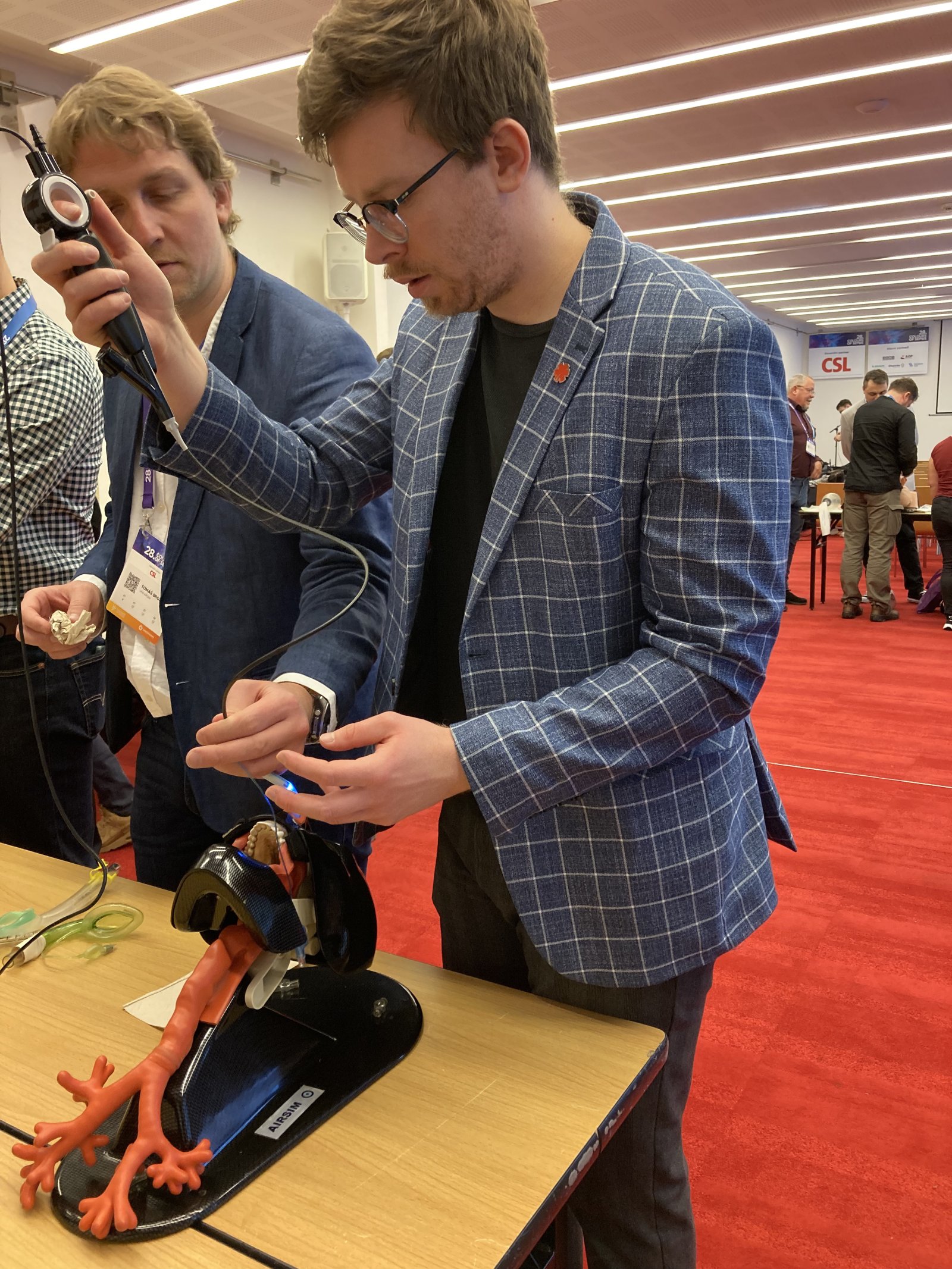
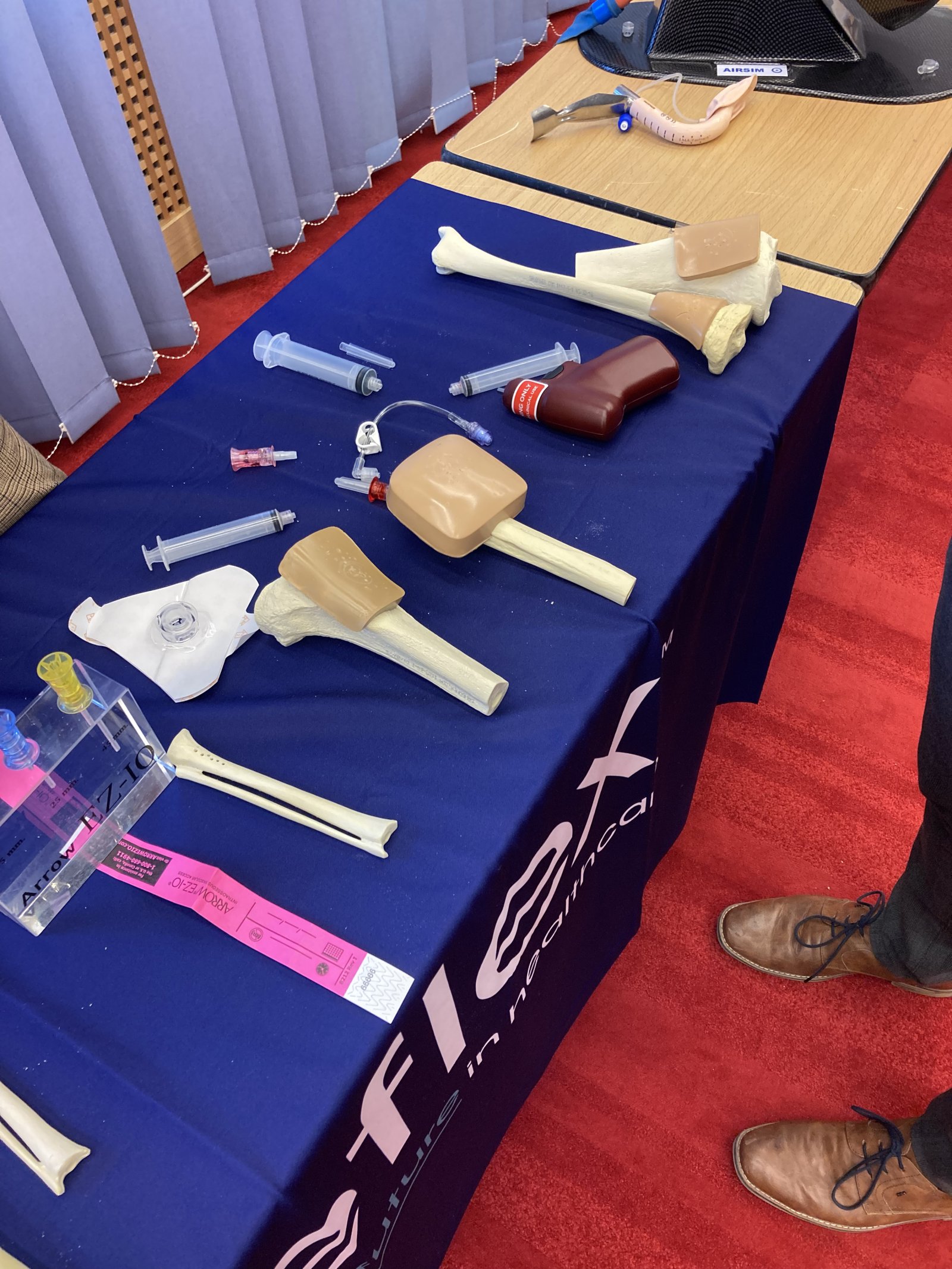
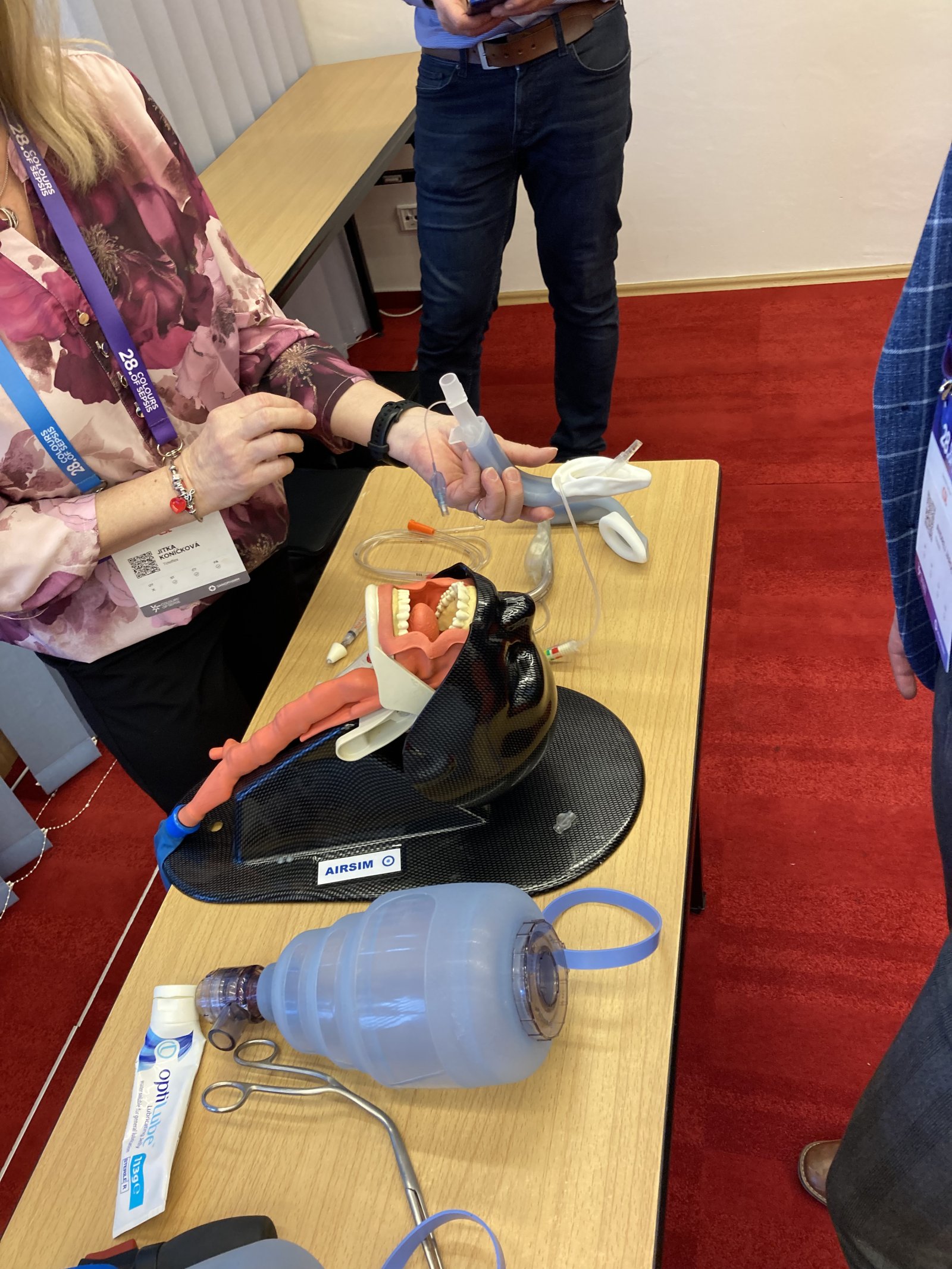
Respiratory support and lung protection also featured prominently. Updates on ARDS management included individualized PEEP strategies, prone positioning, and ongoing debates regarding adjunctive pharmacological therapies. Sessions on mechanical ventilation and weaning highlighted the risks associated with deep or prolonged sedation, as well as the importance of early mobilization and careful assessment of readiness for extubation. In addition to lectures, participants could attend practical workshops focused on airway management, intraosseous access, and simulation-based training, allowing them to translate theoretical knowledge into hands-on experience under expert supervision.
The team from AKUTNĚ.CZ once again contributed with its traditional interactive workshop titled “How to Simply Not Have a Difficult Day.” The session combined concise theoretical updates with hands-on training in airway management in both adult and pediatric patients, as well as intraosseous vascular access. Under the guidance of experienced instructors, participants practised key procedures on mannequins, reinforcing practical skills directly transferable to everyday emergency and intensive care practice.
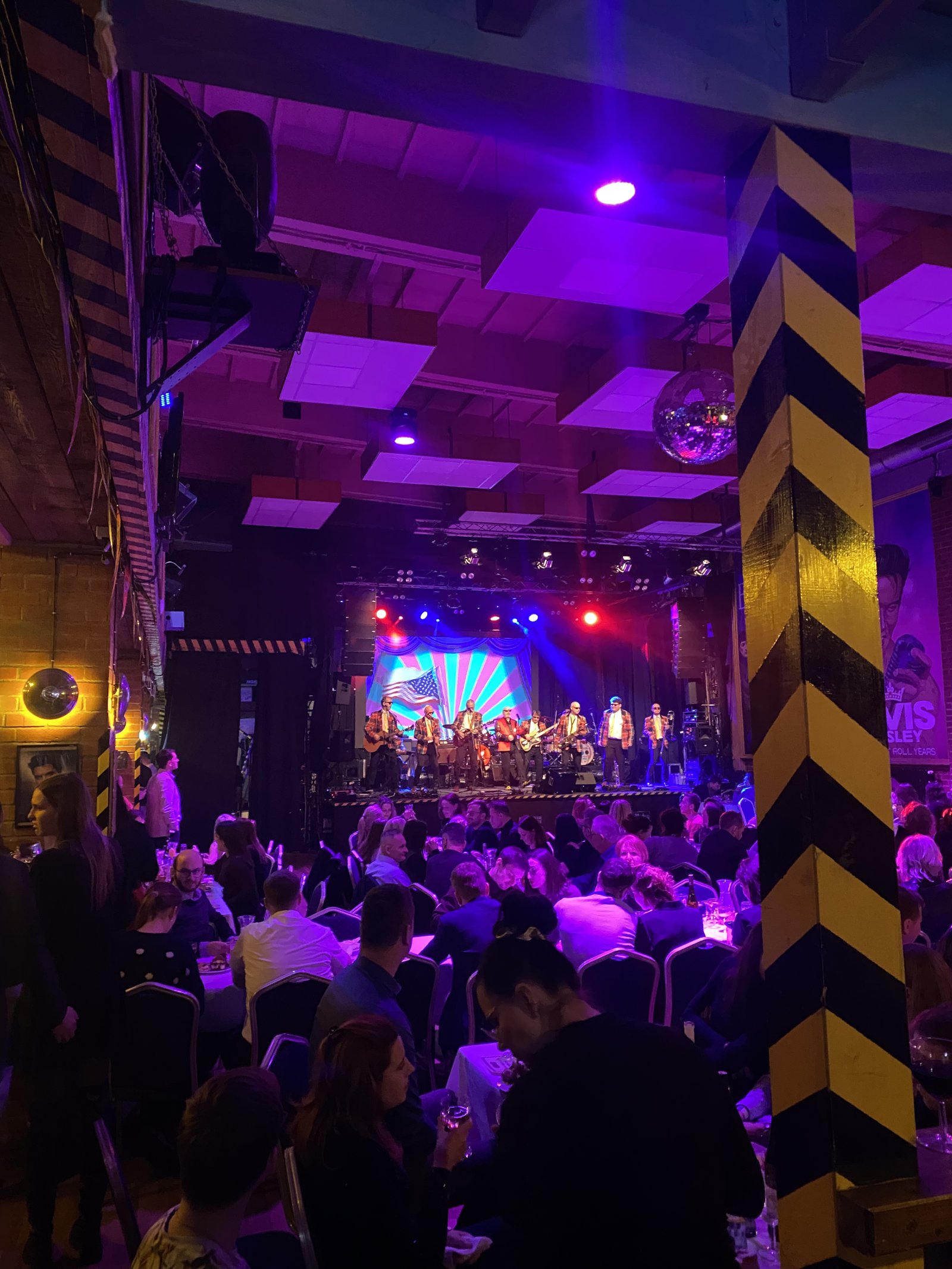
Beyond its scientific content, the conference offered valuable opportunities for international exchange and networking. With speakers and attendees from numerous European countries and overseas, Colours of Sepsis once again provided a platform for sharing experience, comparing clinical approaches, and strengthening professional collaboration in the field of critical care medicine.