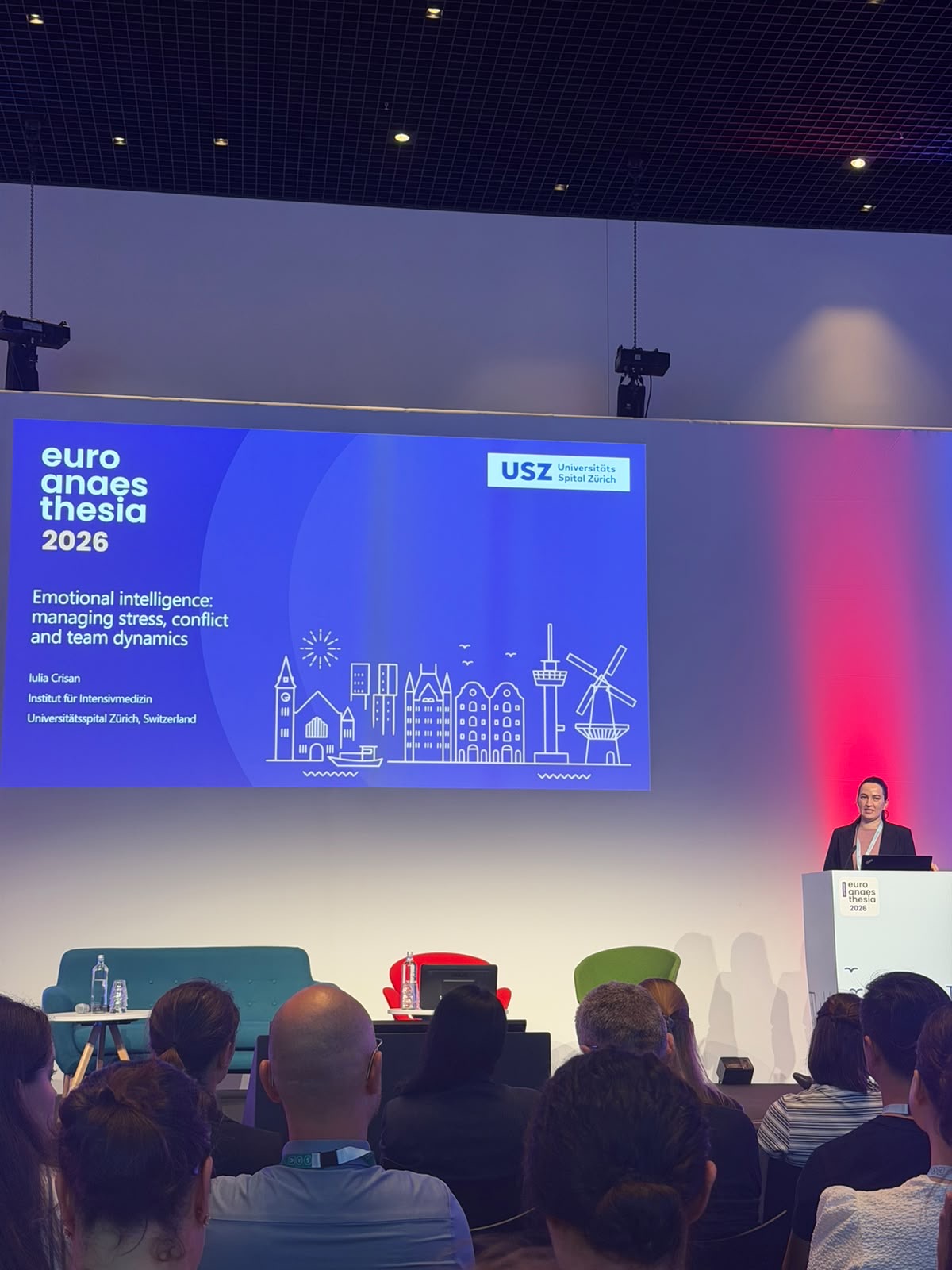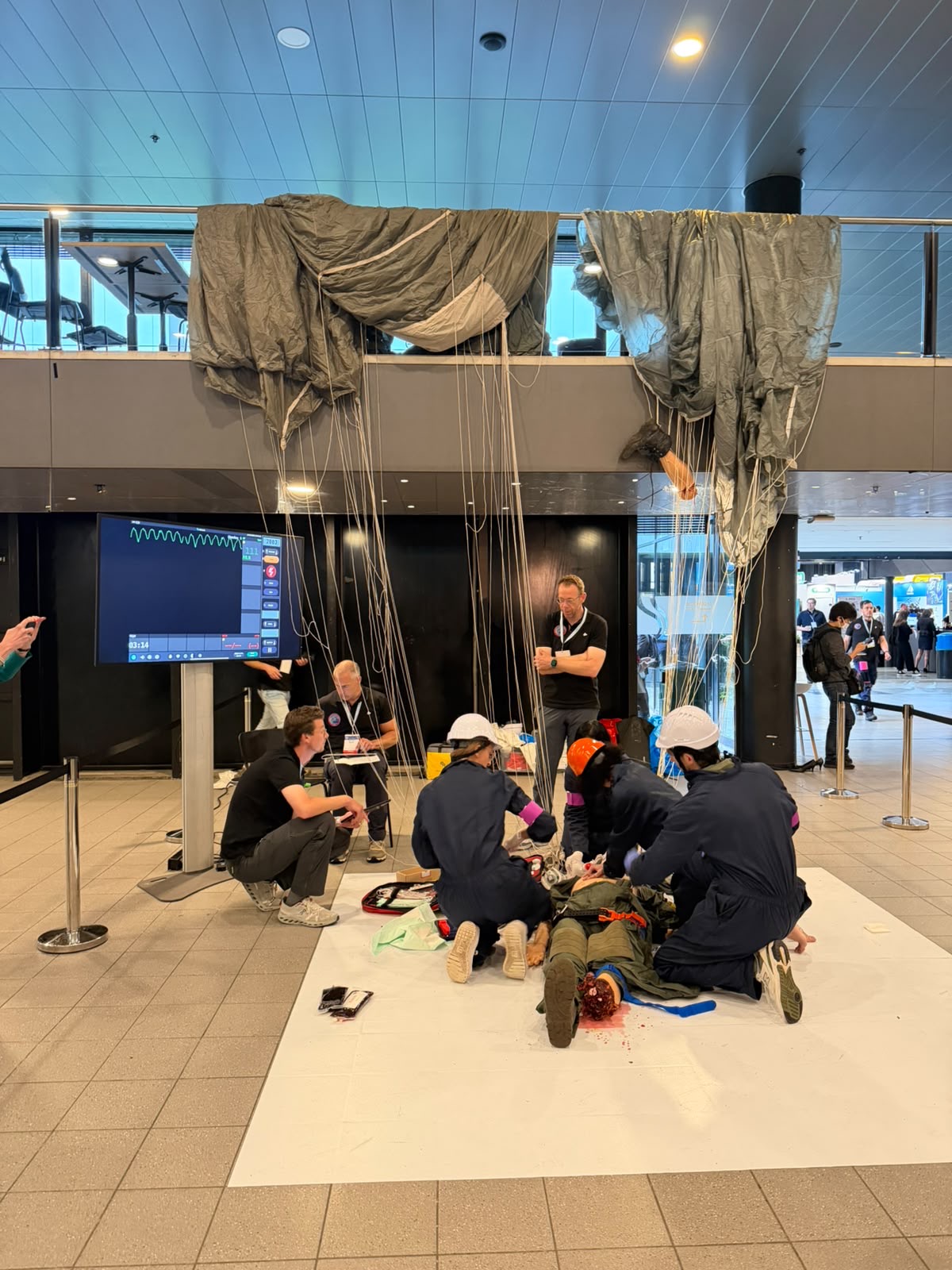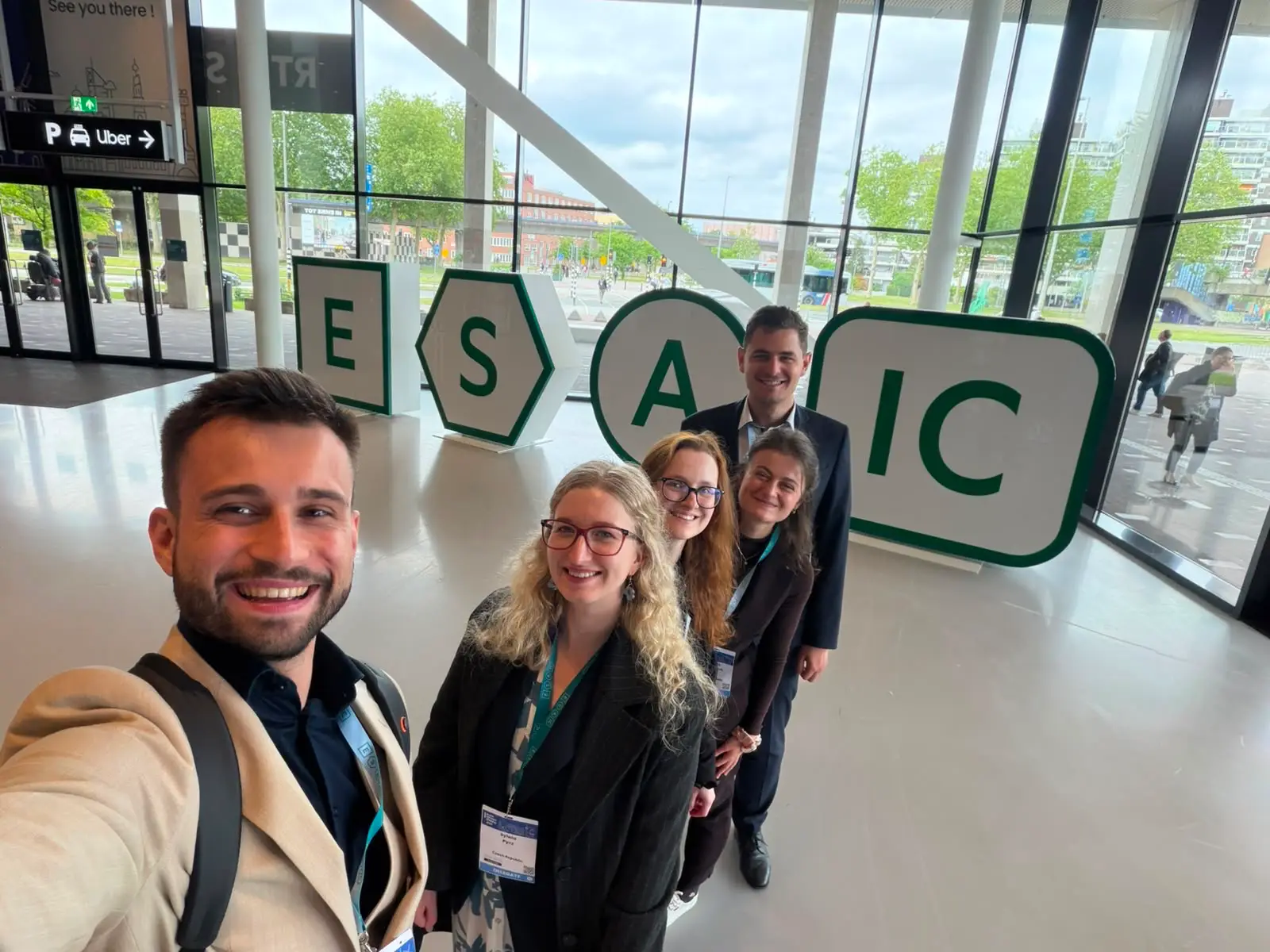
The Euroanaesthesia 2026 congress in Rotterdam opened with an innovative ceremony featuring an AI avatar of ESAIC President Dr. Idit Matot alongside past President Prof. Kai Zacharowski, who reflected on the societal and institutional transformations since the pandemic, accented by an energetic performance from the ESAIC Band. The scientific program kicked off with a high-stakes debate on whether sugammadex should completely replace traditional agents for neuromuscular blockade reversal, concluding that while its clinical superiority in preventing residual curarization is undeniable, retaining other options remains vital for maintaining clinical flexibility and addressing patient-specific limitations.
In the realm of neuroanaesthesia, experts emphasized that the primary goal of awake craniotomies and advanced spinal surgeries is achieving a calm, cooperative patient rather than full awareness, relying heavily on precise patient selection, tailored sedation protocols, and individual stability during acute neurovascular interventions. The focus on patient safety extended to perioperative antibiotic management, where discussions highlighted the critical need to curb overuse, optimize surgical prophylaxis within a strict 24-hour window, and utilize therapeutic drug monitoring to navigate the highly unpredictable pharmacokinetics seen in critically ill patients.
The multidisciplinary management of obstetric emergencies was prominently featured through the introduction of the EMOTIVE protocol, a structured approach designed for the rapid detection and treatment of complex postpartum hemorrhage, alongside vital insights into managing rare congenital fibrinogen deficiencies to ensure successful term pregnancies. Emerging clinical technology was also scrutinized as speakers evaluated the future of continuous wireless wearable monitoring on general wards, warning against the dangers of alarm fatigue and emphasizing that advanced data collection is only effective when paired with individualized alerts and a structured human response algorithm.
Finally, the congress addressed the human element of medicine, focusing deeply on the high burnout risks faced by anaesthetists and advocating for systemic organizational changes, including flexible scheduling, mandatory recovery periods, and a supportive workplace culture. This was naturally paired with an emphasis on early-career leadership development, reminding attendees that effective leadership in the operating theater relies not on formal titles, but on the ability to maintain composure, communicate clearly, and coordinate teams during critical moments.