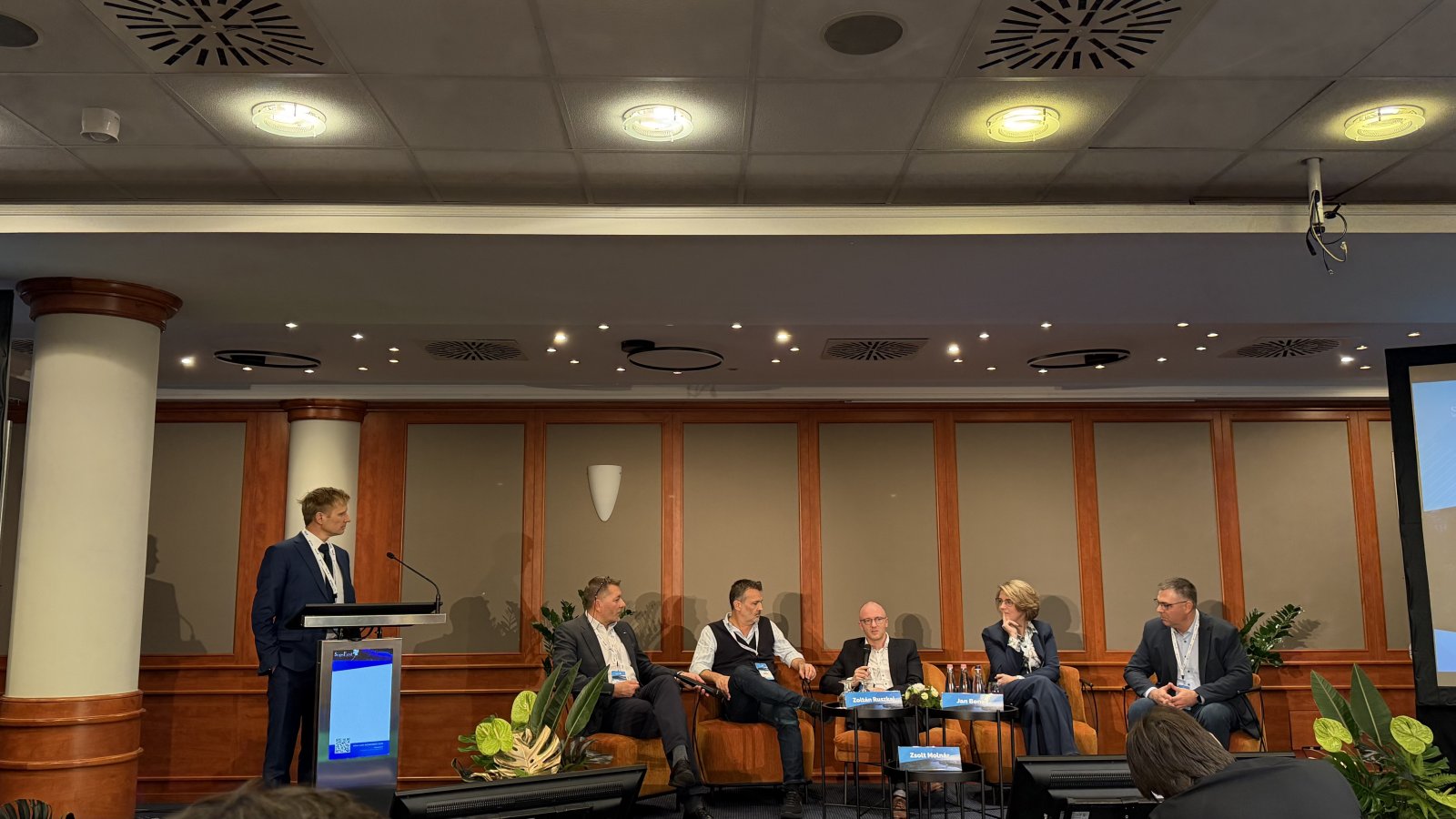
On 13–14 November 2026, Budapest hosted the sixth edition of the SepsEast conference, which has gradually established its place among international meetings of intensive care professionals. The initiative has long brought together specialists from Central Europe, fostering the exchange of experience and scientific collaboration. This year’s meeting attracted more than 200 participants and 36 speakers from 13 countries. The two-day programme covered a broad range of topics in intensive care medicine, from emerging approaches to sepsis treatment to long-term outcomes in critically ill patients.
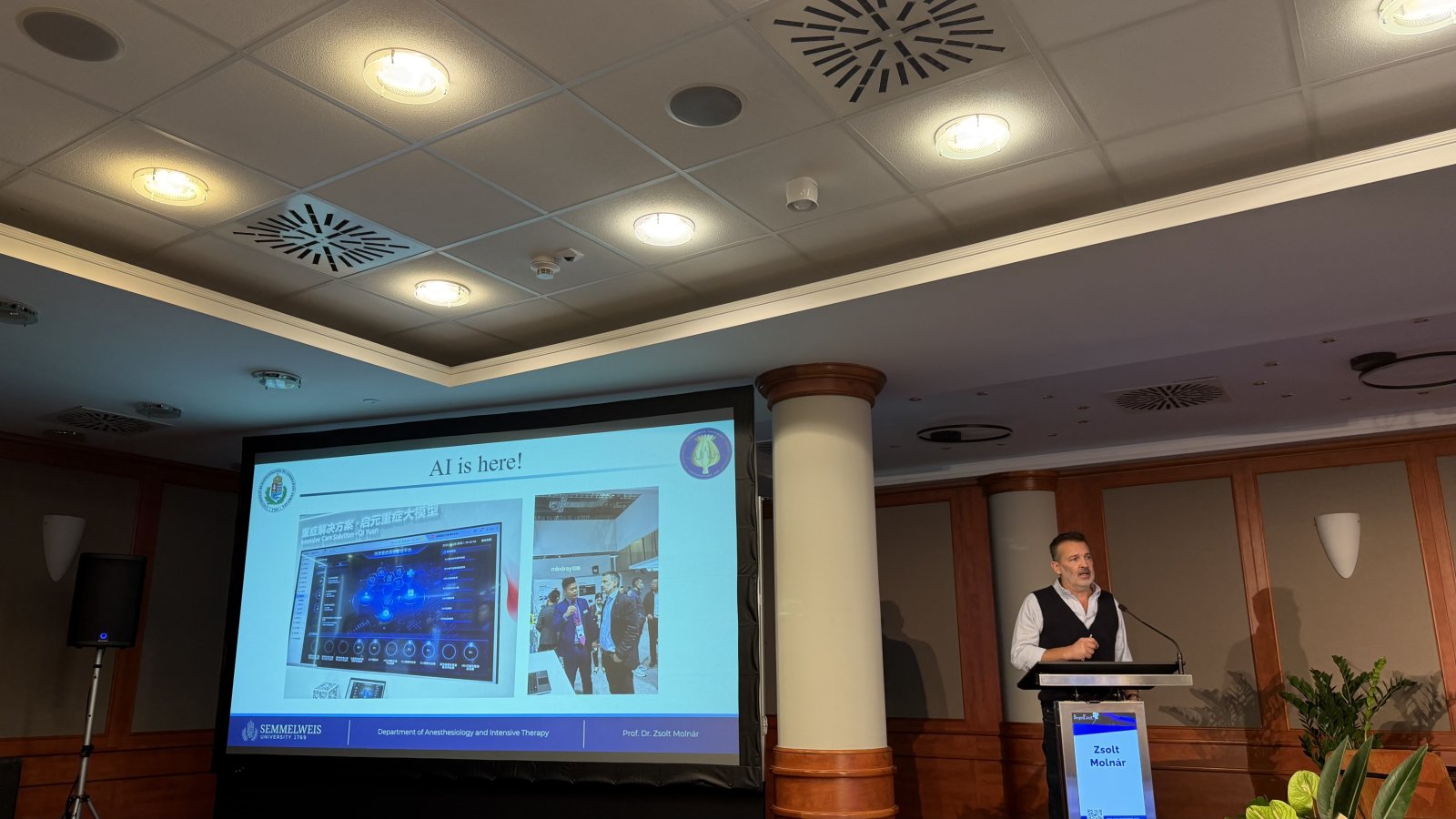
The scientific programme opened with Zsolt Molnár (Budapest, Hungary), who posed the question of whether sepsis remains a topic worthy of our attention. He reminded the audience that we do not treat sepsis as a diagnosis, but rather individual patients presenting with respiratory, circulatory, or other organ dysfunction. Early recognition of critical illness, prevention of oxygen debt, and, above all, an individualized approach remain essential. He also emphasized an important message that resonated throughout the conference: although mortality remains a crucial outcome measure, the condition in which patients survive critical illness is equally important.
Emerging Therapeutic Approaches and the Limits of Current Evidence
Krisztina Madách (Budapest, Hungary) addressed the potential of targeted immunomodulation, with a focus on sepsis-associated immunoparalysis. Although novel therapeutic approaches are emerging, their broader clinical application is limited primarily by difficulties in identifying patients most likely to benefit. She discussed the potential role of immunological biomarkers, including monocyte HLA-DR expression, as well as the importance of the gut microbiome and dysbiosis. Gerd Klinkmann (Rostock, Germany) continued this theme by introducing an experimental extracorporeal immune cell therapy involving donor-derived granulocytes. Unlike hemoadsorption techniques, this approach is not intended to remove cytokines but rather to support an impaired immune response.
Marcin Osuchowski (Vienna, Austria) explored why many promising experimental interventions never make it into clinical practice. Using two publications that reached almost contradictory conclusions regarding the similarity between human genomic responses and those observed in experimental mouse models, he demonstrated how profoundly methodology and data analysis can influence scientific interpretation. He also introduced the MQTiPSS 2.0 initiative, aimed at improving the quality, reproducibility, and clinical relevance of preclinical sepsis research.
Hemodynamics: More Fluids Do Not Necessarily Mean Better Treatment
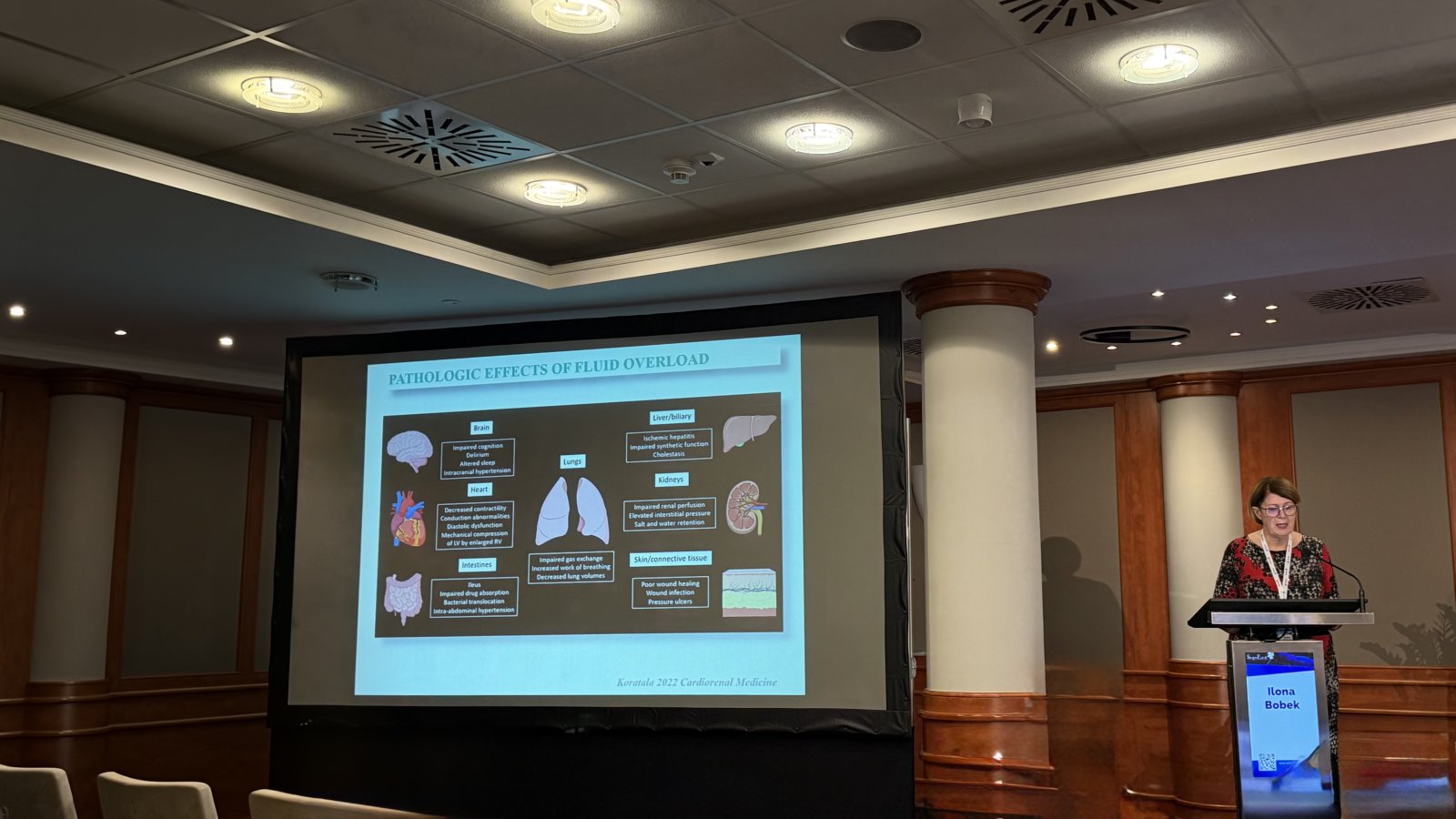
Hemodynamics and fluid therapy featured prominently throughout the programme. Aarne Feldheiser (Essen, Germany) presented the latest ESICM recommendations alongside findings from major randomised trials, including CLASSIC, CLOVERS, and ARISE FLUIDS. Their overall message was that a more restrictive fluid strategy may be safe in selected patients, although clear superiority over a more liberal approach has not been demonstrated. He also highlighted the important distinction between a positive fluid responsiveness test and an actual indication for fluid administration. The ability to increase stroke volume following a fluid challenge does not, in itself, mean that a patient needs additional fluids.
In his second lecture, Feldheiser focused on the often-overlooked physiology of the venous circulation. He highlighted the importance of venous capacitance, venous return, and blood mobilisation from the venous reservoir in regulating cardiac output. This offered an interesting perspective on the hemodynamic effects of vasopressors, which cannot be explained solely by changes in arterial vascular tone.
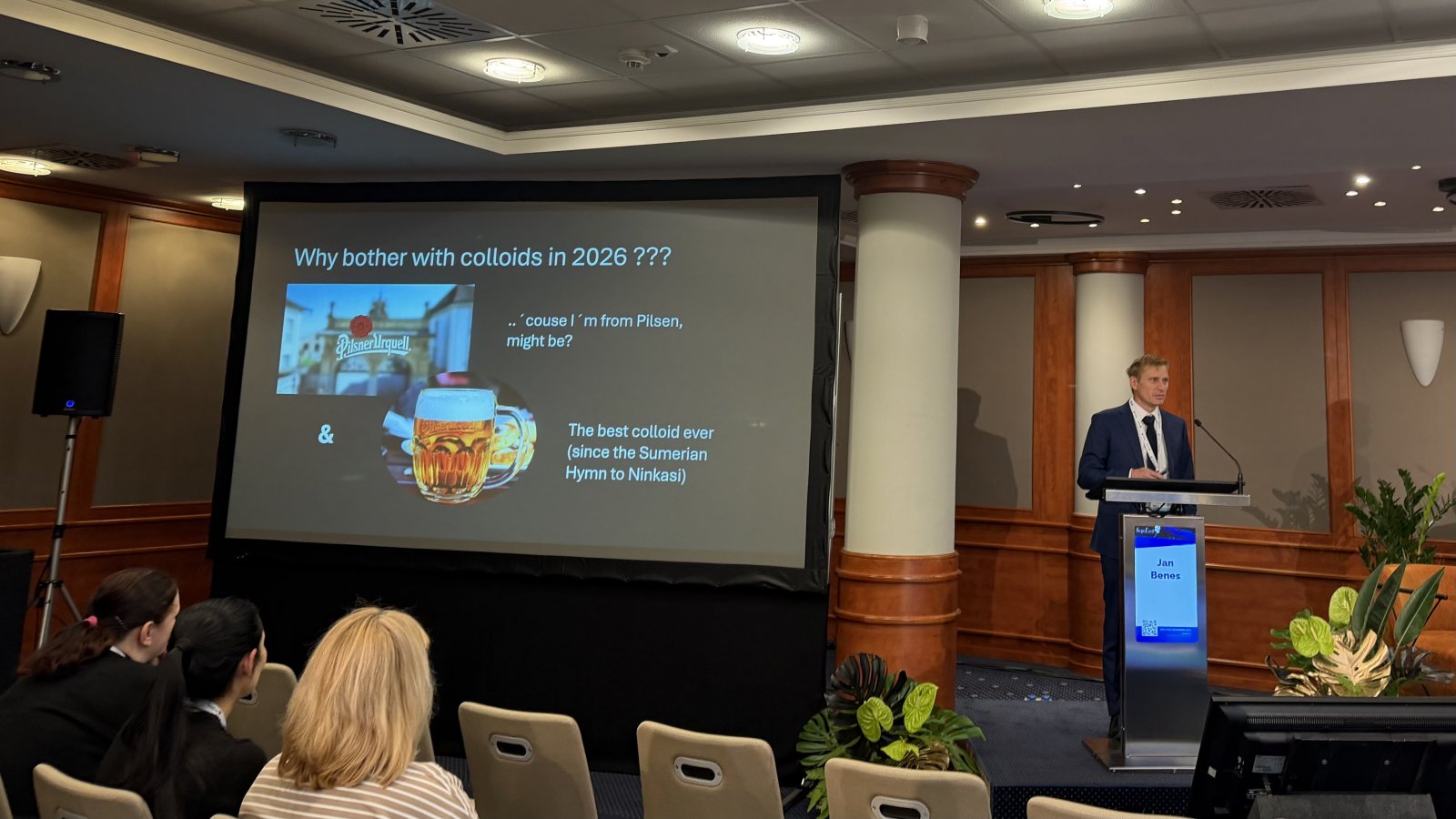
Jan Beneš (Pilsen, Czech Republic) continued the discussion of fluid therapy with a lecture on the use of colloids in septic patients, beginning, as is his tradition, with a physiology-based introduction. From the role of the endothelial glycocalyx and capillary permeability, he moved on to current evidence regarding the clinical use of hydroxyethyl starches, gelatin, and albumin. While the use of synthetic colloids remains problematic, a recent meta-analysis suggests a potential beneficial effect of albumin on mortality in patients with septic shock. However, the evidence remains insufficient to support routine administration to all patients.
Zoltán Ruszkai (Kistarcsa, Hungary) raised the question of whether transfusion therapy could also be guided by physiological parameters. He reminded the audience that red blood cell transfusion is not merely a correction of a laboratory haemoglobin value. Beyond restrictive transfusion thresholds, decisions should take into account the patient's current clinical condition, signs of tissue hypoxia, and the actual response to transfusion. He also presented the results of his own survey of transfusion practices in Hungarian intensive care units.
Sepsis-Associated Coagulopathy: From Diagnosis to Targeted Treatment
Another major topic was sepsis-associated coagulopathy. Anikó Smudla (Budapest, Hungary) explored the complex interplay between the inflammatory response, coagulation activation, and fibrinolysis. She highlighted the dynamic nature of hemostatic phenotypes in septic patients and the potential role of viscoelastic testing in their characterisation.
Krisztián Tánczos (Budapest, Hungary) continued with the topic of recombinant thrombomodulin. He reviewed prior failures of anticoagulant therapy in sepsis and presented recent study findings alongside the Japanese approach to treating sepsis-induced disseminated intravascular coagulation. Identifying appropriate patients and confirming clinical benefit in high-quality randomised trials remain key challenges.
Konstanty Szułdrzyński (Warsaw, Poland) addressed the specific challenges of coagulation disorders in septic patients receiving ECMO support. He highlighted the overlapping hemostatic alterations induced by sepsis and extracorporeal circulation, which complicate both the interpretation of conventional coagulation tests and the monitoring of anticoagulant therapy.
From Advanced Monitoring to the Use of Clinical Data
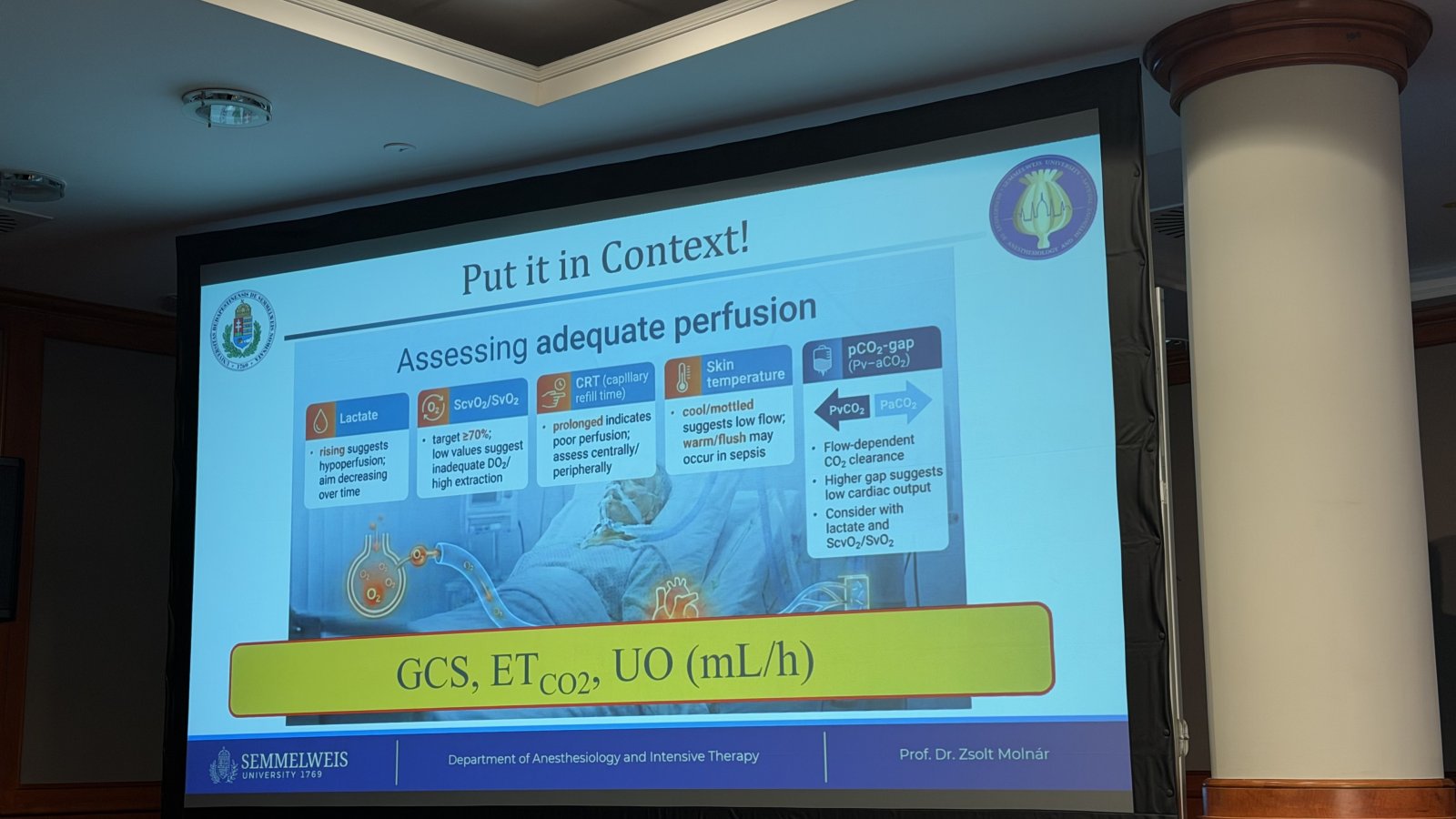
Zsolt Molnár returned to the importance of physiology-guided resuscitation in another lecture, this time focusing on tissue perfusion assessment. He reminded the audience that achieving a target arterial pressure does not necessarily guarantee adequate tissue oxygenation. He emphasised the value of combining clinical assessment of peripheral perfusion, lactate measurements, and other hemodynamic indicators. He also presented the achievements of his research team at Semmelweis University, including recent systematic reviews and meta-analyses addressing individualised resuscitation strategies.
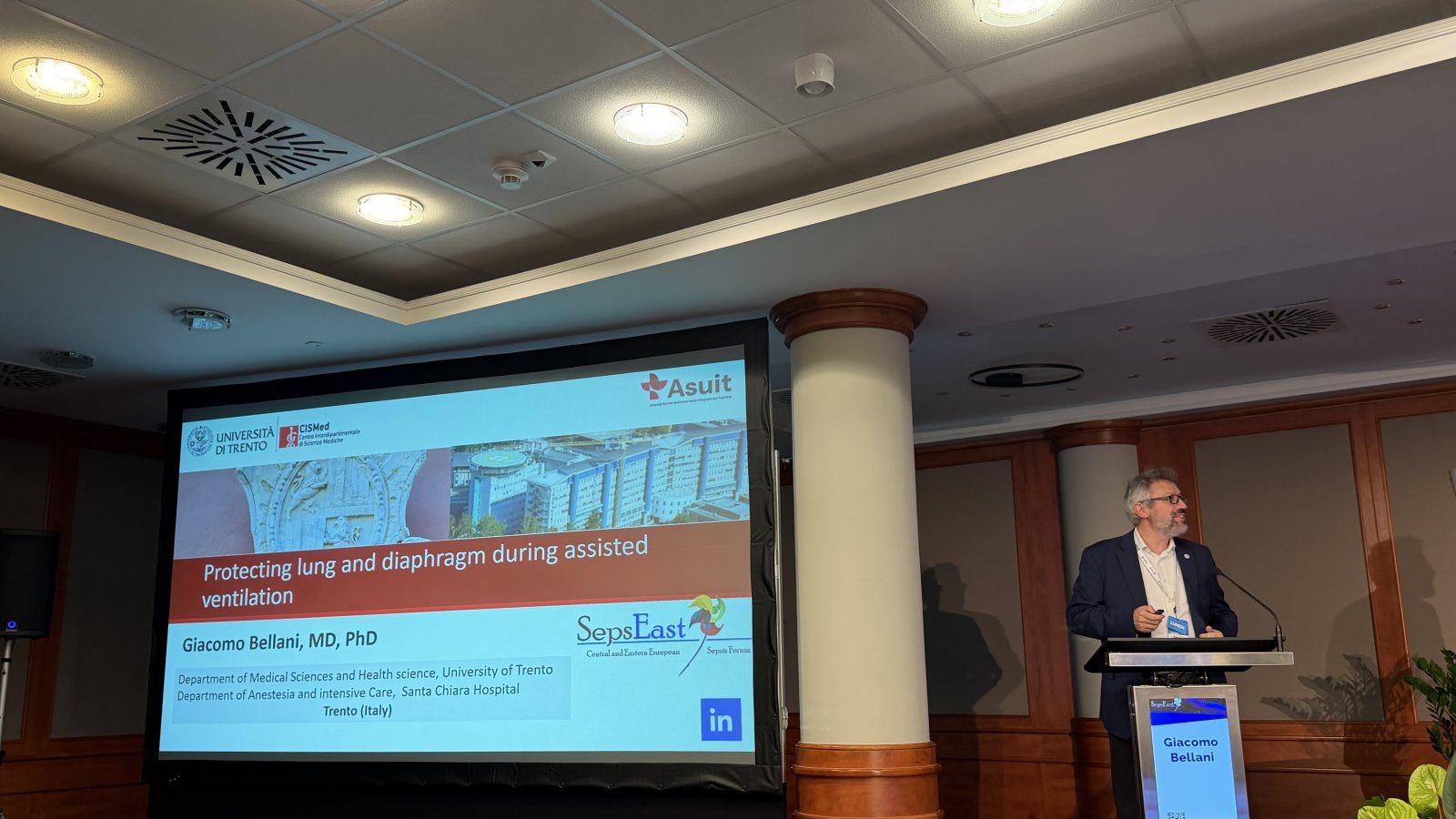
Giacomo Bellani (Trento, Italy) delivered a clinically oriented lecture on lung- and diaphragm-protective assisted ventilation. He stressed the need to balance insufficient and excessive ventilatory assistance, as both extremes may contribute to lung and diaphragmatic injury. He also introduced simple bedside methods for assessing respiratory effort using brief inspiratory and expiratory occlusion manoeuvres, which do not require specialised monitoring equipment.
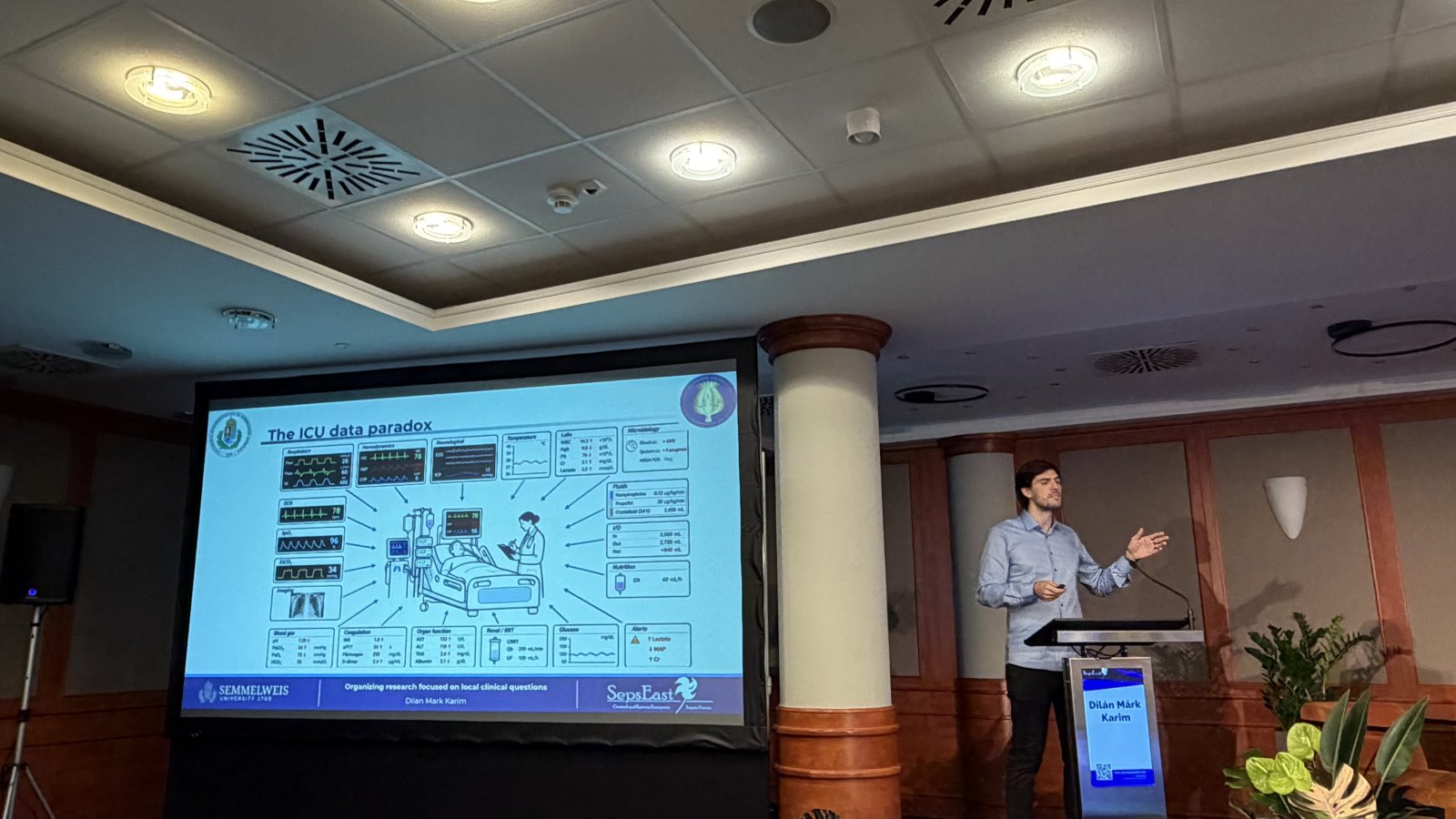
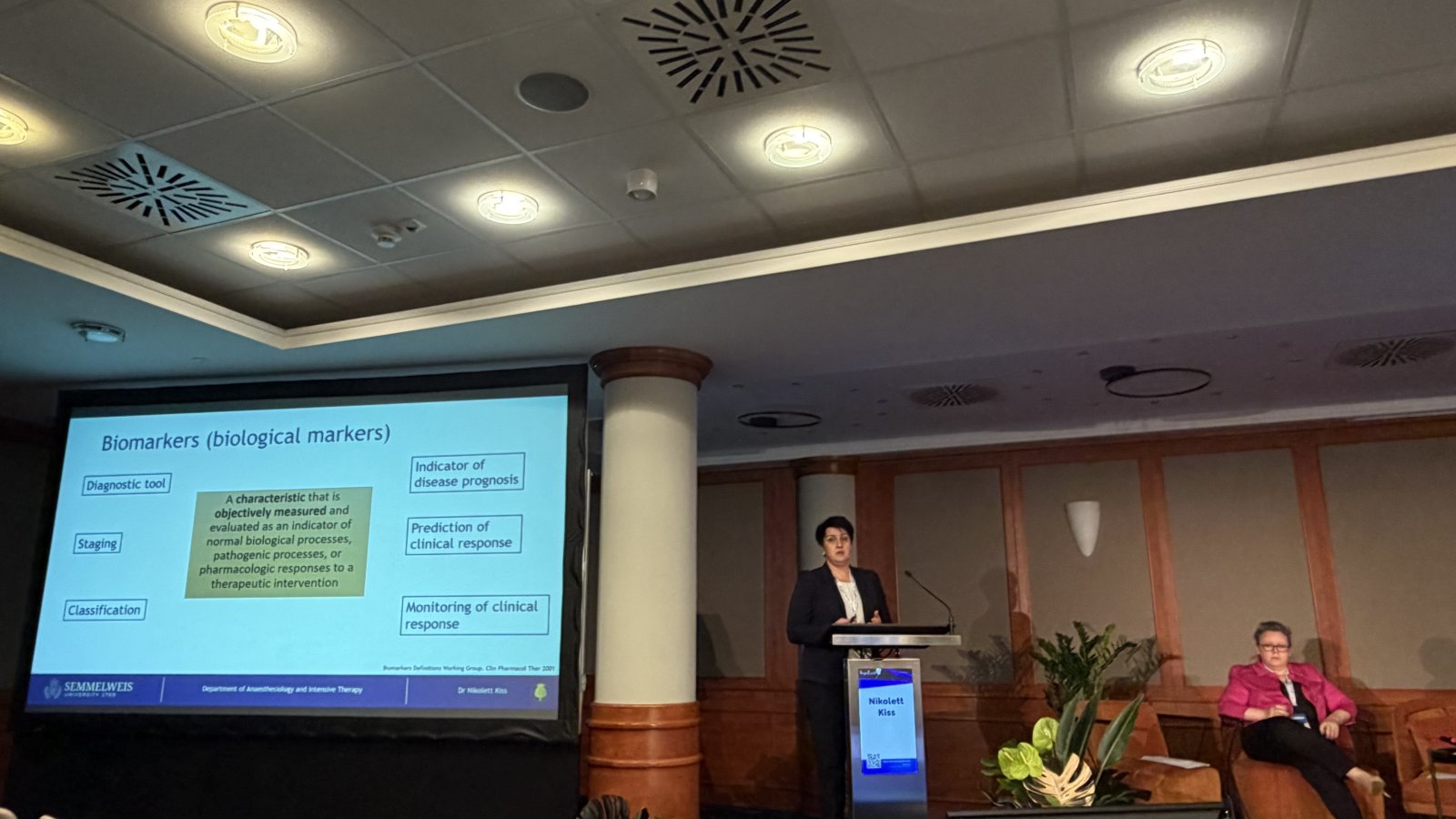
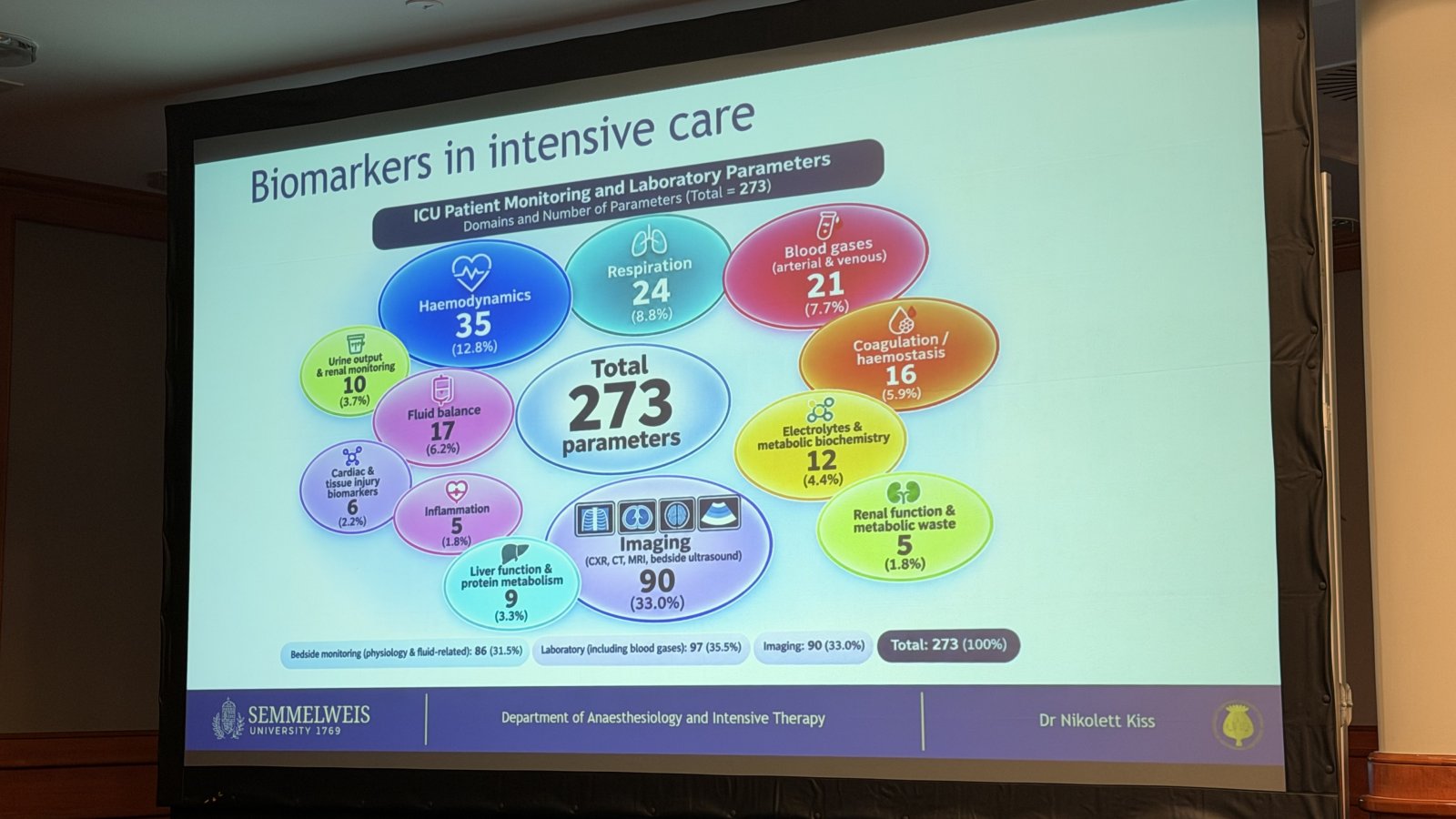
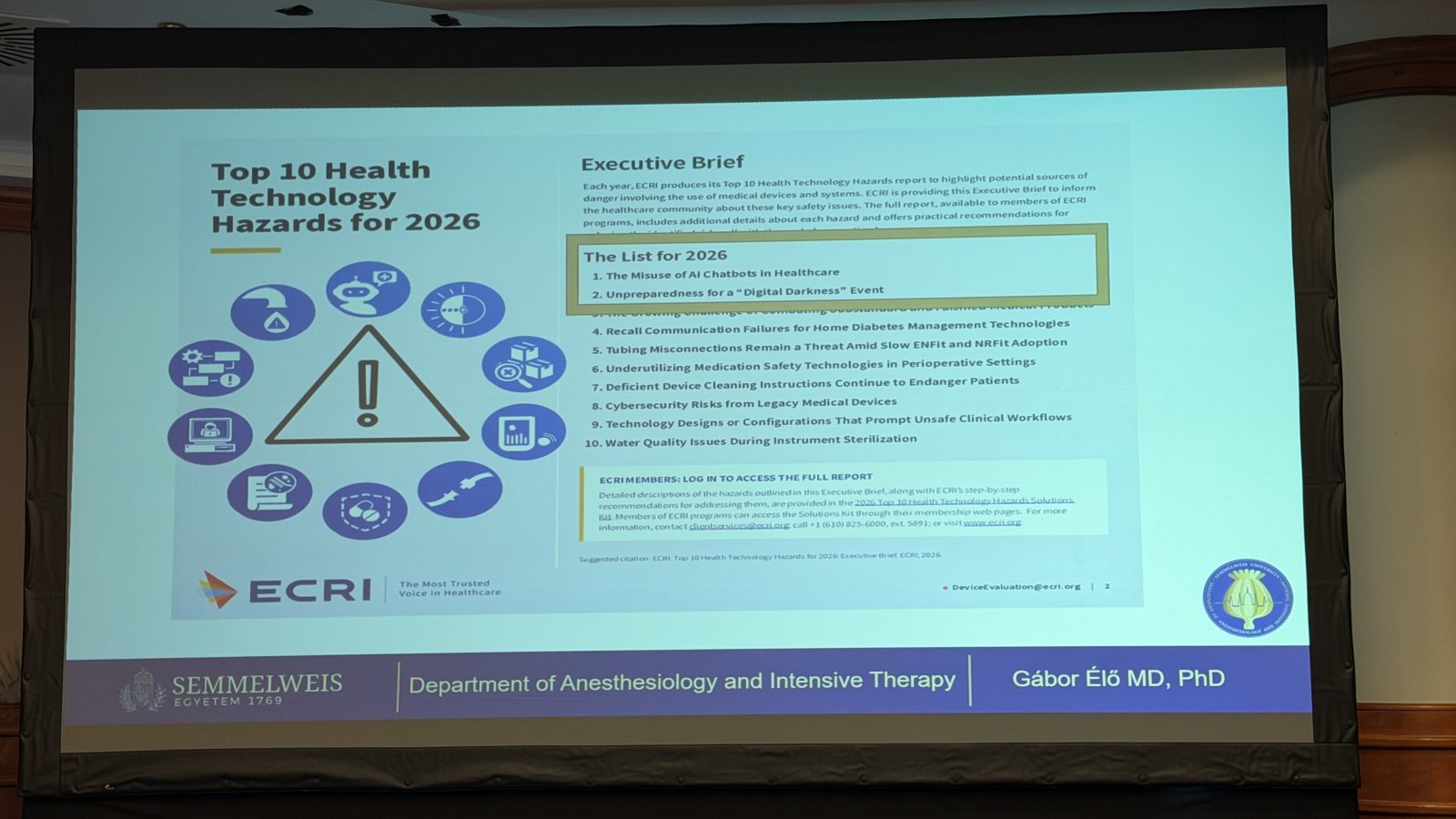
Dilán Márk Karim (Budapest, Hungary) explored emerging opportunities for the use of clinical data. His presentation followed the pathway from routinely collected information through digitisation, harmonisation, and secure storage to its subsequent use in clinical research. Nikolett Kiss (Budapest, Hungary) focused on the possibilities and limitations of biomarkers in intensive care and introduced new applications of artificial intelligence, including image-based data analysis. Both presentations highlighted that the real value of emerging technologies lies in their ability to support better clinical decision-making.
Survival Is Not Enough
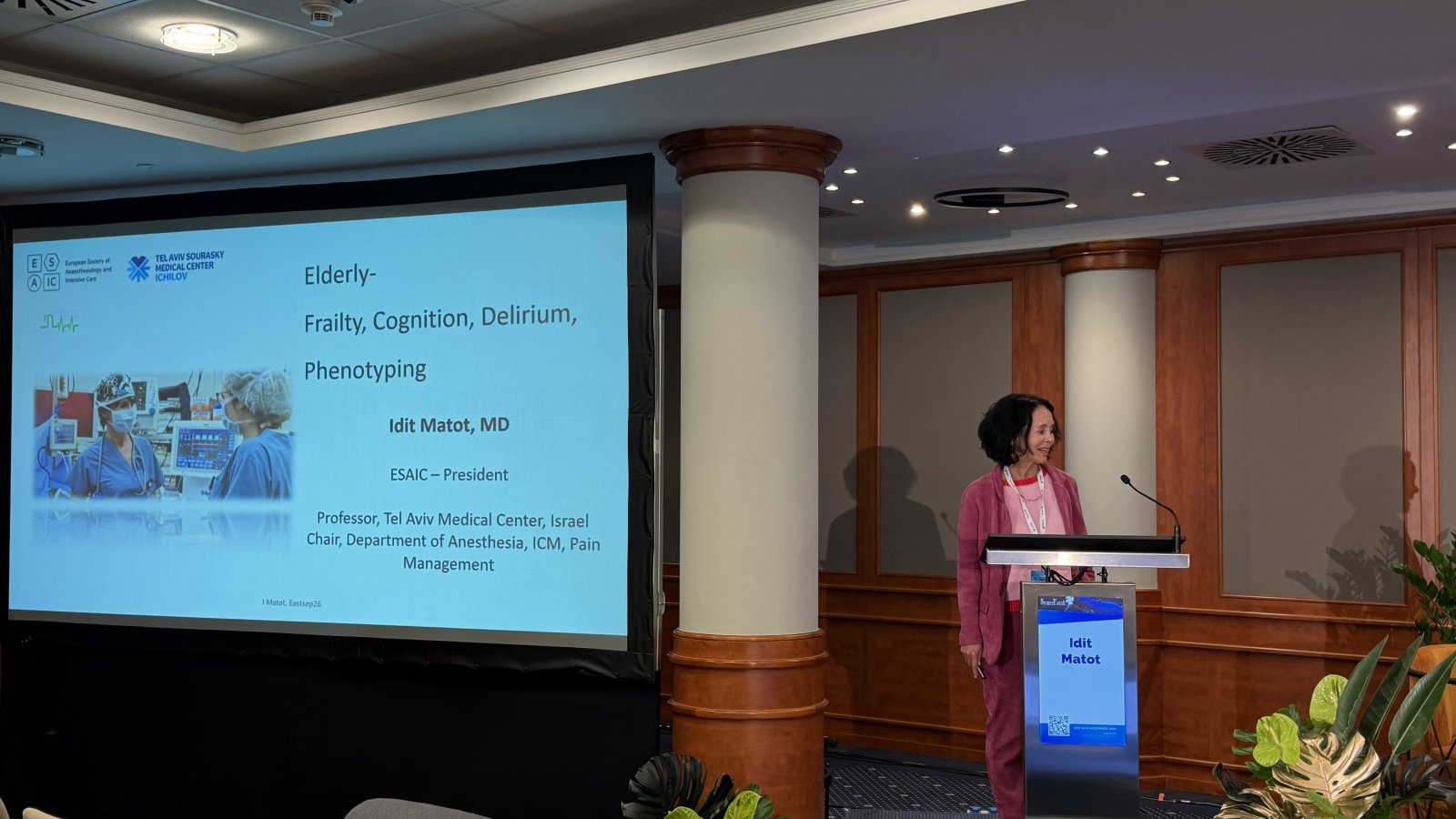
A refreshing change in perspective came with the session dedicated to long-term outcomes of intensive care. Idit Matot (Tel Aviv, Israel) addressed cognitive impairment, frailty, and postoperative delirium in older surgical patients. Drawing on findings from her own studies, she demonstrated the value of simple preoperative screening for cognitive impairment and frailty and presented specific organisational measures implemented at her institution. She also emphasised the importance of multidisciplinary collaboration and family involvement in perioperative care.
Miłosz Jankowski (Warsaw, Poland) continued with the prognosis of the oldest patients admitted to intensive care. His key message can be summarised simply: assess frailty and pre-existing functional status rather than focusing on a patient's date of birth. Chronological age alone should not determine admission to intensive care or decisions to limit treatment. Patient preferences, expected quality of life, and the possibility of a time-limited trial of intensive care when the prognosis is uncertain are also essential considerations.
Budapest: A Wonderful Setting for a Scientific Meeting
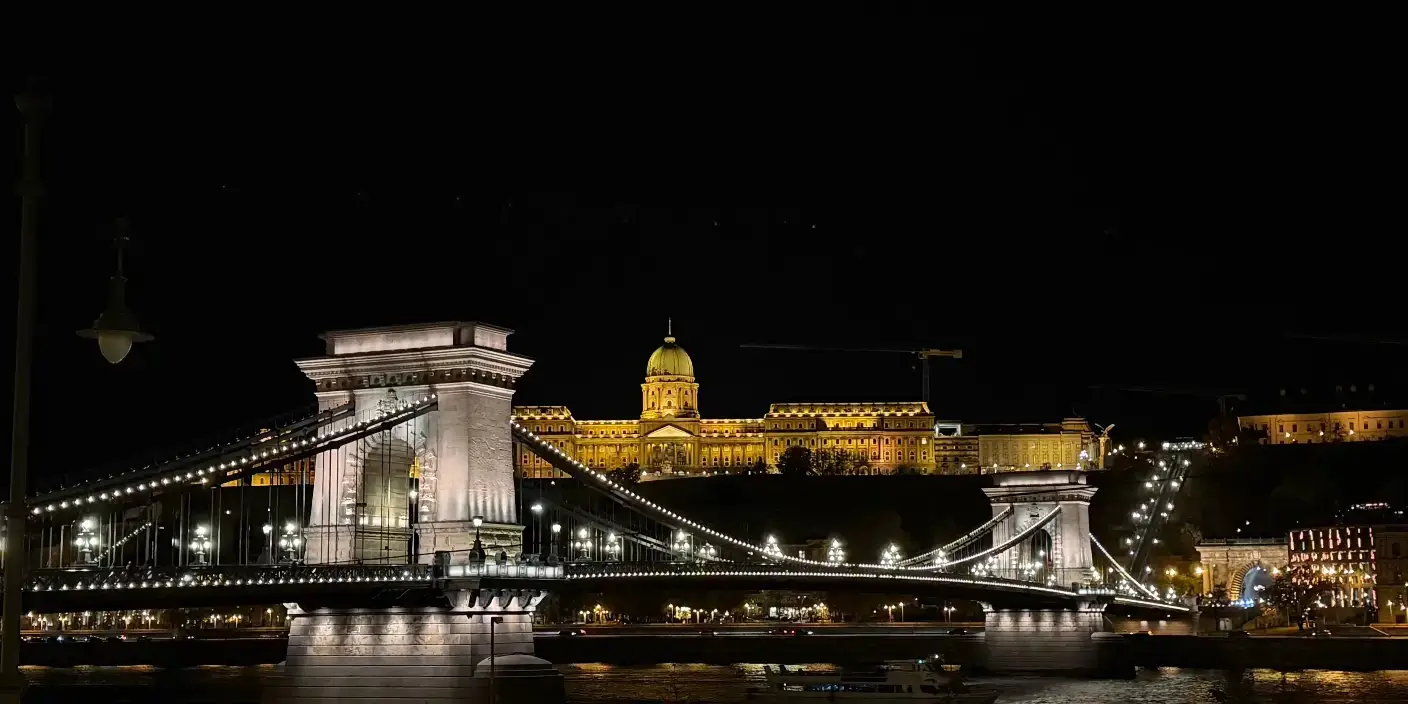
SepsEast, however, is about more than its scientific programme. The relatively intimate atmosphere of the conference provides opportunities for personal encounters, discussions, and new collaborations that often continue beyond the lecture hall. The gala dinner took place in the beautiful setting of Aranybástya, offering spectacular views of Budapest by night.
By November, the city had already embraced the festive season. Christmas markets attracted crowds of visitors, while an evening walk offered views of the illuminated St Stephen's Basilica, the Chain Bridge, and the Buda skyline. Budapest therefore provided not only an inspiring scientific meeting but also an enjoyable experience beyond the conference venue.
The conference was brought to a close by Zoltán Ruszkai, the initiative's current president, who, together with Zsolt Molnár and the other organizers, invited participants to the seventh edition of SepsEast, scheduled for 12–13 November 2027, once again in Budapest.
This year's meeting also marked an important organisational milestone for the SepsEast initiative. During the conference, the SepsEast Society of Intensive Care Medicine was officially established at its founding General Assembly. The existing professional initiative has thus evolved into a formal scientific society, providing a stronger foundation for future international collaboration, education, and joint research activities.