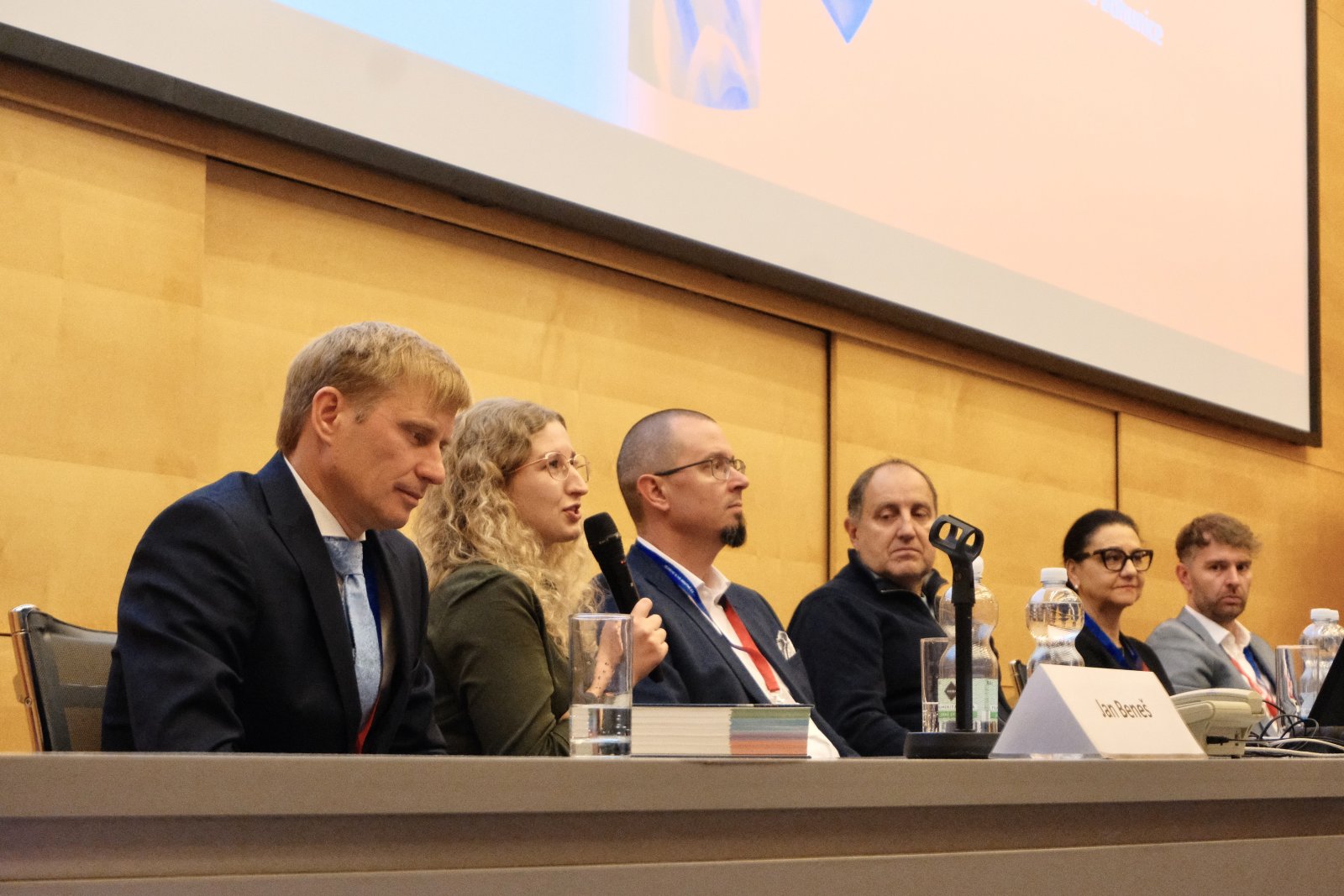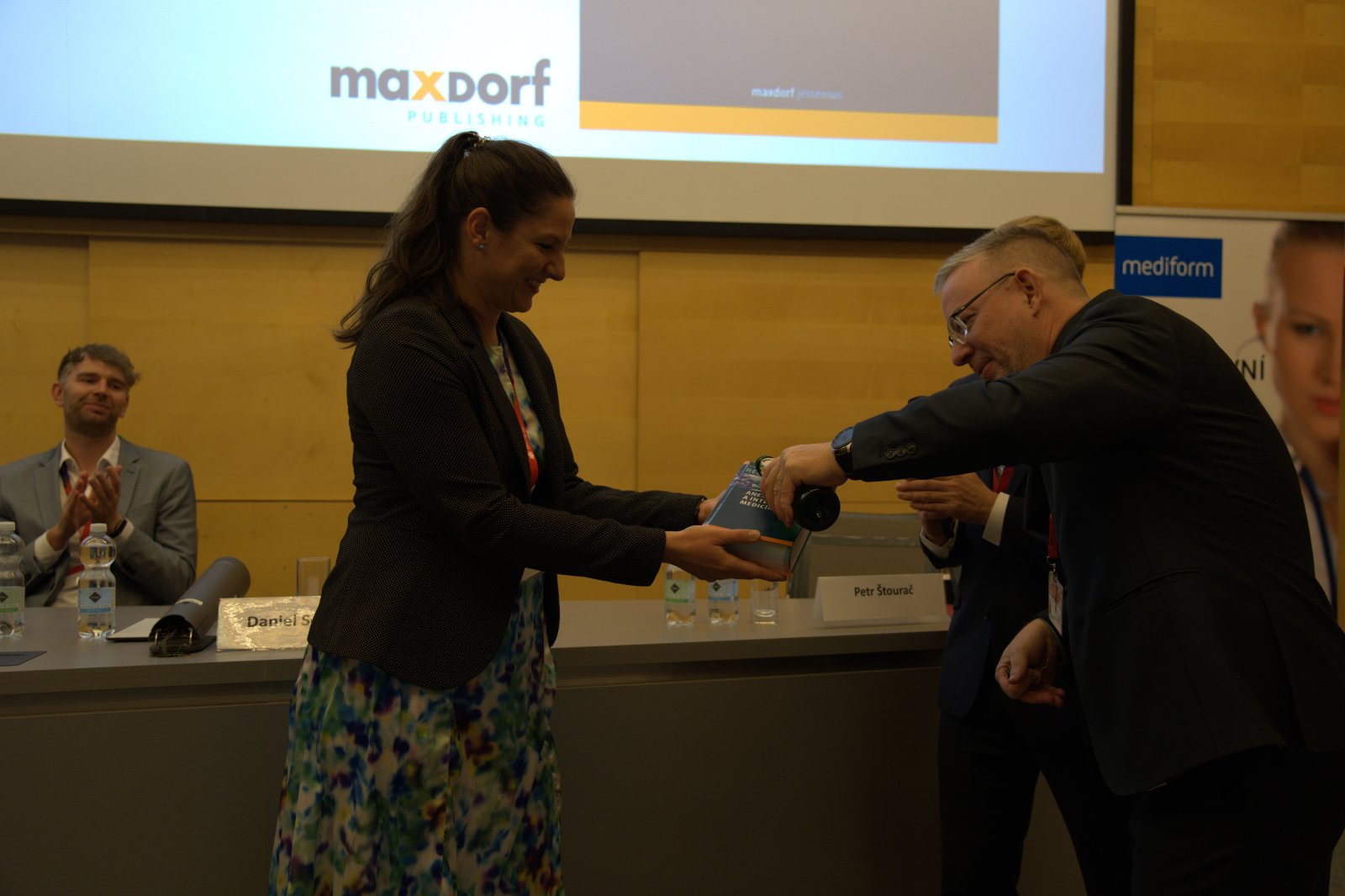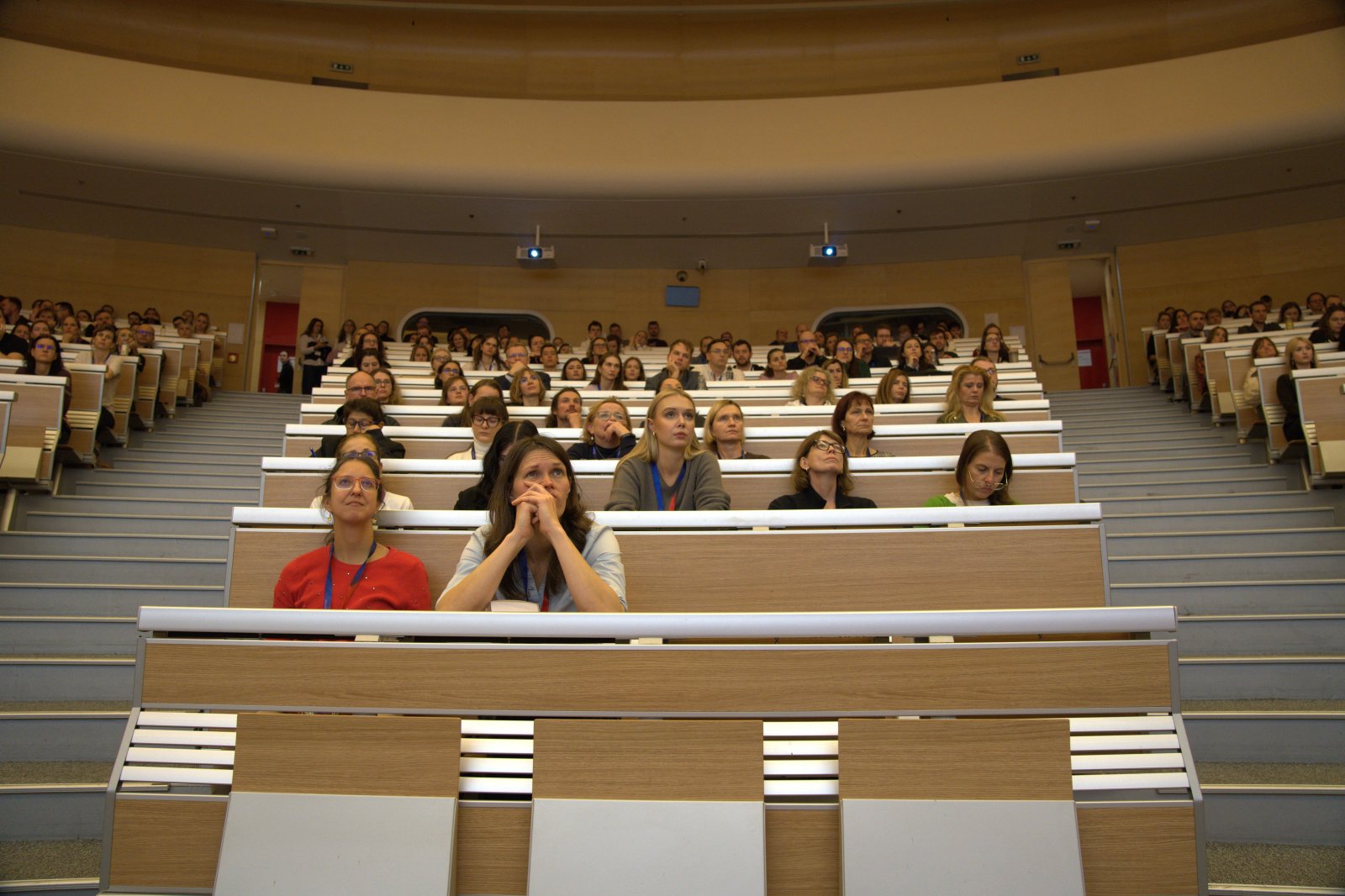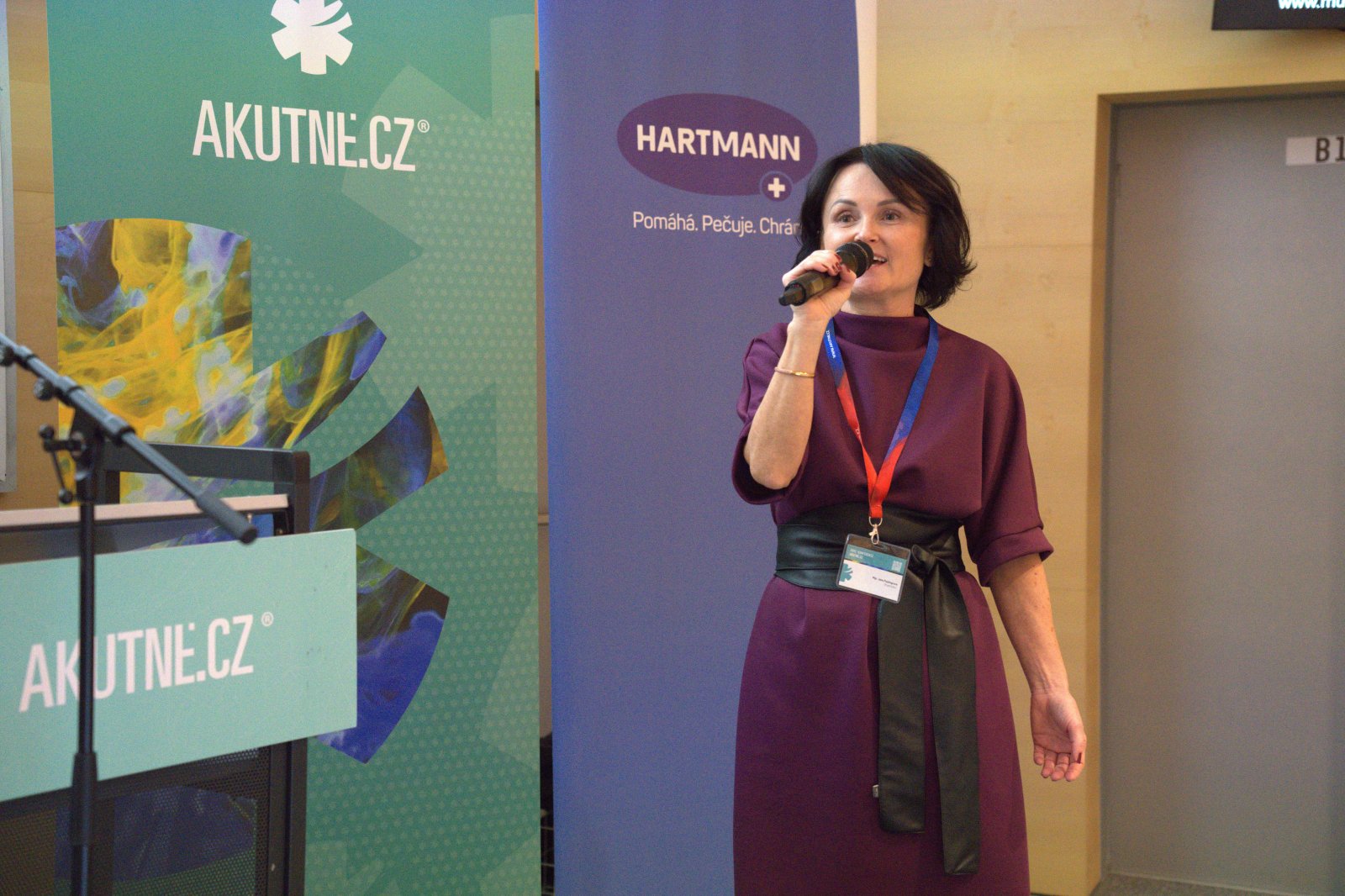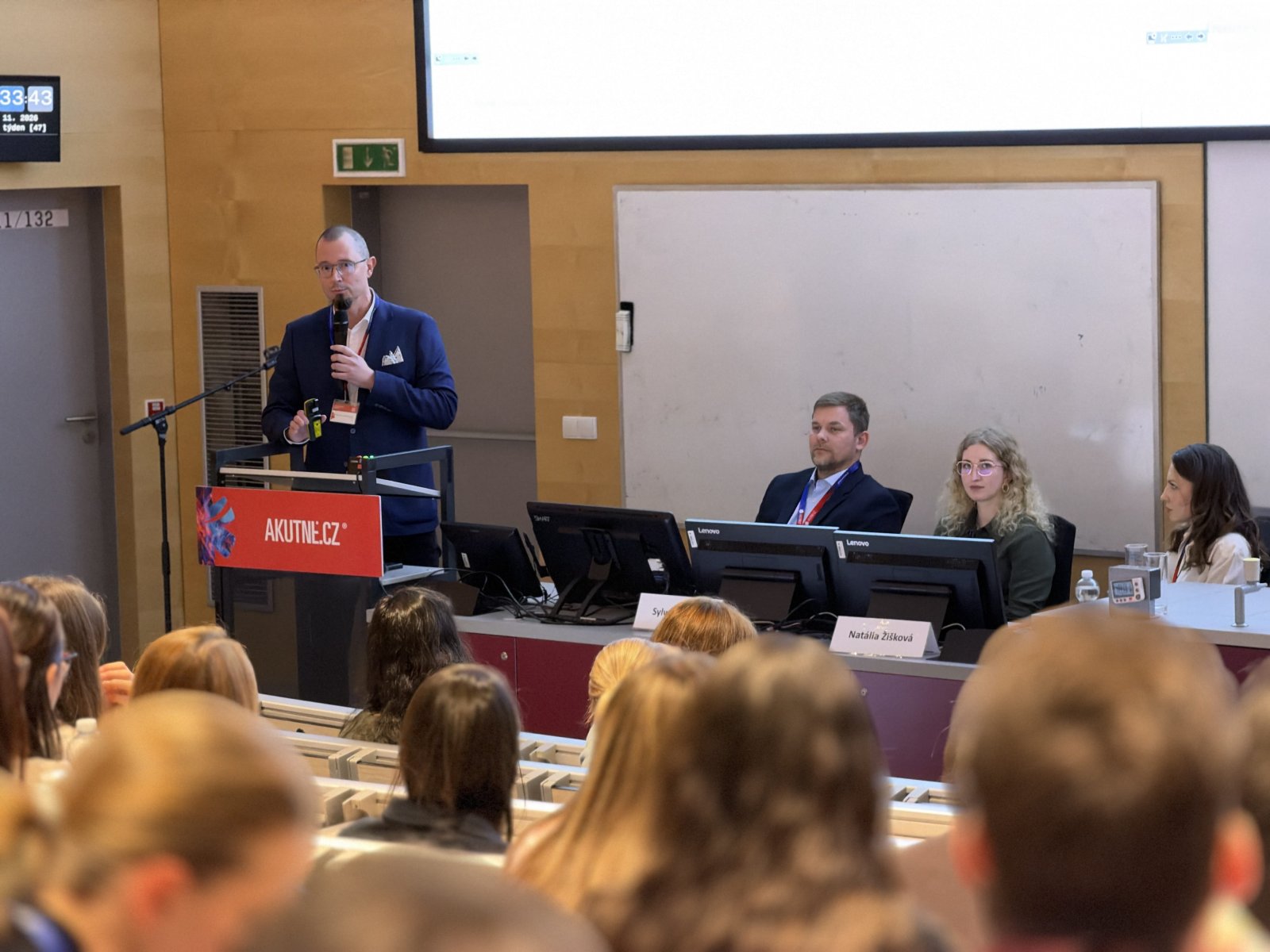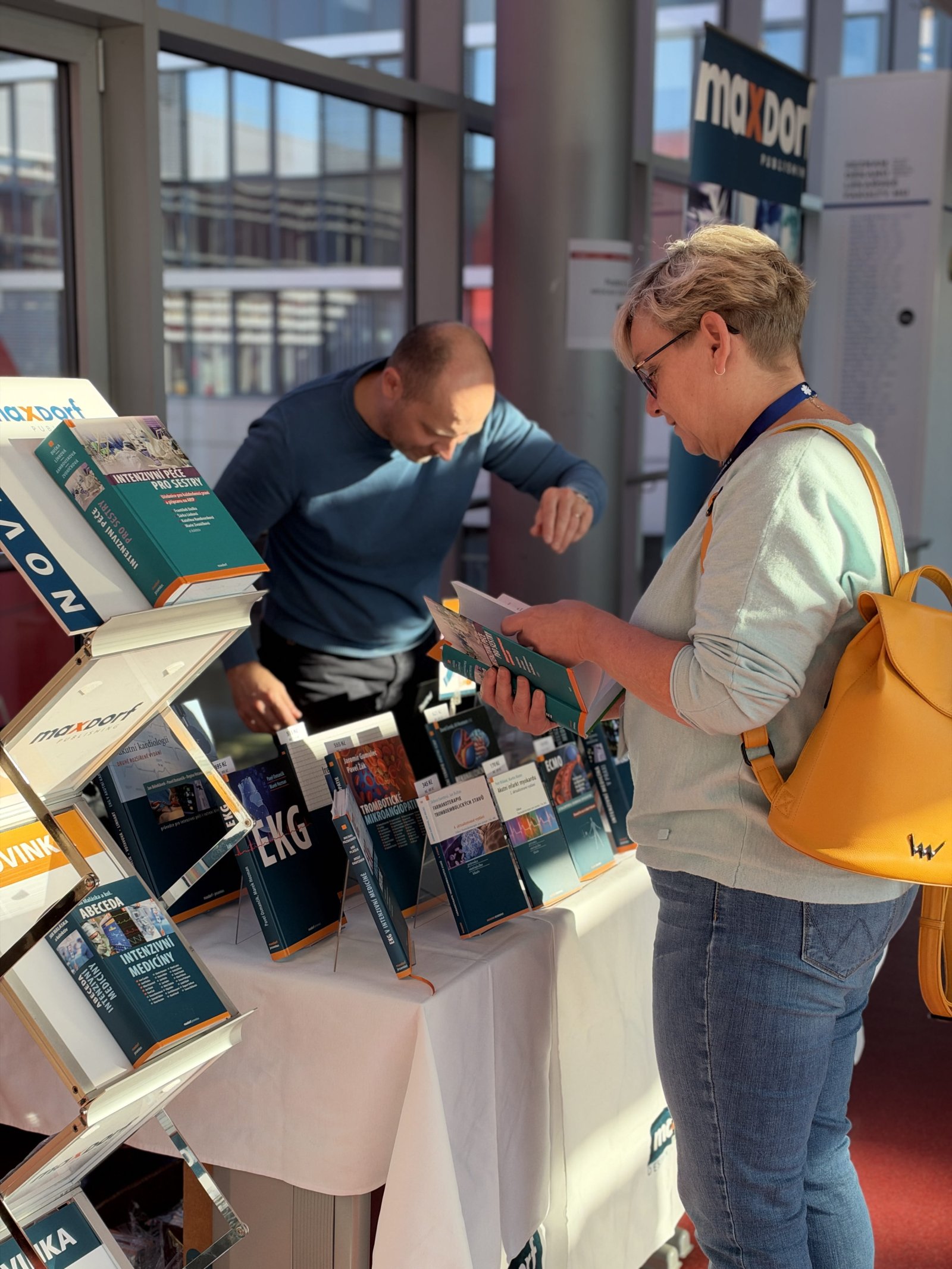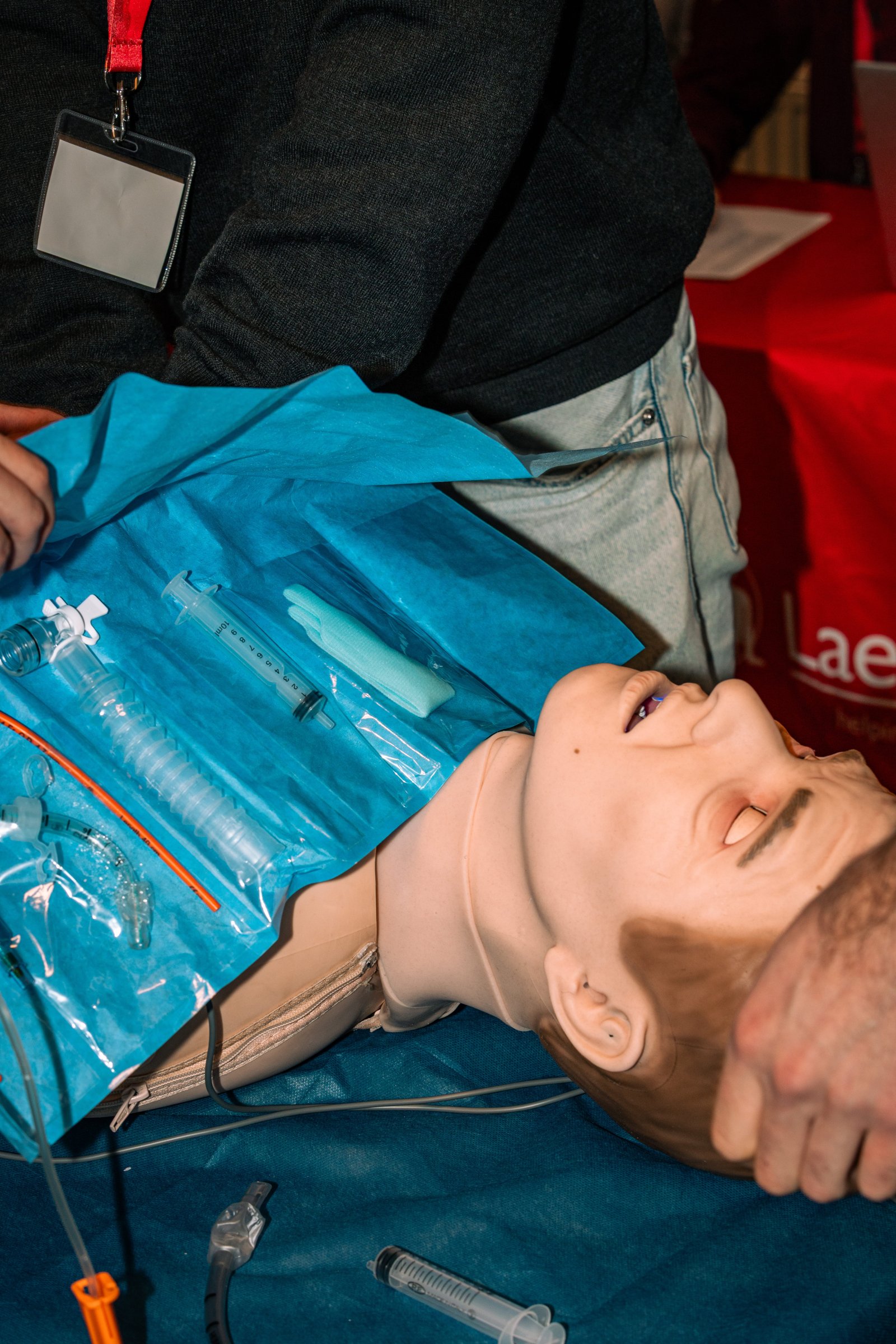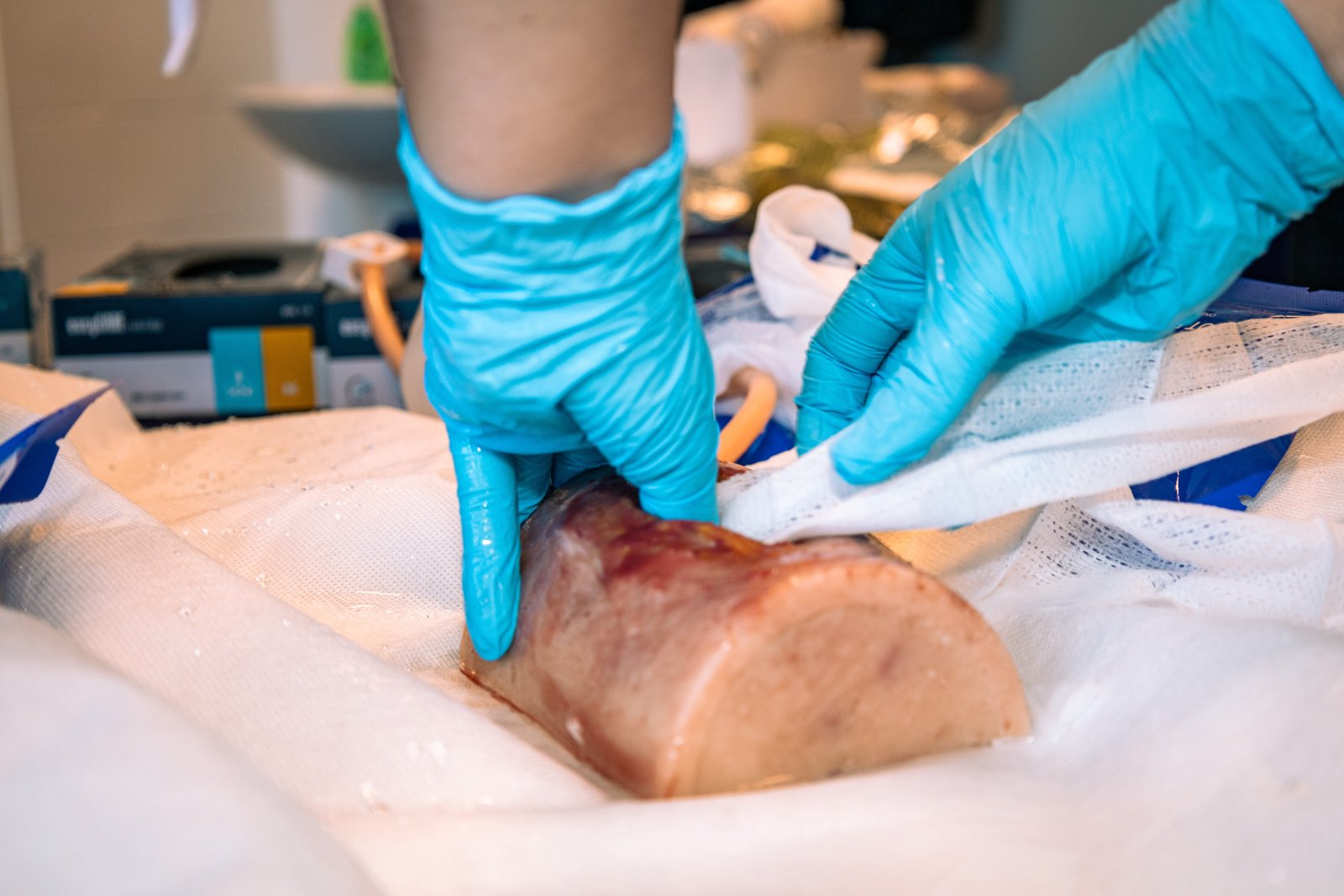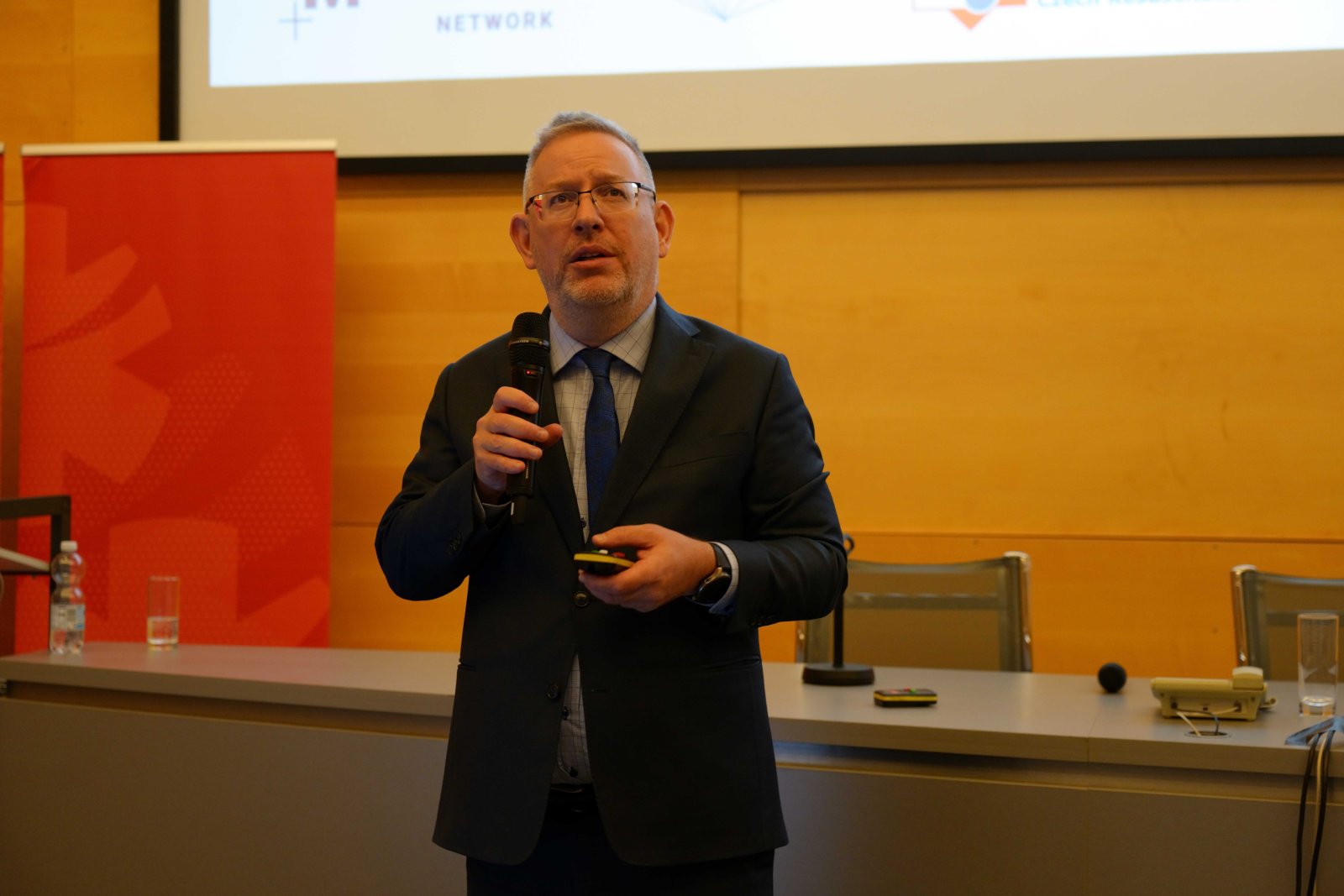
As is tradition, this year's conference was opened by prof. Štourač (Brno), who welcomed all participants and introduced the session chairs. He then introduced the conference partners and the professional societies endorsing the event. The opening ceremony also included the presentation of an exceptional gift: the rare resuscitation manikin Anne No. 1, which will be displayed at the entrance to the Simulation Centre. Another special moment was the launch of the book Repetitorium anesteziologie a intenzivní medicíny (A Review of Anaesthesiology and Intensive Care Medicine), presented by Dr Beneš, Dr Štorsová and colleagues.
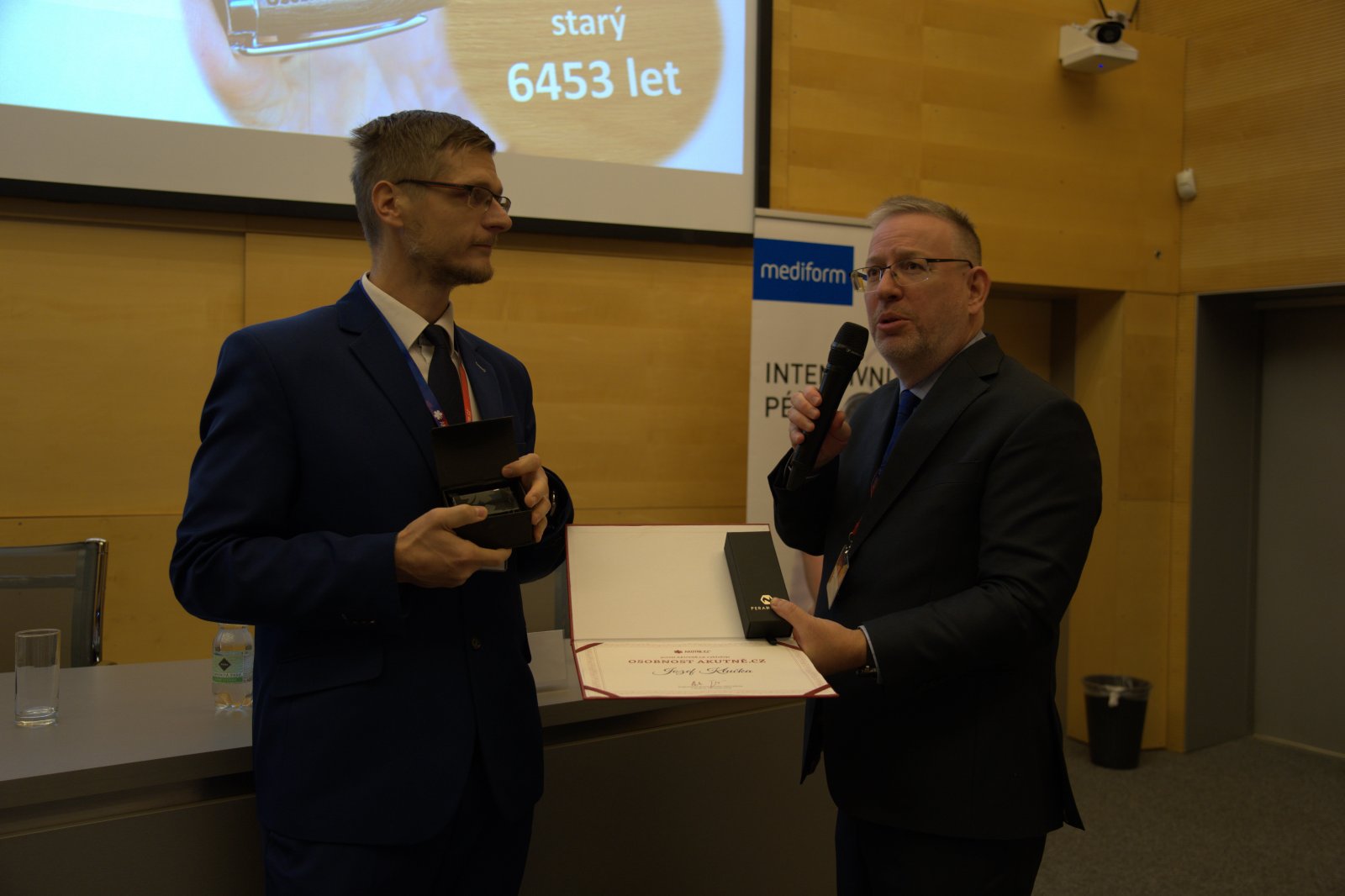
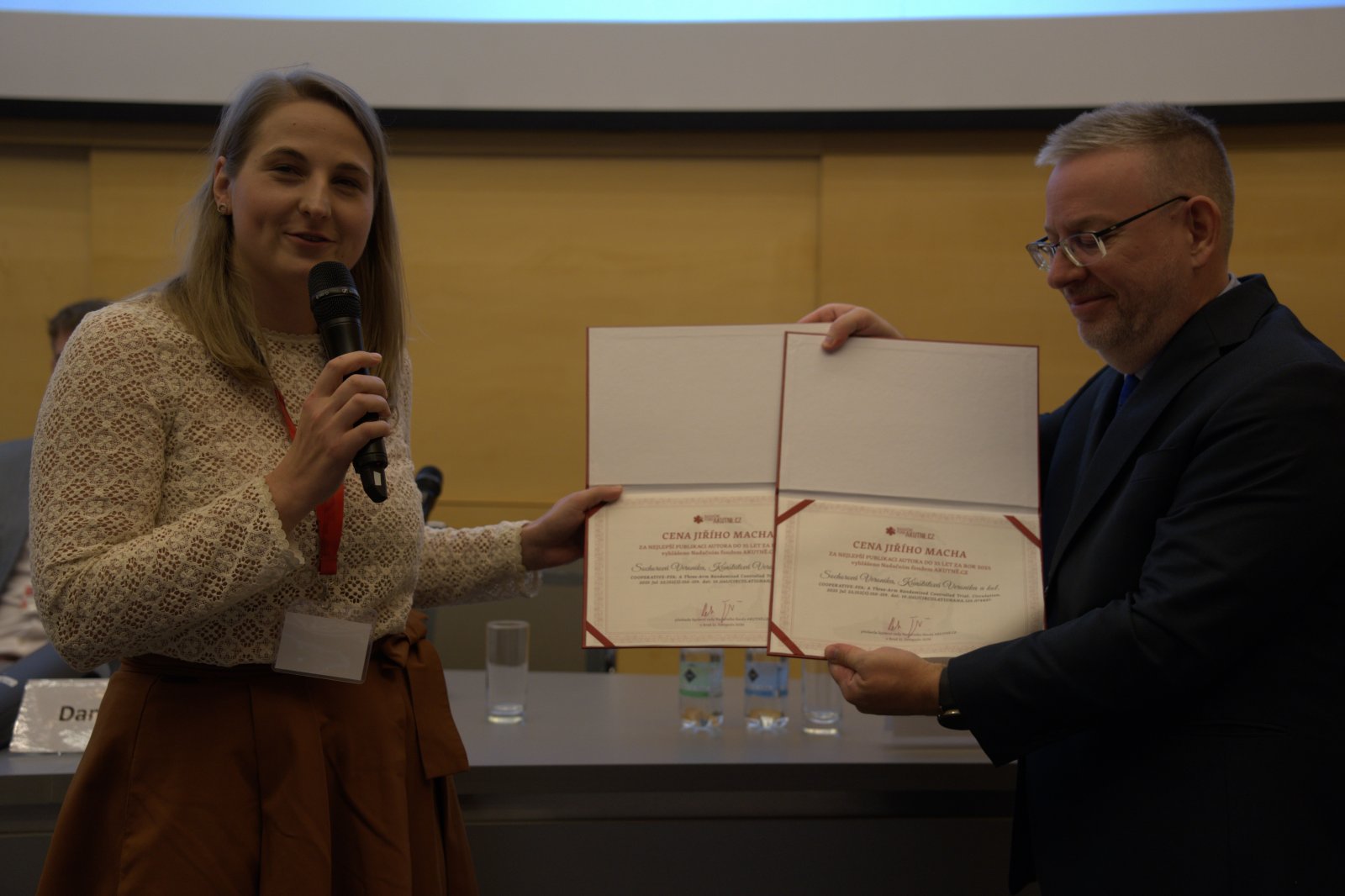
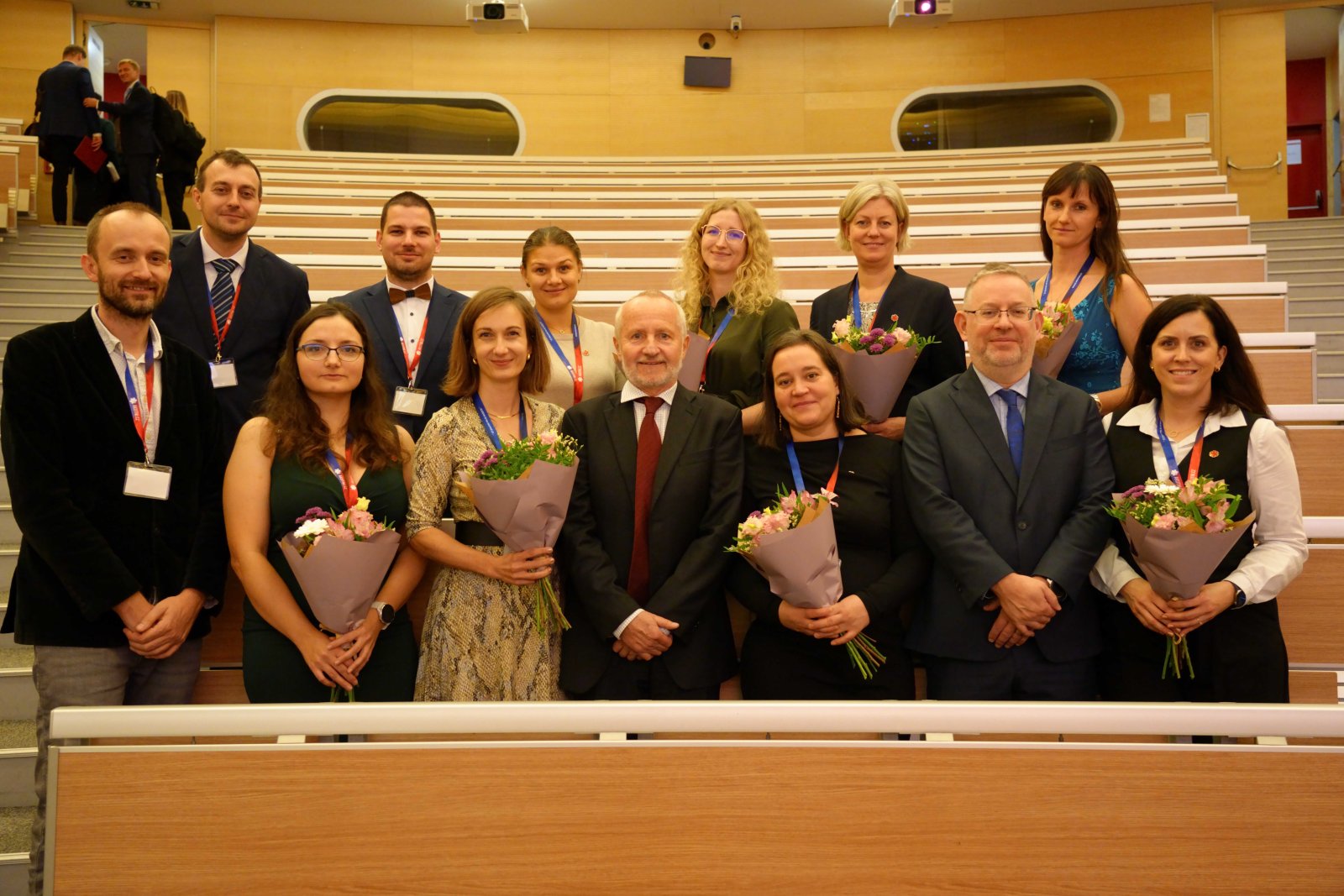
Dr Štourač also brought everyone's attention to the film adaptation of Až na ten konec dobrý (literally "All Good, Except for the Ending"), a book by Pavel Tomeš, the portal's patron; filming is currently under way, partly at SIMU, the Simulation Centre. The programme continued with the awards ceremony honouring distinguished figures and outstanding work. This year's AKUTNĚ.CZ Personality of the Year is Dr Josef Klučka, and the Jiří Mach Award for outstanding research went to Dr Sochorová and Dr Kunstátová. Congratulations to all the winners. To close, prof. Štourač invited everyone to the social evening following this year's 18th conference.
Main Section
Aula B22
08:45–10:00: Varia I
Prof. Beneš (Plzeň) opened the first block as chair and handed over to Dr Klučka, the newly named Personality of the Year. He began with a series of case reports urging the use of evidence-based medicine in practice: for example, the target MAP in a hypertensive patient, ultrasound guidance for venous access, or starting statins even in patients over 70. He also reminded the audience that monitoring of current articles is available on AKUTNĚ.CZ and in the new intensive care medicine journal. He went on to present a selection of publications pointing, for example, to a possible benefit of HES, the use of etomidate in RSI, the individualised use of HFNO and of vasopressors together with fluids, the benefit of inhaled antibiotics in VAP and, last but not least, melatonin at night and coffee for patients as late as 2 hours before surgery. He concluded by recalling that EBM rests on the foundations of medical ethics: beneficence and non-maleficence. He was followed by the newly awarded Dr Sochorová (Prague), who discussed whether remimazolam could replace propofol. She began with the metabolism and pharmacokinetics of remimazolam, whose advantage is a largely organ-independent metabolism. The drug was then compared with propofol and midazolam, highlighting, among other things, its rapid onset, minimal risk of accumulation and low to moderate respiratory depression. Byfavo 20 mg and 50 mg is already on the market; she presented its indications, contraindications and conditions of use, an important one being the availability of flumazenil as its antidote. Rare but serious adverse effects – anaphylaxis, delayed emergence and resedation – were not overlooked either. She also presented a series of studies showing its use in practice and its dosing in general anaesthesia, including doses for children. A significant consideration is its relatively high price compared with propofol: for anaesthesia, an estimated up to 19.5 times higher. The last speaker of the first block was Prof. Beneš (Plzeň), who wittily and practically framed his talk on shock as detailed instructions for assembling furniture. He introduced the topic with a "Saturday Night Fever" case, in which we are woken in the early hours by a polymorbid patient sliding into septic shock. After a brief review of the pathophysiology of shock, Prof. Beneš walked through the 13 steps of his algorithm, highlighting the importance of POCUS (eFAST/RUSH), early vasopressors alongside fluid resuscitation and, of course, treating the cause of shock. He also addressed refractory shock and the use of angiotensin II and methylene blue, or dobutamine when cardiac output is falling.
10:20–11:35: Intensive Care Medicine
Dr Máca (Ostrava) opened the Intensive Care Medicine block with the lecture Acute Respiratory Failure: From Pathophysiology to Practice. He began with a brief recap of pulmonary physiology and pathophysiology, then focused on the mechanisms of impaired gas exchange, placing strong emphasis on the alveolar–arterial gradient. He also presented the ventilatory ratio, which can be calculated at the bedside, and showed the corresponding equation. He explained how to calculate the shunt fraction (Qs/Qt) and concluded by summarising the management of all the disorders discussed.
The alveolar–arterial gradient is the key to understanding the mechanism of impaired gas exchange.
In his lecture New Antidiabetic Drugs (Gliflozins and Semaglutide): What Matters in Intensive Care, Dr Stibor (Baden bei Wien, Austria) focused on the new antidiabetic agents. He described SGLT2 inhibitors and their use in heart failure, where they bring major benefit. He explained what euglycaemic diabetic ketoacidosis is, the risks associated with it and how it is treated. He also mentioned surprising findings after gliflozin use and finally touched briefly on the topic of semaglutide. The last lecture of the block was given by Dr Kula (Ostrava), Dr Baluchová (Milovice) and Dr Kula Jr (Zlín): Does Creatine Have the Ambition to Become Part of Nutritional Support in the Critically Ill? The authors summarised what we currently know about creatine and described the symptoms of its deficiency. They also pointed to the problem of unfinished studies that would demonstrate its effect.
12:35–13:50: Perioperative Care
Dr Hruda (Brno) opened the Perioperative Care block with the lecture Peri-intubation Cardiovascular Collapse. He began by pointing out that serious adverse events during intubation are common, particularly in emergency procedures. Although intubation success rates have improved, up to a third of emergency intubations are still accompanied by a major adverse event. He then briefly summarised the approach to the anatomically difficult airway before moving on to his main topic: the physiologically difficult airway in emergency intubation. Surprisingly, the main cause of complications is not hypoxia but cardiovascular collapse. To identify patients at high risk of collapse in advance, he presented the DAPS and HYPS scores; in his view, the shock index is the most practical one. He also mentioned factors associated with peri-intubation collapse, such as hypotension, hypoxaemia and high BMI. The next part of the lecture covered how to reduce the risk. He emphasised the importance of preoxygenation, its methods and the current recommendations for emergency intubation. He also discussed vasopressors and the choice of drugs, including the combination of propofol and ketamine. Reduced doses are not recommended for emergency intubation. Finally, he mentioned the advantages of awake intubation in the physiologically difficult airway.
Dr Merjavý (Craigavon, Northern Ireland; ESRA) gave a talk on regional anaesthesia in patients at high risk of compartment syndrome. He began by summarising its pathophysiology and risk factors, then moved on to the clinical signs, the "6 Ps", and to the options for measuring compartment pressure and interpreting the values. The only definitive treatment is fasciotomy, so Dr Merjavý discussed in detail the disadvantages and risks of delaying it. The main part of the lecture addressed whether regional anaesthesia might mask compartment syndrome. He presented case reports and studies on the use of regional and epidural anaesthesia in patients with compartment syndrome and their effect on timely diagnosis.
Nerve blocks do not prevent early recognition of compartment syndrome.
Finally, he outlined other analgesic options for patients at risk of this syndrome. The block was closed by Dr Nekvindová (Zlín) with the lecture Factors Influencing the Incidence of Postoperative Delirium. She began by emphasising that surgery itself does not create a predisposition to delirium de novo. She then outlined its pathophysiology, focusing on neuroinflammation, disruption of the gut–brain axis and circadian rhythm disorders. Next, she discussed the effect of anaesthetics on delirium risk, noting that sevoflurane is potentially neurotoxic. The lecture continued with preoperative risk factors; up to 40% of delirium cases are preventable. She listed the demographic risk factors as age over 65, memory and cognitive impairment, BMI, comorbidities, ASA score and frailty, whereas surgery-related factors cannot be modified. Dr Nekvindová also compared general and regional anaesthesia.
According to current meta-analyses, the evidence does not support the superiority of regional over general anaesthesia in preventing delirium.
Postoperative risk factors include immobilisation, pain, benzodiazepines and electrolyte disturbances. She then presented a study on the use of dexmedetomidine to reduce the incidence of postoperative delirium. In conclusion, she stressed that the critical period for delirium prevention is during surgery and in the early postoperative period.
14:10–15:25: Varia II
The final block of the main medical programme was opened by Dr Klincová (Brno) with her lecture Malignant Hyperthermia Up to Date. She began by pointing to the current guidelines, updated this year, and briefly recalled the definition of malignant hyperthermia (MH). The next part addressed diagnosis and the identification of patients who should be investigated further. She emphasised that genetic testing can confirm MH susceptibility but, unlike the in vitro contracture test, can never rule it out. She also described the structure of the MH centre in the Czech Republic, which coordinates diagnosis and care. The lecture continued with practical recommendations on adapting care for patients at risk of MH. Step by step, she covered the preparation and management of both the patient and the department, from preoperative preparation through the conduct of anaesthesia to postoperative care.
"Wherever triggering agents are used, procedures for managing an MH crisis, adapted to local conditions and practices (including available equipment, drugs and relevant communication channels), should always be in place and readily available, together with dantrolene."
She also addressed pregnancy: the fetus of a mother not at risk of MH is itself at risk if the father is susceptible, and this must be taken into account should the mother need general anaesthesia. Regarding MH susceptibility, she also discussed myopathies, explained the differences in management and stressed that not every myopathy is associated with MH.
In the final part of the lecture, she covered the recommended procedures for recognising and treating an acute MH crisis, the options for administering dantrolene and its availability on the Czech market, and follow-up care for the patient.
Dr Gabrhelík (Zlín) then took the floor with his lecture Chronic Postoperative Pain in Orthopaedics: Do We Have a Problem? He first introduced chronic pain in general terms, highlighting its socio-economic aspects. In the Czech Republic, non-malignant musculoskeletal pain ranks first, including as a cause of disability, and major joint surgery accounts for a large share of postoperative pain. He briefly covered the pathophysiology of chronic pain, stressing that our understanding today is markedly different. Stress plays a key role in pain perception, and he also mentioned the influence of the gut microbiome. He then turned to the topic of preventing chronic postoperative pain. He categorised the possible risk factors and emphasised how psychological factors are overlooked. On prevention, he mentioned ongoing studies of intravenous lidocaine. Finally, he discussed screening for psychological risk factors; its implementation, together with a comprehensive multidisciplinary approach, is essential for the best outcome.
Waiting times for major weight-bearing joint surgery are long – let's make use of them.
The last speaker of the block was Prof. Ševčík (Ostrava) with his lecture How to Leave the Stage – and he answered the question straight away: "If only I knew." He returned to a lecture by a US colleague that had strongly influenced his thinking on the subject. One important aspect he mentioned was finding other interests. He stressed the need to think about the end of one's career while one is still able to prepare for the changes, as they bring major socio-economic consequences. He noted the difference between retirement and burnout and briefly discussed strategies for preventing burnout. At the same time, he warned that putting off retirement for too long increases the risk of being unable to enjoy an active retirement for health reasons.
The physiology and biology of ageing cannot be cheated.
He also briefly reflected on the age limits set for some positions, contrasting them with the age of today's world and local political leaders. He ended his lecture with humour, looking at differing views of old age. Above all, the joy must not be lost.
Young Anaesthesiologists and Intensivists Section
B11/132
09:30–11:00: The Anaesthesiologist as…
This block was opened by Prof. Štourač, who handed over to Dr Cieślar (Brno). She presented the role of the Young Anaesthesiologists and Intensivists Section (SMAI) and the benefits it offers its members. Finally, she introduced SMAI's 10th year at the AKUTNĚ.CZ Conference and the topics to be discussed that day.
The block devoted to the many roles of the anaesthesiologist kicked off with Dr Kletečka (Plzeň), who presented the specifics of working in a vascular access team, from the indication for a line through its insertion to its removal. He highlighted the role of nurses and other non-physician healthcare professionals, and the idea of centralising vascular access procedures within hospitals, since cannulation is a highly specific activity with its own pitfalls. A further advantage is patient triage, which should take place as early as hospital admission. These measures lead to higher quality of care, time savings and the prevention of infectious complications. The team's work with DIVA (difficult IV access) patients is another major advantage. He went on to describe the history of the team at the University Hospital Plzeň, as well as the difficulties encountered along the way. Dr Říháková (Brno) focused on the anaesthesiologist as a member of an emergency medical services (EMS) crew. She highlighted the value of operating theatre experience, especially routine airway management skills and crisis management. She also described the raw reality of working in the field and the difficulties of communicating with patients' families, as well as what else an EMS physician should master. The discussion covered communication with patients, advanced training courses and how to prepare practically for work in EMS. Dr Kubricht (Prague) spoke about the management of acute postoperative pain. He took us through its history and the landmark papers on the subject, citing the opioid crisis in the USA and Australia as a cautionary example. He also outlined current trends and, above all, the revised and improved guidelines.
"As few patients passing through hospital as possible should experience pain, and if they do, it should be as tolerable as possible."
He defined the place of the APS (acute pain service) in perioperative care and its benefits for patients and other staff. Towards the end, he shared his personal experience, showed how the specialty has changed over his career and outlined new challenges. Dr Hudec (Brno) closed the block with a presentation on the anaesthesiologist as a member of the multidisciplinary indication committee. He spoke about the roles the anaesthesiologist plays in preoperative care and emphasised risk–benefit assessment. He highlighted the importance of the anaesthesiologist's first encounter with the patient, using the example of rare diseases, and walked us through a case from practice demonstrating the importance of the indication committee. The discussion focused on differences between departments and on interdisciplinary cooperation within the committee.
11:30–13:00: The Anaesthesiologist as an Interdisciplinary Specialist Who Can…
The block was opened by Dr Čundrle (Brno) with the topic Optimising the Frail Patient Before Surgery. He began by noting that frailty is not determined by age alone but primarily by reduced physiological functional reserve. He then explained the difference between optimisation and prehabilitation. Optimisation means correcting known conditions (anaemia, sleep apnoea), whereas prehabilitation means finding a health deficit and targeting it: the patient takes an active part and may come out of the process in better shape than when they entered it. He defined the main pillars of prehabilitation as exercise, nutrition, mental health and smoking. In short, as a practical recommendation:
Walk more, eat more protein, do breathing exercises and don't smoke.
The next topic, Preparing the Anticoagulated or Antiplatelet-Treated Patient for Surgery, was presented by Dr Gumulec (Ostrava). He opened with four key questions every treating physician should think through: the bleeding risk of the procedure, the consequences of stopping therapy, the medication itself and the urgency of the procedure. He emphasised that a high thrombotic risk does not automatically mean bridging with (low-molecular-weight) heparin at a therapeutic dose. Another important point was that drug reversal is no substitute for a safe delay where one is clinically possible. As for andexanet alfa, its primary indication is life-threatening or uncontrollable bleeding at therapeutic levels of factor Xa inhibitors (xabans). PharmDr Papiež (Brno) then presented on chronic medication in perioperative management. She highlighted the importance of patient frailty, the urgency of the procedure and drug interactions with anaesthetics. In the first part, she reminded the audience that good management includes a plan for reintroducing preoperative therapy. In the second part, she discussed problems arising both from stopping important medication – life-threatening decompensation of chronic diseases, rebound phenomenon and withdrawal syndrome – and from not stopping it – euglycaemic ketoacidosis and hypoglycaemia. Finally, she presented drug groups for which there is currently no clear consensus, including the reasons for this. The last lecture, on empathetic communication, was given by Dr Bauerová (Prague). She noted that as anaesthesiologists we are in daily contact with patients facing a sudden life situation who need a sense of safety and predictability. After an introduction to the theory of stress, she moved on to specific recommendations: establishing contact, using short sentences, keeping the patient oriented in what is happening, minimising jargon and allowing small decisions (such as positioning). She summarised the pillars of empathetic care as full attention, inner stability and availability. Finally, she stressed the indispensable role of the voice throughout the whole process of care.
13:15–15:00: Where Can Our Generation Do Better?
Dr Kopecký (Prague) started this block with the lecture TIVA in the Hands of a Young Anaesthesiologist. He set out why TIVA is used in the first place – for example, in patients with MH, as the anaesthetic technique for patients at high risk of PONV, in patients with PND, or for environmental reasons. He distinguished TIVA from TCI and defined TCI as an infusion with a controlled drug concentration calculated for the effect site. The advantage of TCI is that we can determine the concentration at which the patient falls asleep, and therefore also the one at which they wake up. In his view, one should therefore always choose effect-site targeting with the Eleveld model. He also discussed remifentanil and its advantages for TCI. Finally, he described how to deliver TIVA with TCI in practice and presented ten rules for safe TIVA.
Next in the SMAI block was Dr S. Hanuljaková (Bratislava) with the lecture When Depth of Anaesthesia Is More Than Just a Number. She began by summarising the history of depth-of-anaesthesia monitoring and pointed out the limitations of processed indices: these were developed on model patients using only GABAergic anaesthetics without analgesia, so they offer only an approximate number with little deeper informative value. She then turned to the pitfalls of monitoring, identifying excessively deep anaesthesia as the real clinical problem. She therefore presented the principle of DSA (density spectral array) and described typical spectral patterns across age groups and types of anaesthetic.
Also in the SMAI block, Dr Waldauf (Prague) presented Anaesthesiologist 2.0: How Can Modern Technologies Help Us in Our Specialty? He first defined the current and historical understanding of artificial intelligence. He began with systems based on human-defined rules (e.g. MetaVision), which aggregate data into trends and scores but predict nothing. He then turned to machine learning and predictive models, using the example of the Epic system used in the USA, which predicts the onset of sepsis or intraoperative hypotension from monitor and laboratory data. He pointed out that such models often fail in real clinical practice, owing to poorer transferability to different patient populations or to an excessive number of false alarms. He devoted the final part to large language models (LLMs), how they work in practice and their pitfalls, including hallucinations.
The last lecture of the block was given by Dr Slezáčková (Brno): How to Maintain Mental Well-being in Anaesthesiology and Intensive Care Medicine? She presented the risk of poor mental health and exhaustion in anaesthesiology and intensive care medicine – in the USA, for example, the risk of burnout in the specialty reaches up to 60%. In her words, mental well-being is the foundation of mental resilience. She went on to discuss fatigue in its various forms – physical, mental, sensory, emotional, social, creative and existential – and presented specific types of rest suited to each form of fatigue.
Parallel Medical Programme
B11/334
09:00–11:30: MEFANET Education
For the first time, the AKUTNĚ.CZ Conference included an educational symposium of the MEFANET network (in collaboration with the European CHOICE project) on Informed Decision-Making in Medicine: From Data to Patient Education. The block was opened by Dr Schwarz, who introduced the MEFANET educational network. Dr Štourač then welcomed the guests and, drawing on how the AKUTNĚ.CZ educational portal came into being, explained its connection with MEFANET. The entire symposium was held in English.
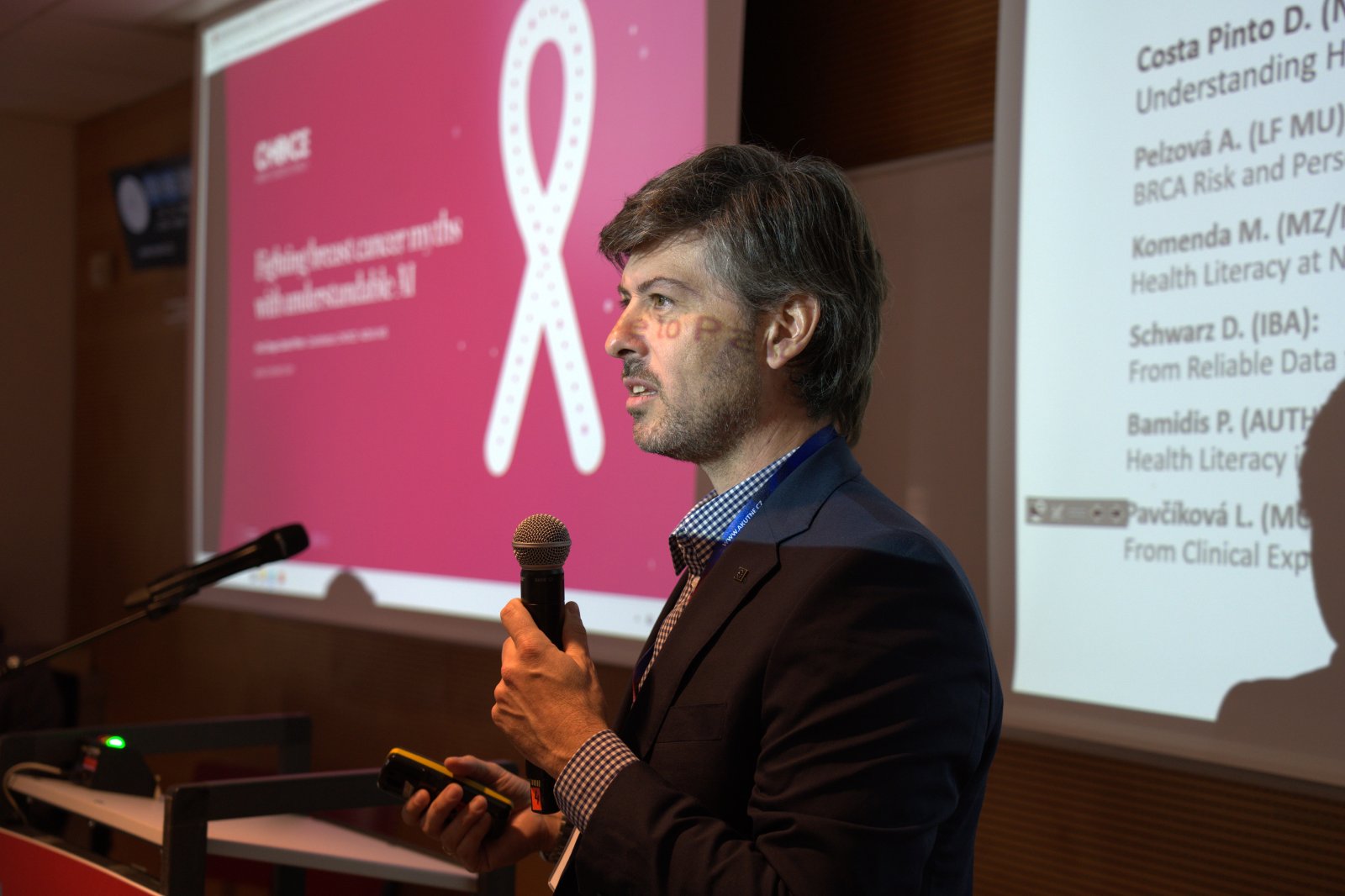
The opening talk was given by Diego Costa Pinto (Lisbon), who, within the ongoing CHOICE project (part of the EU4Health programme), studies how women perceive the risks associated with BRCA1/2 mutations and how, in this context, they make decisions about their health, prevention and medical care. Using data from surveys, interviews and analysis of digital data from the web and social media, he demonstrated how to capture patients' real concerns and translate them into more effective education.
He was followed by Dr Pelzová (Brno), who looked at the decision-making of women with BRCA1/2 mutations from a plastic surgeon's perspective. Preliminary Czech results from the CHOICE project showed that the choice of preventive mastectomy is influenced not only by risk perception, but also by fears about the procedure, body image and reconstruction options. Early discussion of reconstruction options helps meet women's information needs and supports decisions tailored to their situation.
Dr Komenda (Ministry of Health of the Czech Republic, NZIP) spoke about building health literacy at the national level. He described how the National Health Information Portal helps people find verified information, navigate the available medical care and make informed decisions about their own health. He mentioned interactive simulation scenarios that build knowledge of health care in an engaging way. For researchers, he briefly presented the NZIP Synthetic Data System, which mimics the structure and logic of real NZIP registries but contains no personal patient data. Finally, he mentioned that an AI chatbot is also being developed for the portal.
Prof. Schwarz (Institute of Biostatistics and Analyses, Ltd.) used a case study from the CHOICE project to show how reliable data can be turned into high-quality education. He stressed that good educational content – including virtual patient scenarios for students, healthcare professionals and patients – must sensitively combine professional guidelines with women's individual values and concerns, which strongly influence their decisions. He concluded by linking the topic to the outputs of the AKUTNĚ.CZ educational portal, using the example of an interactive algorithm on breaking bad news. Finally, Dr Pavčíková (Brno) introduced the ORBISO platform as a way to help healthcare professionals create verified educational materials where the spoken word in the consulting room is not enough and the internet or artificial intelligence may provide problematic sources. Using the example of education around BRCA mutations, she showed that it makes sense to build on short educational activities and digital guides that bring the patient the right information at the right time.
11:45–13:30: Paediatric Anaesthesia and Intensive Care
The paediatric part of the parallel section was opened by Dr Štourač, who introduced a block packed with distinguished speakers. Dr Klabusayová (Brno) then took the floor with Patient Blood Management. PBM is a multimodal strategy based on screening, diagnosis and treatment of anaemia and coagulopathy, leading to better patient care. Since 2021, the WHO has recommended the routine use of PBM in clinical practice, as it demonstrably reduces mortality, morbidity and costs. Dr Klabusayová divided her lecture into three phases (preoperative, intraoperative and postoperative). We now have a new term, "blood health": we aim to prepare patients for surgery as well as possible. Anaemia is very common in children; early diagnosis, ideally 3–6 weeks before planned surgery, and starting treatment (oral iron) are important. Perioperatively, we focus on optimising blood pressure, normothermia and fluid management to avoid haemodilution. We also try to minimise blood loss and take a restrictive approach to transfusion.
In a haemodynamically stable patient, transfusion should not be given if Hb is above 70 g/l.
However, the patient's clinical condition must always be taken into account. We do not treat numbers, and we make maximum use of viscoelastic methods. Dr Klabusayová then recommended that every department have its own guidelines: a transfusion protocol. Postoperatively, we try to minimise blood loss through judicious ordering of blood tests and to treat anaemia primarily without transfusion. Dr Divák (Ostrava) followed, revealing how to manage paediatric polytrauma. The aim is to recognise the mistakes we make: failures in communication, in team leadership, in calculating doses under stress, and so on. Dr Divák analysed in detail the errors that most often occur in prehospital care, in the emergency department and in the intensive care unit. When caring for a severely injured child, we must also plan for someone to look after the parents – ideally one team member who gives them psychological support while also gathering important information about the child. The recommendation is clear: when caring for a child with polytrauma, always prepare a plan, think drug doses through carefully and know where the patient will go for further care. We repeatedly reassess the patient's clinical status using the ABCD approach and do not fixate on a single diagnosis. Handover must be structured, to a single responsible person and ideally in a quiet environment, so that no essential information is lost. Finally, Dr Divák added that polytrauma in paediatric patients is uncommon, which makes simulation a natural way to practise these skills.
Dr Venglarčík (Banská Bystrica) took over, presenting the use of regional anaesthesia in limb surgery in children. We try to prevent unpleasant experiences and the development of chronic postoperative pain. We should not forget that regional anaesthesia and analgesia techniques are an integral part of multimodal analgesia. Dr Venglarčík then described individual techniques and their use in practice. For anyone wishing to learn more about paediatric regional anaesthesia, he warmly recommended the freely available website Baby Blocks.
ERAS protocols in paediatric perioperative care were presented by Dr Nedomová from Bratislava. ERAS is a comprehensive protocol that changes thinking and practice, with the aim of the safest and highest-quality recovery for the child. Although adult and paediatric ERAS have several things in common, the latter has its own specifics. In children, we aim for shorter fasting times; for example, clear fluids can be allowed up to 1 hour before the procedure. Optimising the child's health should be a matter of course (correcting anaemia, nutritional screening, treating airway infections, and education and psychological support for the child and parents). As for premedication, routinely premedicating all children is not appropriate. Instead, we look at individual needs and should not be afraid to use drugs other than benzodiazepines; dexmedetomidine or ketamine may be beneficial in indicated cases. Thromboprophylaxis is also individualised and should take into account the patient's risk factors (immobilisation, sepsis, thrombophilia or obesity). Multimodal analgesia is an essential part of ERAS: we prefer nerve block techniques and try to avoid opioids. The last speaker of the block was Dr Kenderessy (Banská Bystrica), who discussed the perioperative care of the critically ill child. A critically ill child is defined as a child aged 0 to 18 years and 364 days whose life is in immediate danger due to failing vital functions. We must not forget that these patients are critically ill and very fragile, but fortunately have a great capacity for regeneration. The lecture also covered scoring systems that can help estimate the patient's risk in practice. Our goal is to recognise the child's reserves, dose the burden appropriately, support the return to homeostasis and minimise further harm to the child.
13:45–15:15: Obstetric Anaesthesia and Intensive Care
As is now tradition, the last block of the parallel section was devoted to obstetric anaesthesia. Dr Nosková (Prague) opened it with her lecture "What I Do When I Perforate…". One of the most feared complications after dural puncture is post-dural puncture headache, which prolongs hospital stay and worsens the mother's psychological state. Dr Nosková's view is that
after a perforation, epidural anaesthesia should not be attempted again.
One solution is to insert an intrathecal catheter, which may reduce the risk of post-dural puncture headache; the catheter can then be left in place for up to 24 hours. She also gave dosing recommendations, including off-label use of sufentanil, and stressed the need for closer monitoring of the patient.
Dr Mannová (Havlíčkův Brod) came with the mysterious title "It's Getting Complicated Somehow…". She presented two case reports. The first concerned an elective caesarean section under spinal anaesthesia, where a sharp drop in blood pressure unresponsive to ephedrine occurred after delivery of the baby. This was followed by itching, a rash and facial swelling: it was anaphylactic shock after oxytocin administration. She discussed the difficulty of diagnosing anaphylaxis perioperatively and the differential diagnosis of these symptoms. She also mentioned possible cross-reactivity between oxytocin and latex, naming methylergometrine as the only safe alternative. The second case concerned a pregnant woman with HELLP syndrome scheduled for caesarean section under spinal anaesthesia, which had to be performed under general anaesthesia because of a low platelet count. Using this case, Dr Mannová demonstrated the recommended platelet thresholds for spinal anaesthesia.
"What I Do When Others Wouldn't Do an Epidural or Spinal" was the topic of Dr Bláha (Prague). He listed all the usual contraindications, such as thrombocytopenia, anticoagulant therapy, coagulation disorders, high temperature, elevated CRP and the absence of recent test results, and explained why these contraindications can also be viewed from a different angle. Finally, he discussed the difference between emergency and urgent caesarean section and the anaesthetic options for each.
Dr Bauerová (Prague) followed with tips on what to do when "… the anaesthesia isn't working for the section". She described the options for managing failed anaesthesia: conversion to general anaesthesia and the use of propofol, ketamine, benzodiazepines or opioids, even before delivery of the baby. She also described sex bias against women and the dismissal of their pain as hysteria. Finally, she introduced the audience to the Císařovna project (a play on the Czech words for "empress" and "caesarean"), which educates the public about caesarean sections.
The block was closed by Dr Seidlová (Brno) on what to do "… when blood loss after delivery keeps increasing…". She presented the case of a woman after delivery scheduled for manual removal of the placenta, in which she
stressed the importance of giving calcium, especially after prolonged labour.
She also emphasised the importance of thinking about all the factors – pH, temperature, restoring circulating volume, tranexamic acid, fibrinogen, transfusion and circulatory support – as well as monitoring uterine contraction and uterotonics, which are often forgotten.
B11/234
13:00–15:00: Life-Saving Procedures – HOW TO DO THEM BEST?
The Life-Saving Procedures block was opened by Dr Horejsek (Prague) with airway management, emphasising the importance of predicting a difficult airway using the Mallampati score, the Upper Lip Bite Test, the LEMON score or MACOCHA. If complications arise during airway management, the DAM algorithm should be followed and ventilation confirmed by capnography. He also pointed out the importance of high-quality preoxygenation during airway management. Dr Otáhal added the importance of videolaryngoscopy for securing the airway. Dr Mixa (Prague) and Dr Smolek (Prague) continued with the use of supraglottic airway devices. They began by presenting the different generations of laryngeal masks, with their advantages and disadvantages, such as insufficient protection of the airway against aspiration or regurgitation and the risk of malposition. They also emphasised the correct insertion technique and the possible use of an LMA in an unexpected difficult airway, and presented a demonstration of videoscopic intubation through an LMA. Dr Brožek (Prague) opened his lecture on fibreoptic intubation with the case of a patient with a tumour of the epiglottis, demonstrating the practical use of the method. He followed with examples of patients for whom fibreoptic intubation is suitable given the risks. He then presented the recommended approach to awake intubation: in particular, careful patient selection, alternative airway techniques at the ready, good oxygenation and adequate local anaesthesia. The lecture ended with a video demonstration of fibreoptic intubation. It was followed by Dr Otáhal (Prague) on infraglottic airway access, who spoke about the algorithm for the unexpected difficult airway and the option of using BACT. He stressed prevention through good positioning, the BURP manoeuvre, a bougie, the VICE grip and, where needed, calling for help early. He then turned to scalpel cricothyroidotomy and pointed out several common mistakes in performing the recommended procedure, such as choosing the wrong tube size or rotating the scalpel to create the tract. Besides scalpel cricothyroidotomy, he presented the Ventrain technique and needle cricothyroidotomy kits, and finished with a video of the correct BACT technique. The block was closed by Dr Klabusayová (Brno) on airway management in paediatric patients. She described its specifics, such as the different anatomy and physiology of children and healthcare professionals' more limited experience in this area. She stressed the higher incidence of airway management complications in children, such as post-extubation cough, desaturation or injuries to the oral cavity.
Poster Section: Medically Challenging Cases
This year's poster section brought a record nine presentations. Most of them were case reports from anaesthesiology, emergency medicine and intensive care medicine, showing just how challenging clinical practice can be.
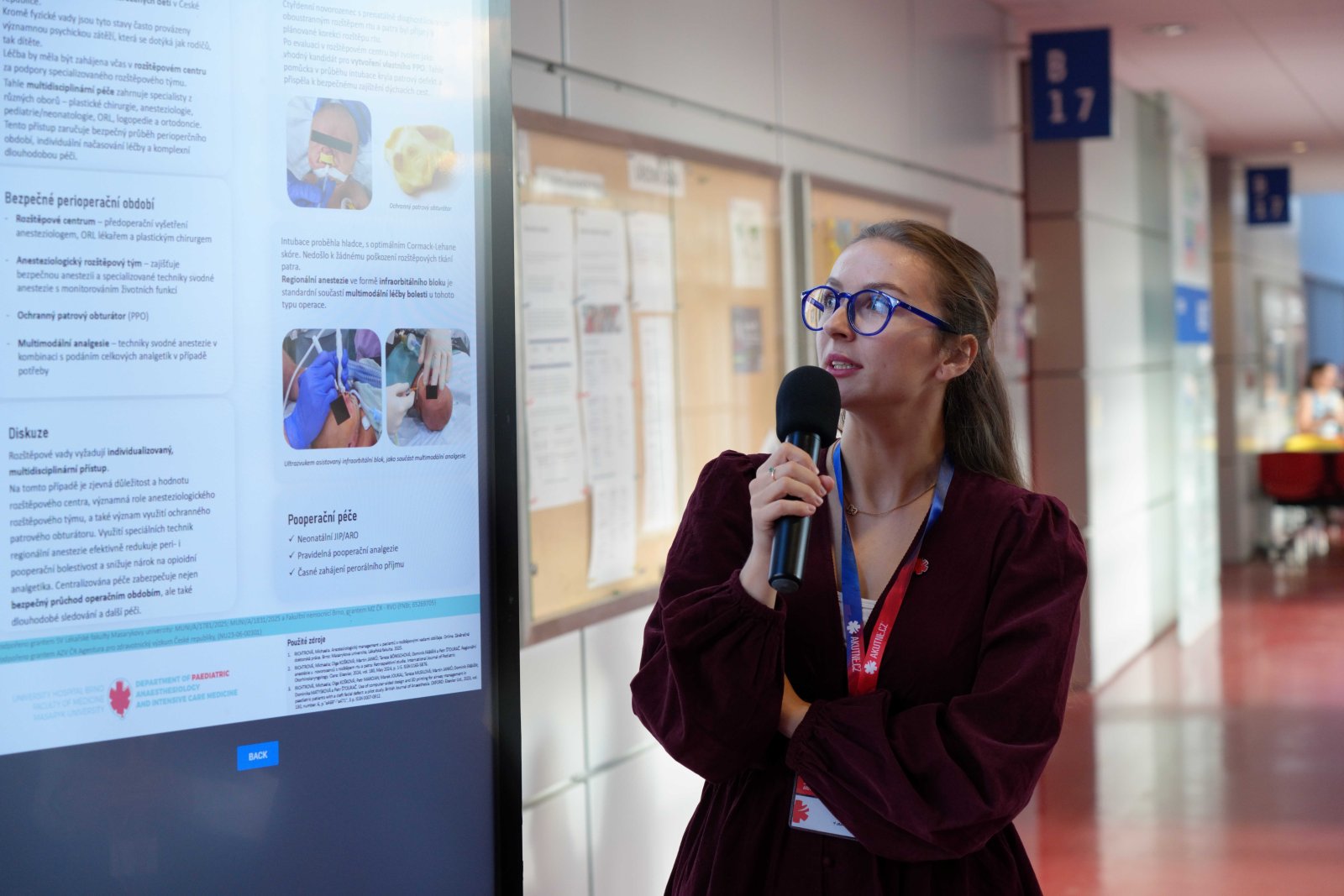
The section was opened by Dr Netri (Ostrava) with the case report Post-cardiotomy Failure: From Biventricular Failure Through "White Lung" to Rehabilitation. Next came Dr Ehnová (Olomouc) with Awake Tracheal Intubation for Double-Lumen Tube Placement: A Challenging Encounter Between the Difficult Airway and Thoracic Surgery. The following case report addressed what to do when propofol is "contraindicated": Dr Barvík (Brno) presented the case of a 16-year-old boy with a peanut allergy scheduled for scoliosis surgery. Dr Šoltysová (Brno) took us into paediatric anaesthesia, focusing on multidisciplinary care for patients with cleft lip and palate, one of the most common congenital anomalies. Dr Kořínková (Brno) continued the paediatric theme with the case of an 11-year-old cyclist hit by a car; a CT scan revealed a three-centimetre tracheal rupture with pneumomediastinum and emphysema. Dr Tamási then presented a rare but serious condition: negative-pressure pulmonary oedema. Dr Barnovský (Plzeň) followed on the theme of airway-related complications with the case report An Unexpected Trace of Intubation: a routine procedure can leave an unexpected trace – in this case, tracheal perforation, subcutaneous emphysema and pneumomediastinum. Dr Balaštík focused his case report on a situation in which an allergy recorded in the patient's notes does not mean a contraindication to regional anaesthesia. The section was closed by the poster of Dr Kramplová, Dr Harazim and Dr Havránková (Brno), Lung Injury Mimicking Blast Syndrome in Blunt Chest Trauma.
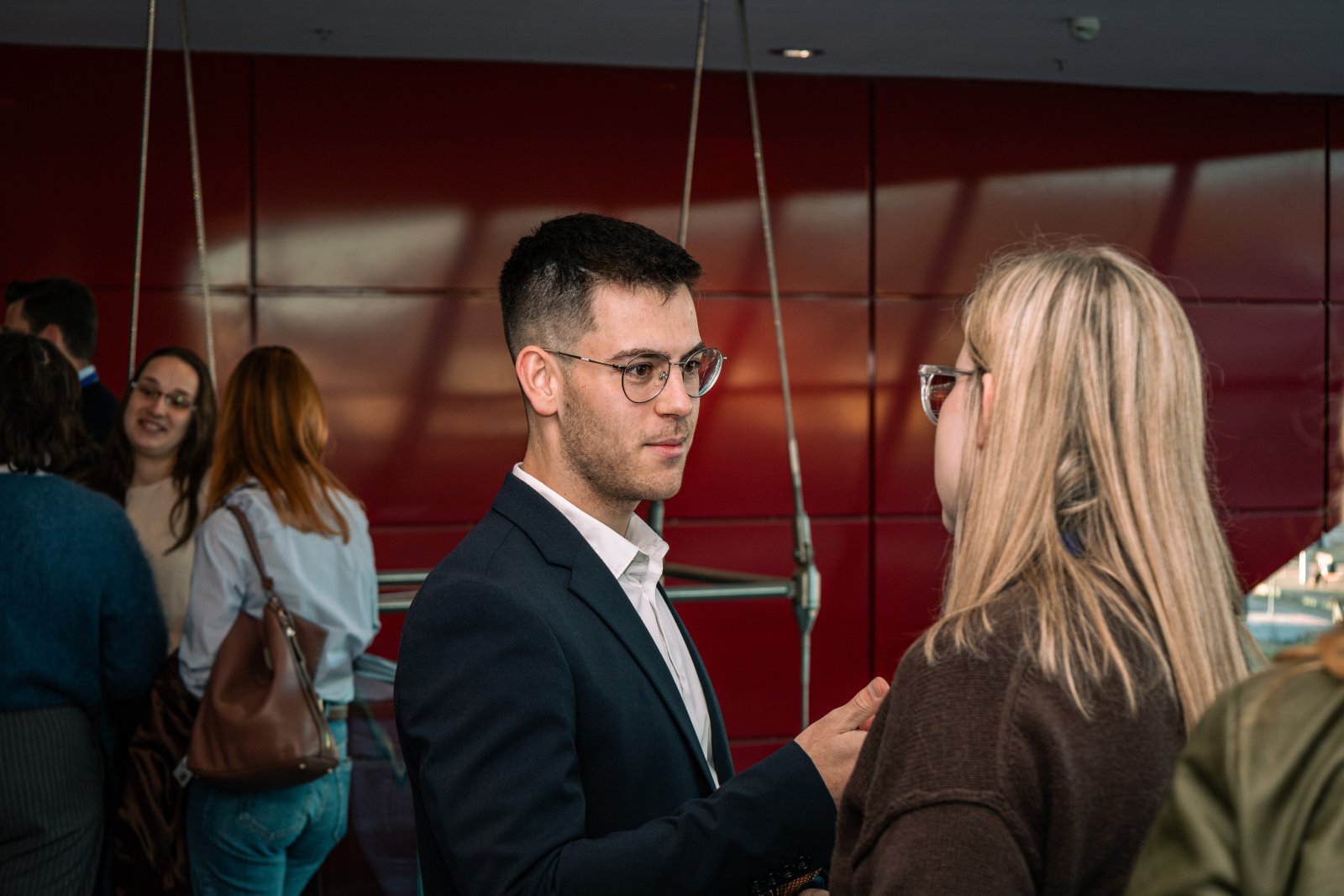
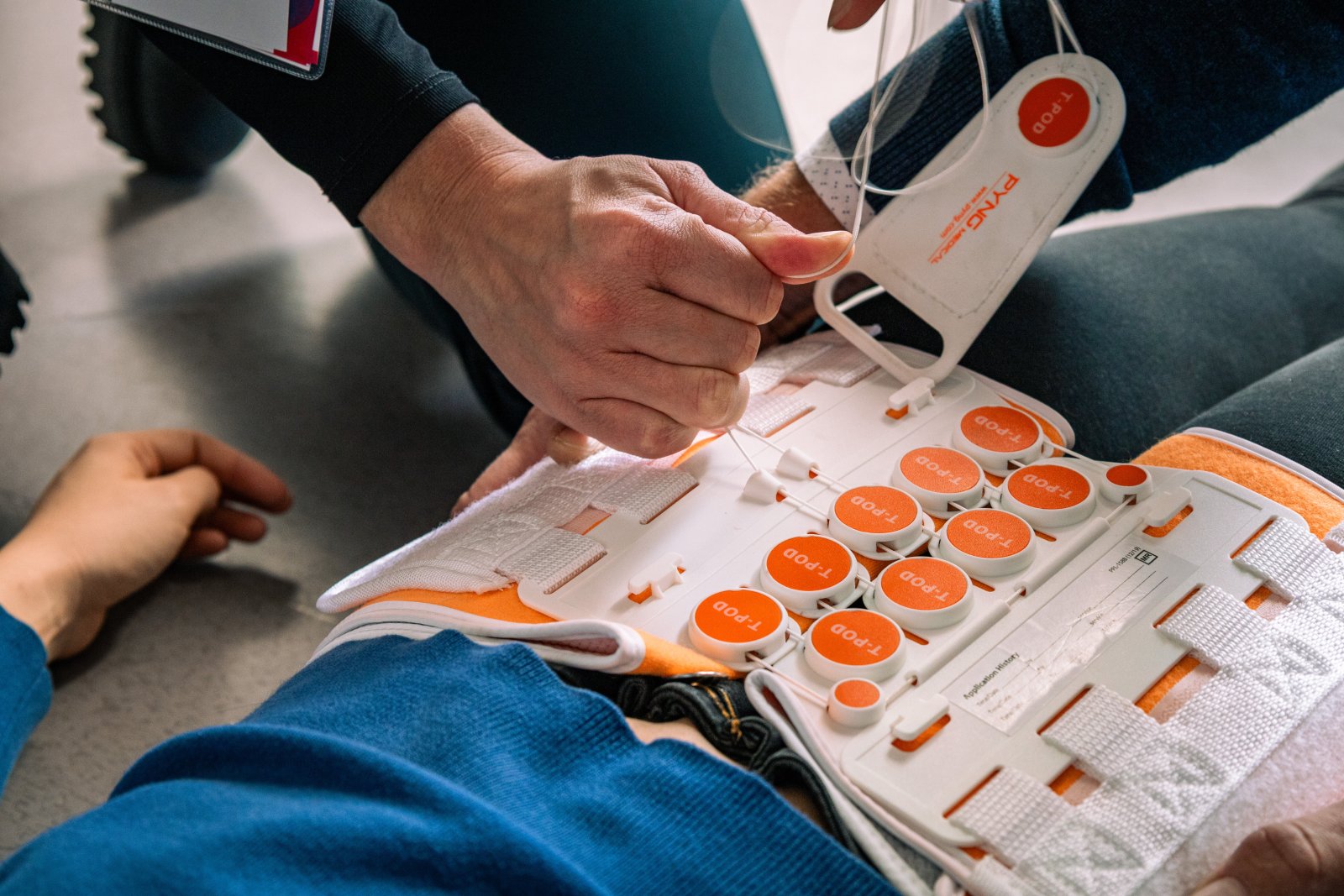
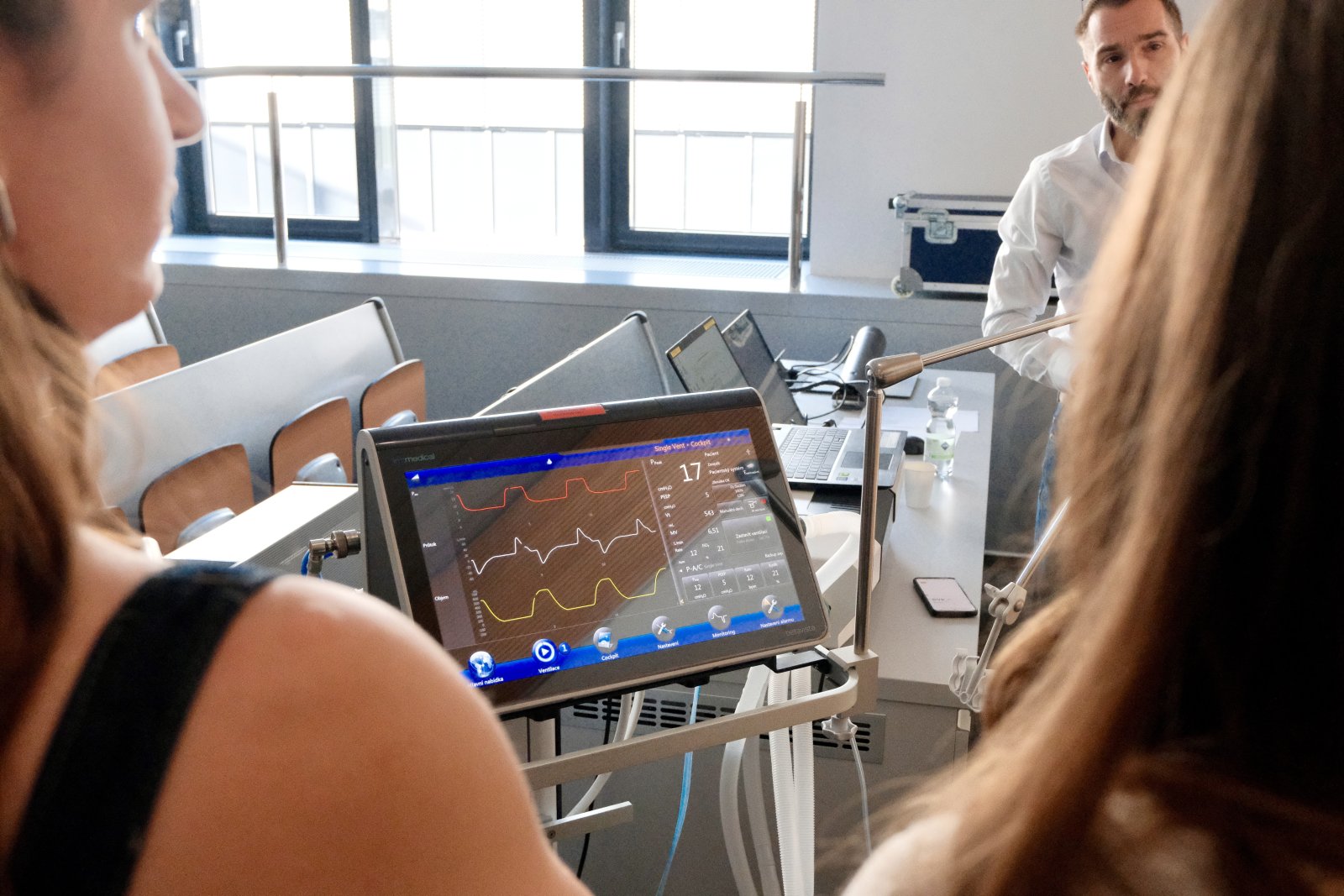
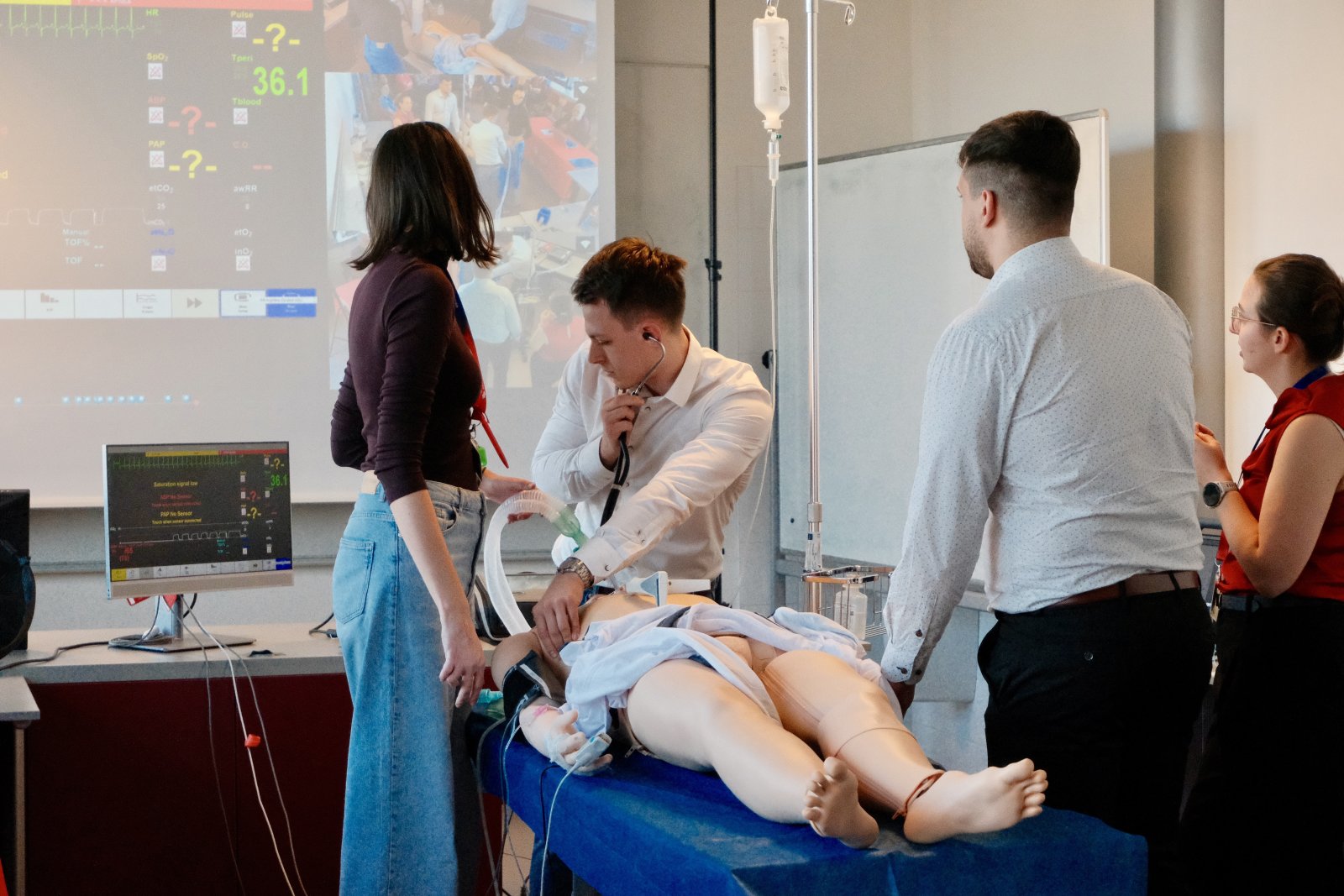
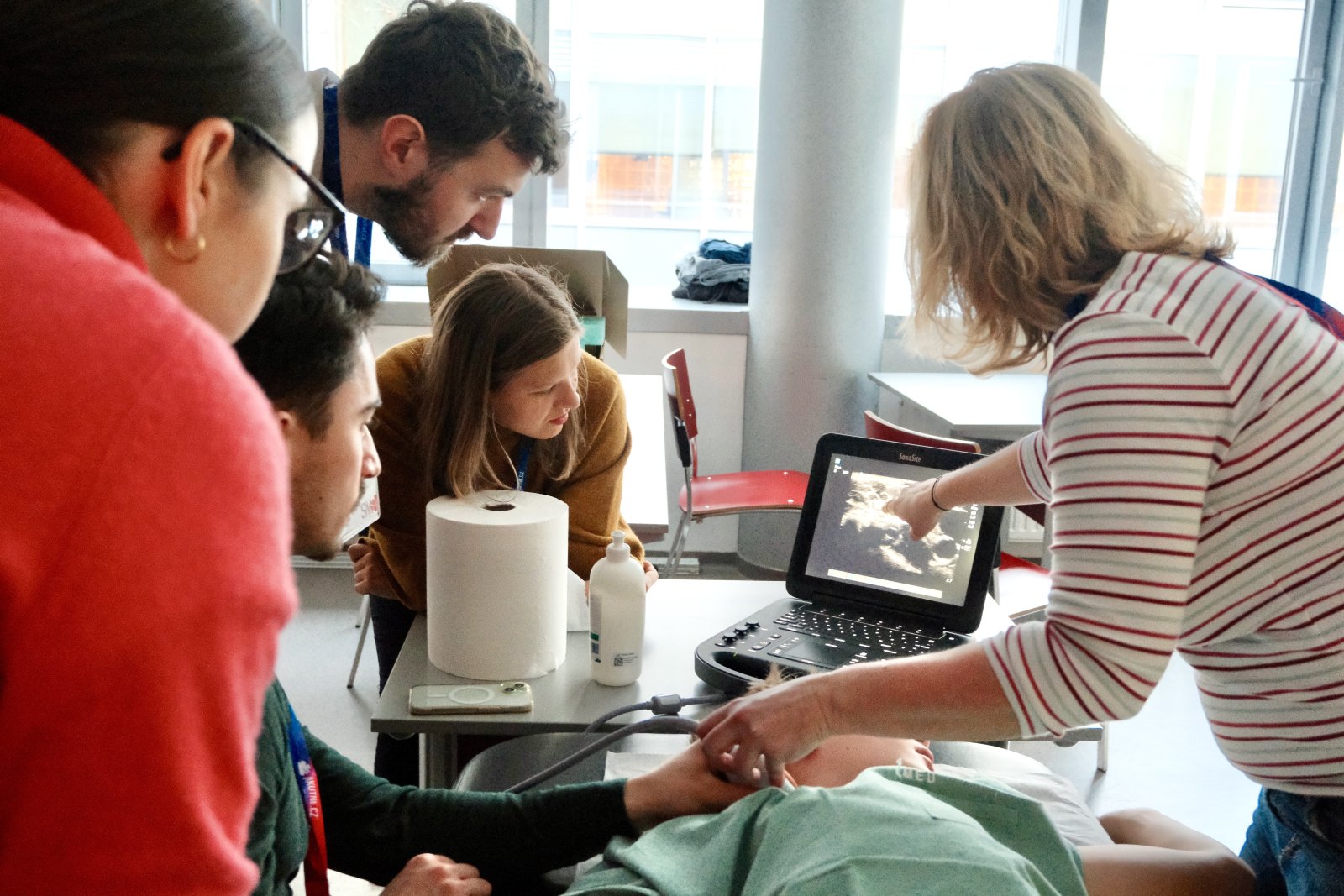
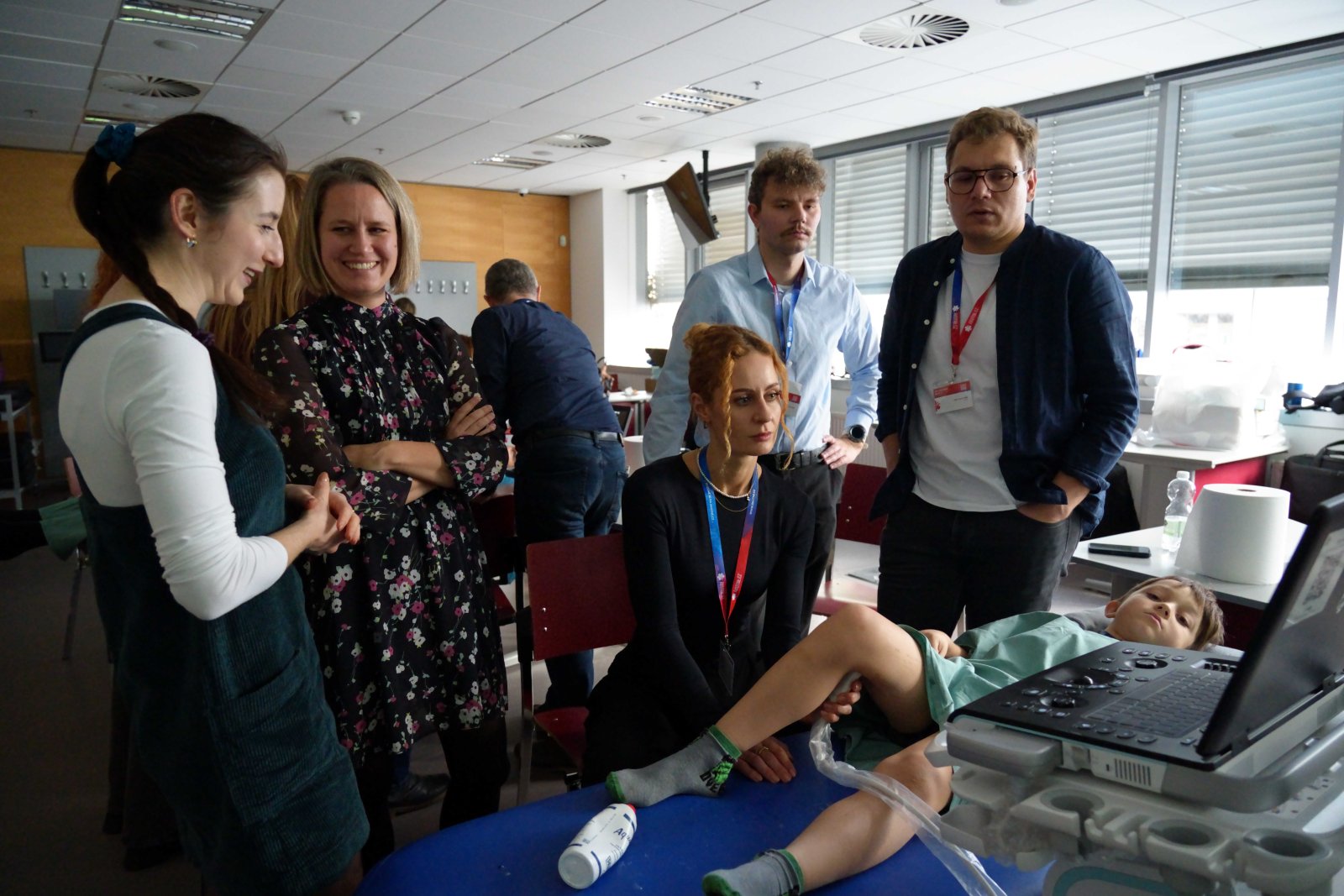
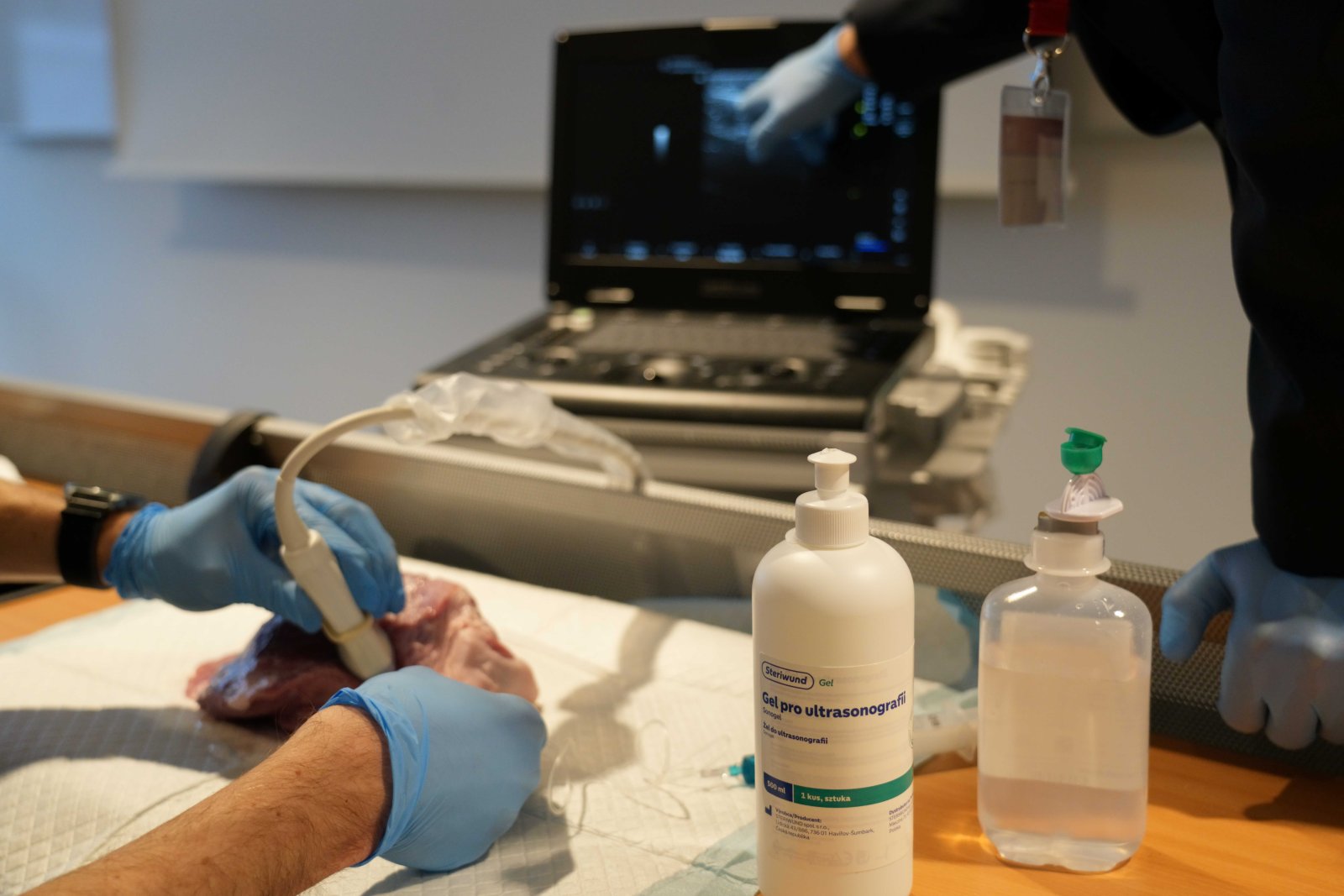
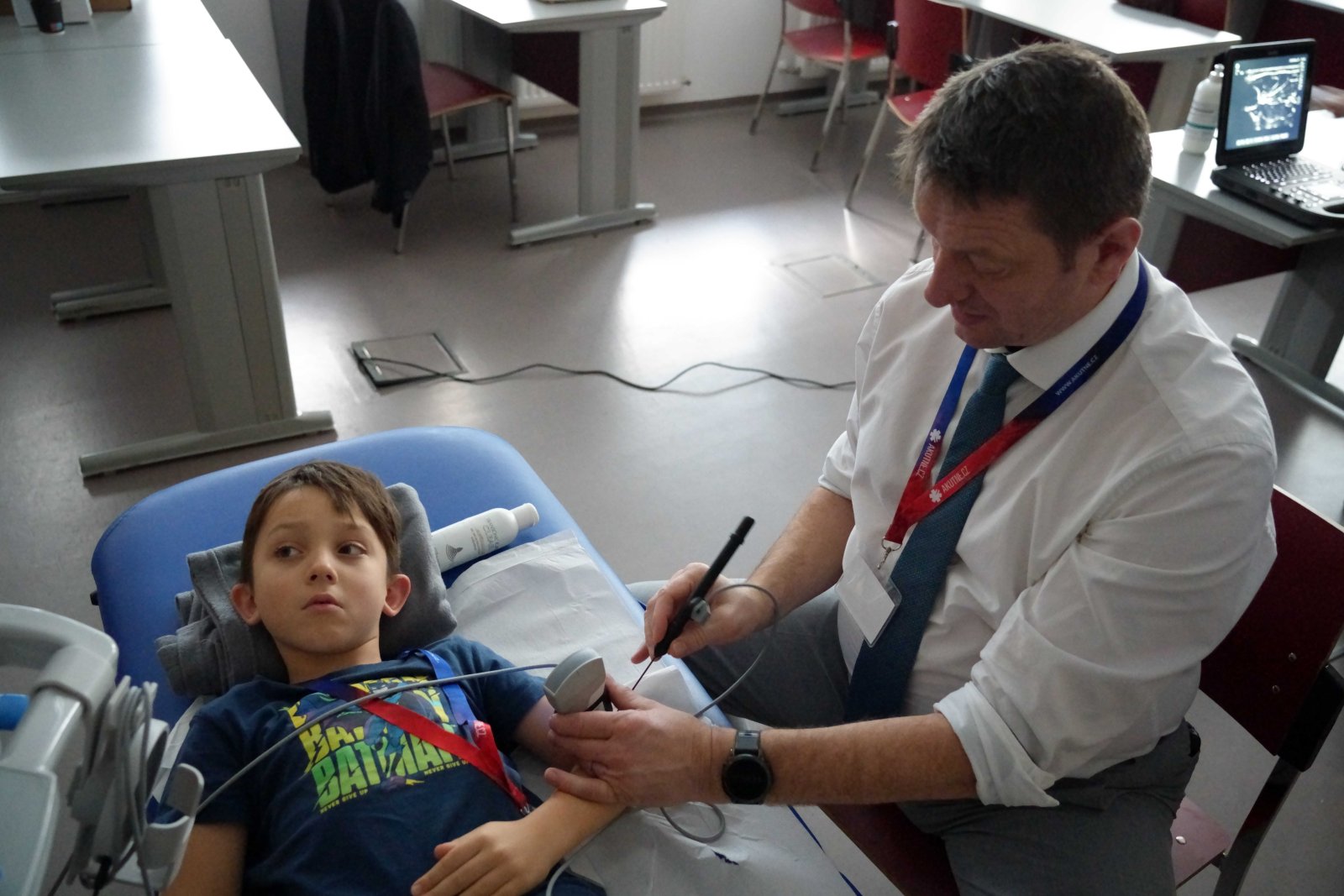
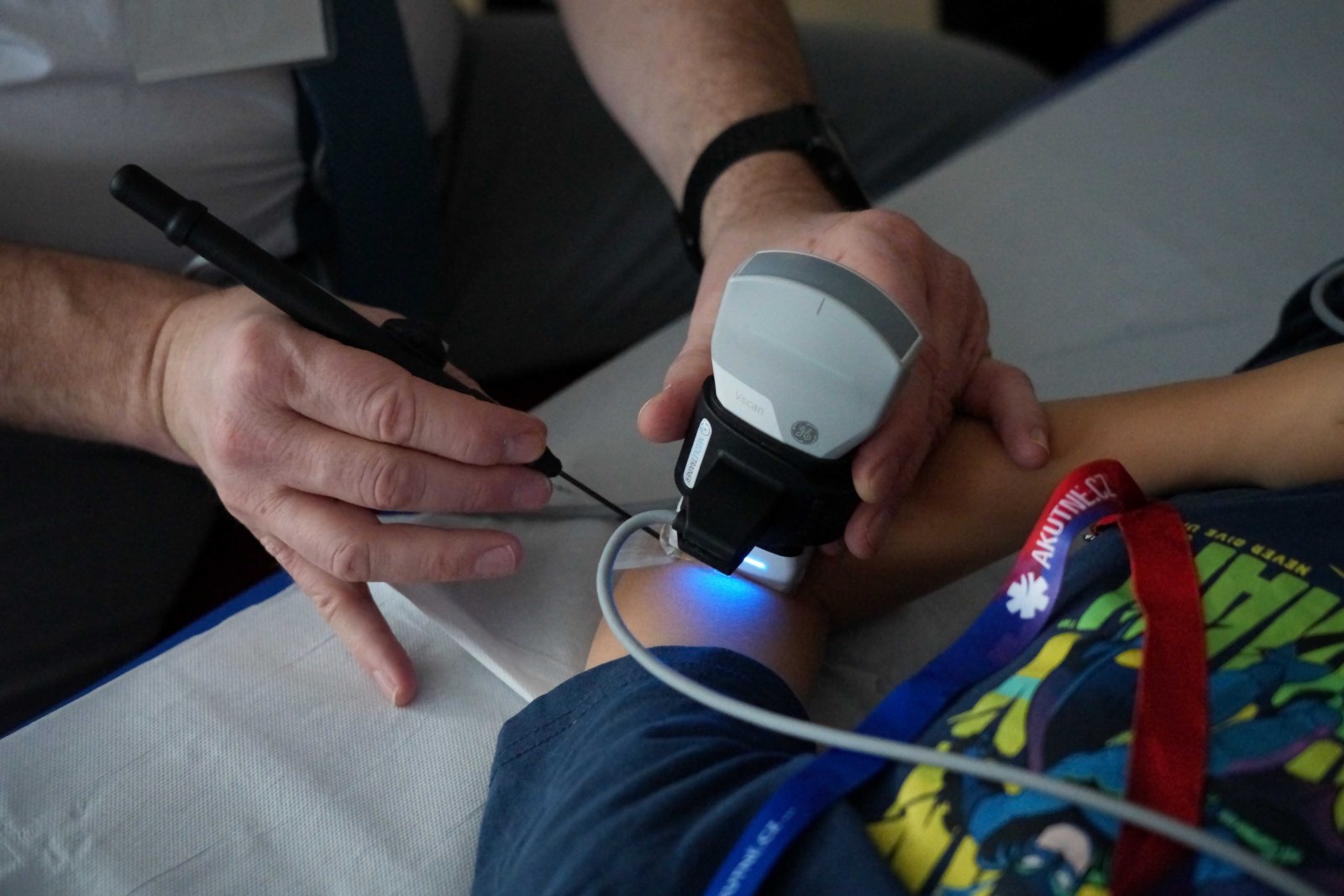
As every year, the AKUTNĚ.CZ Conference would not have been complete without workshops. Under the guidance of experienced instructors, participants could work through a total of 29 stations. Once again, the workshops were fully booked the moment registration opened.
Closing Ceremony
In closing, Dr Štourač took the floor and briefly reviewed the 18th AKUTNĚ.CZ Conference. He thanked everyone involved, the professional societies and the partners, and invited everyone to continue the day at the social evening in the Market Hall on Zelný trh. In his speech, he also mentioned the commemorative plaque being created to mark the anniversary of the first ether anaesthesia in the Czech lands, administered by Dr Augustin Göttinger, and invited everyone to its unveiling on 4 February 2027 at St Anne's University Hospital Brno, where Dr Göttinger worked.
He then handed over to the jury of this year's poster section, which was exceptionally strong. The quality of the posters was so high that choosing the winners was far from easy. With an equal number of points, first place was shared by Dr Ehnová and Dr Lukeš.
As is tradition, Dr Štourač also shared the numbers behind the conference: 1,520 registered participants, 62 lectures, 29 workshops, 18 posters, 91 volunteer organisers and 73 speakers. We got through 20 kg of coffee, 480 baguettes, 1,440 slices of frgál (a traditional Wallachian pie, cut into eighths) and 1,700 open sandwiches.
This year's conference can boast record attendance: 1,278 participants joined us in Brno in person. Thank you all very much for your support.
Finally, as is tradition, the closing belonged to personal thanks to all the organisers, without whose work this conference could not have taken place.
… we’ll meet at AKUTNĚ.CZ