Anesthesia in laparoscopic surgery
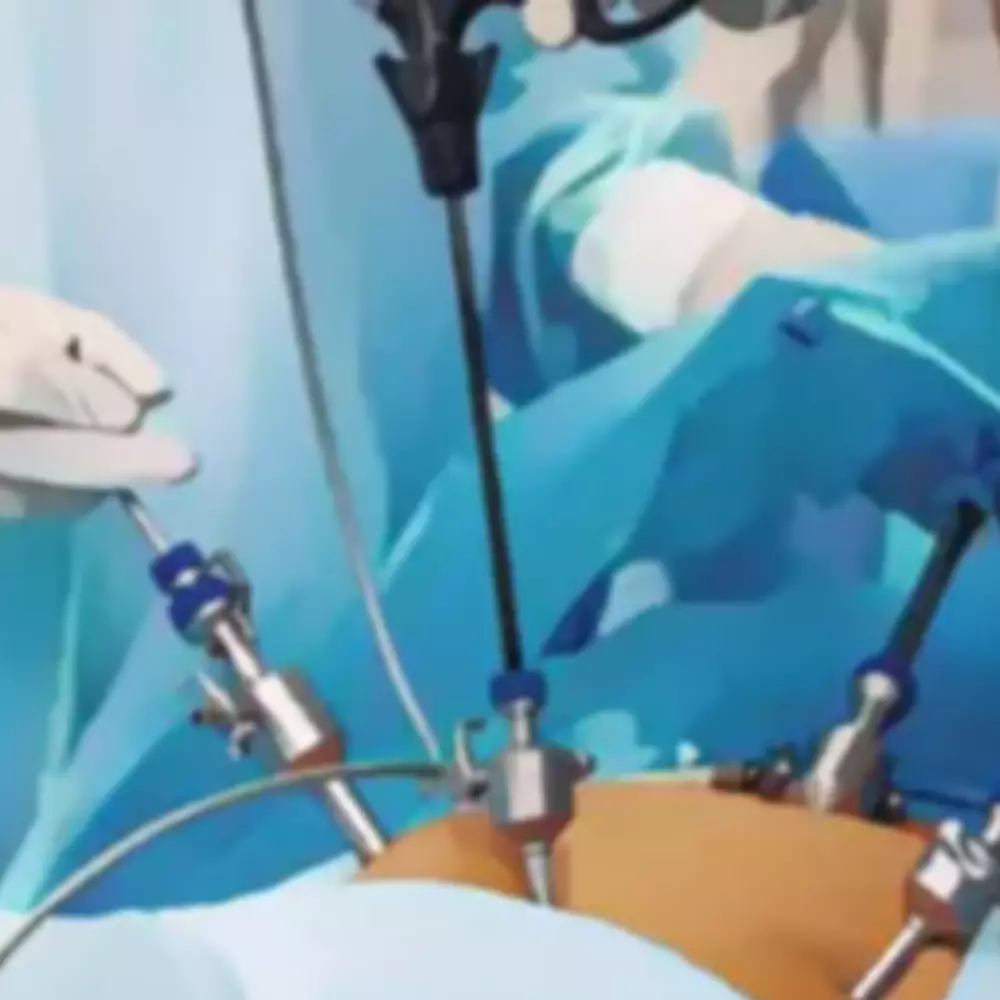
Laparoscopic procedures are characterized by specific changes in hemodynamic and ventilatory parameters, primarily due to induction of capnoperitoneum. From the anesthesiologist’s perspective, it is essential to anticipate these physiological alterations in order to respond appropriately and prevent potential intraoperative complications.
Review

From an anesthesiologist's perspective, all surgical procedures performed in the presence of capnoperitoneum present a certain challenge. The insufflation of carbon dioxide into the abdominal cavity significantly affects both the respiratory and cardiovascular systems, beyond the changes induced by anesthesia itself. A thorough understanding of the physiological changes occurring during surgery is essential for the proper management of anesthesia.
Using a model example of a "routine" laparoscopic surgery, the presented algorithm describes the fundamental aspects and key moments of providing anesthesiological care. The algorithm is intentionally simplified and refers to a patient without significant comorbidities in order to emphasize the functional changes that—albeit to varying degrees—occur in all patients and to which the anesthesiologist must respond adequately.
Given that laparoscopic procedures are typically among the first surgeries a novice anesthesiologist encounters in practice, mastering this algorithm should be a part of the core theoretical preparation before providing anesthesiological care for procedures of this type.
Sources
MICHÁLEK, Pavel, Tomáš VYMAZAL and Olga KLEMENTOVÁ. Anesteziologie (nejen) k atestaci. Prague: Grada Publishing, 2021. ISBN 978-80-271-1230-2
LARSEN, Reinhard, Iris HALLBAUM and Ina PICHLMAYR. Anesteziologie: praktická příručka. Translated by Jarmila DRÁBKOVÁ. 2nd edition. Prague: Grada Publishing, 2004. ISBN 80-247-0478-6
HAYDEN, P. and S. COWMAN. Anaesthesia for laparoscopic surgery. Continuing Education in Anaesthesia, Critical Care and Pain. 2011, vol. 11, no. 5, pp. 177–180. DOI: 10.1093/bjaceaccp/mkr027.
JOSHI, Girish P. Anesthesia for laparoscopic and abdominal robotic surgery in adults. In: JONES, Stephanie B., ed. UpToDate [online]. Waltham (MA): UpToDate, 2025 [cited 2026-01-19]. Available from: https://www.uptodate.com/
Learning targets
2. The student knows the specifics of pathophysiological changes in laparoscopic abdominal surgery.
3. The student will recognize the most common complications in these types of operations and will be able to react to them adequately.
Key points
2. Introduction of a capnoperitoneum leads to changes in the CO2 content of exhaled air and arterial blood.
Related algorithms
External links
HRICOVÁ, Henrieta; KOŘÍNKOVÁ, Bianka; HOLEK, Jiří a HORNIAKOVÁ, Barbora. Nervosvalová monitorace - 2025. Online. In: . 2025, s. 10. ISSN ISSN 1803‑179X. Available at: https://www.akutne.cz/algorithm/cs/594-nervosvalova-monitorace-2025/. [cit. 2026-10-19].