Anesthesia in premature infants
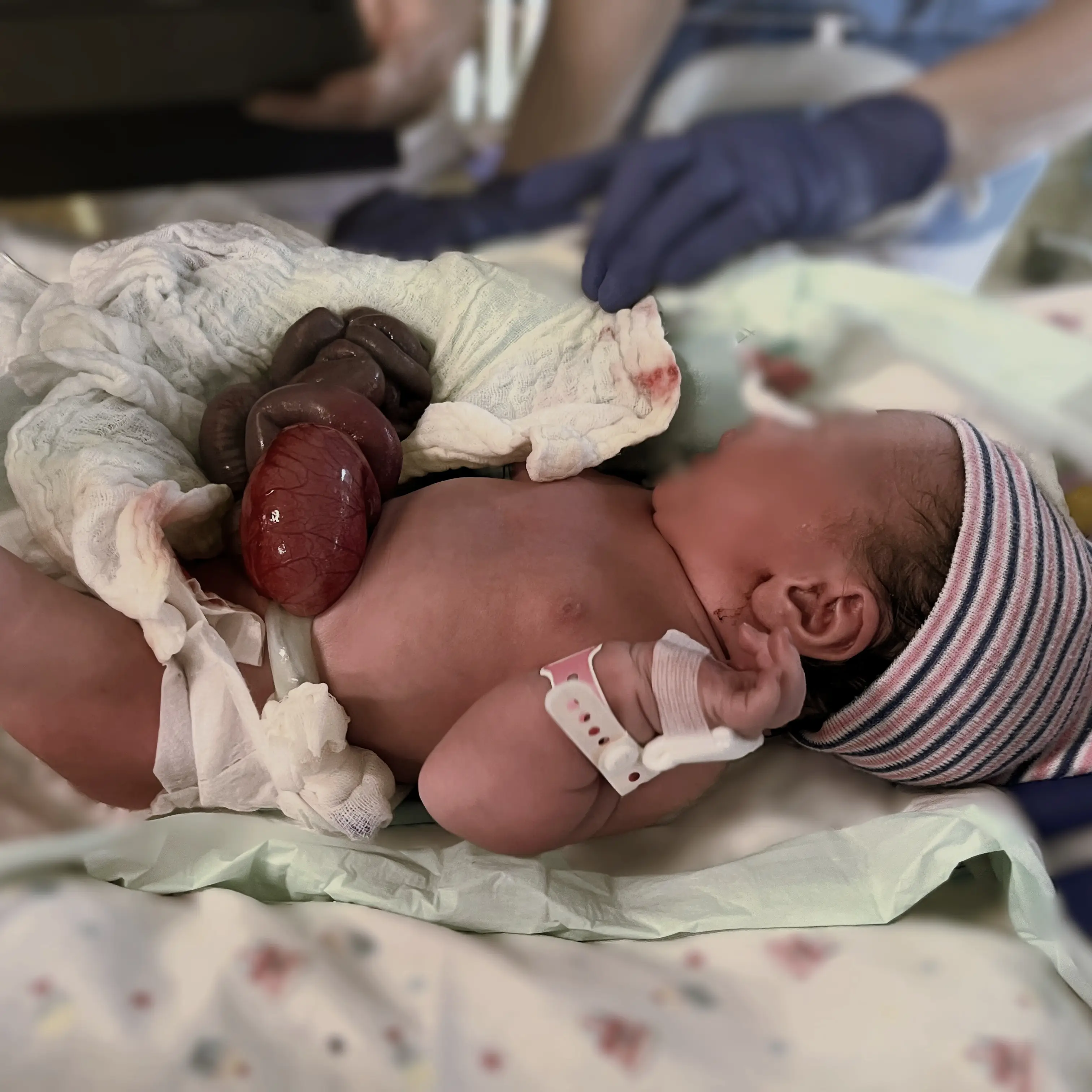
Anesthesia in premature infants is a much greater challenge than in full-term newborns, mainly because of the immaturity of their metabolism and organ systems. This significantly affects the pharmacokinetics and pharmacodynamics of anesthetic drugs. Underdeveloped lungs, caused by a lack of endogenous surfactant, together with a reduced functional residual capacity, increase the risk of hypoxemia, ventilator-induced lung injury, and reversal of fetal circulation. Last but not least, thermomanagement is essential. This interactive algorithm guides the solver through the comprehensive care of a preterm newborn from the anesthesiologist’s perspective — from preoperative preparation, through anesthesia management and perioperative complication handling, to the safe handover of the patient to the destination unit.
Review

The “Anesthesia in Preterm Infants” algorithm is a very well-prepared and clinically highly valuable educational resource. I particularly appreciate its high level of expertise, clarity, and emphasis on practical clinical reasoning in the perioperative management of patients.
I view positively the emphasis on the physiological specifics of a preterm newborn with gastroschisis, the importance of temperature management, protective ventilation, and minimizing dead space. The practical treatment of perioperative complications and possible solutions is also beneficial.
A strength of the algorithm is that it does not merely guide the user toward mechanically selecting the correct answers but promotes an understanding of pathophysiology and the development of clinical reasoning. I consider this aspect to be particularly valuable, especially in the education of young anesthesiologists and physicians in training.
I consider the algorithm to be an exceptional educational resource with high practical and didactic value, which can make a significant contribution to education in the field of pediatric anesthesia.
Sources
MIXA, Vladimír. Dětská anestezie. Aeskulap. Praha: Mladá fronta, 2019. ISBN 978-80-204-5053-1.
RICHARD A. POLIN; STEVEN H. ABMAN; WILLIAM W. FOX a ABMAN, Steven. Fetal and neonatal physiology. Philadelphia, Pa: Elsevier Health Sciences, 2011. ISBN 9780721696546.
HARRY J. M. LEMMENS; DONALD P. BERNSTEIN a JAY B. BRODSKY. Estimating Blood Volume in Obese and Morbidly Obese Patients. Online. Obesity Surgery. 2006, vol. 16, no. 6, s. 773-776. ISSN 0960-8923. Dostupné z: https://doi.org/10.1381/096089206777346673. [cit. 2026-03-23]
CASELLA, J.; PERRY, M. EMS Tactical Paramedic Lethal Triad. In: StatPearls [online]. Treasure Island (FL): StatPearls Publishing, 2026– [cit. 2026-03-23]. Dostupné z: https://www.ncbi.nlm.nih.gov/books/
BROWN, M. K.; DIBLASI, R. M. Mechanical ventilation of the premature neonate. Respiratory Care. 2011, roč. 56, č. 9, s. 1298–1313. DOI: 10.4187/respcare.01429.
SCHULZKE, Sven M. and STOECKLIN, Benjamin. Update on ventilatory management of extremely preterm infants—A Neonatal Intensive Care Unit perspective. Online. Pediatric Anesthesia. 2021, vol. 32, no. 2, s. 363-371. ISSN 1155-5645. Dostupné z: https://doi.org/10.1111/pan.14369. [cit. 2026-03-23].
Learning targets
2. The student is able to provide appropriate temperature management for a premature infant in the operating room.
3. The student knows the correct approach to airway management in a premature newborn.
4. The student understands the importance of fetal circulation for the anesthesiologist.
Key points
2. In premature infants, full temperature management is essential, including an operating room temperature of about 25 °C.
3. Reversal of fetal circulation is a life-threatening condition causing severe hypoxemia and hypercapnia, requiring adequate oxygenation and symptomatic treatment.